





Introduction to Vegetable Pasta
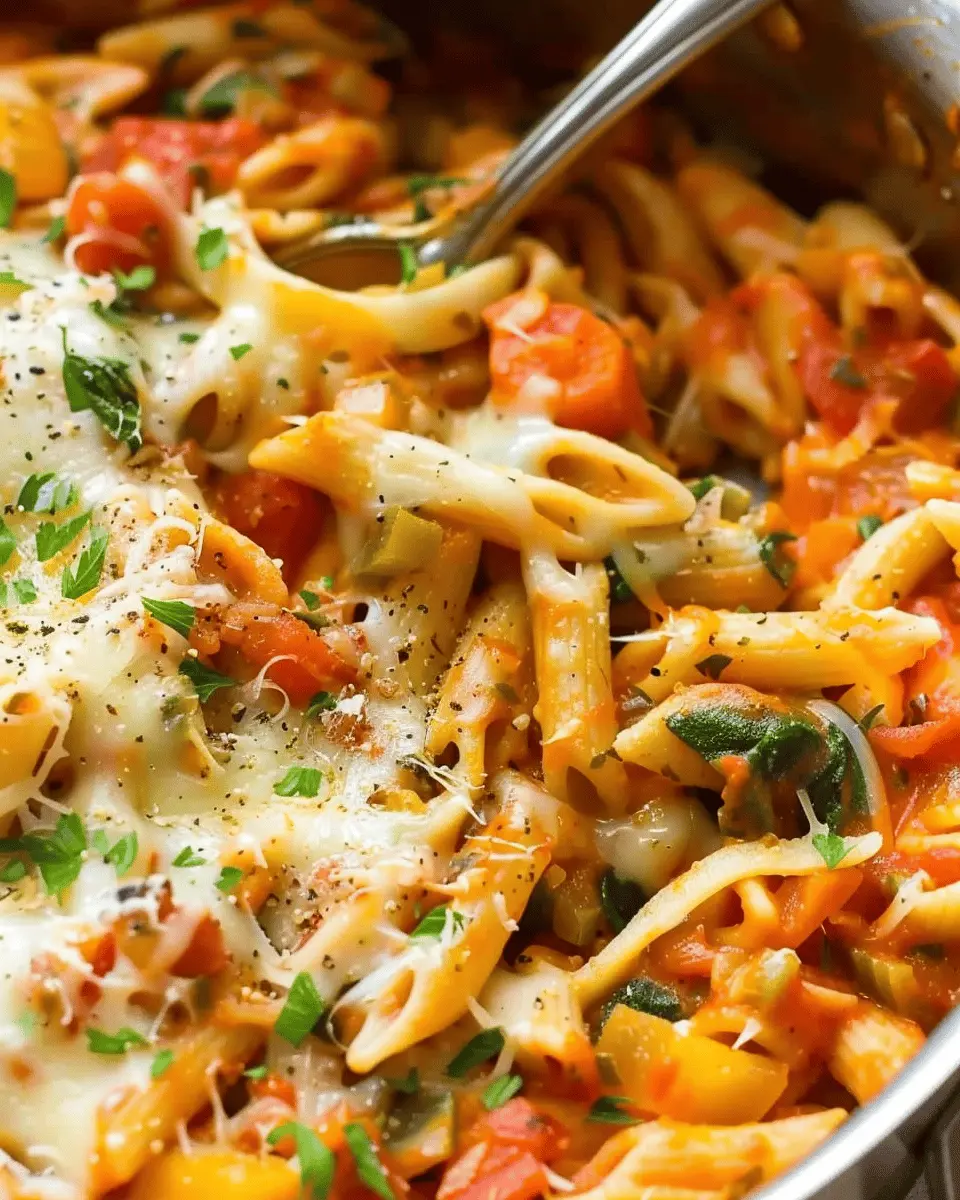
Are you a young professional juggling a busy schedule while trying to eat healthily? If so, vegetable pasta might just become your new best friend in the kitchen. Imagine this: a creamy, flavorful dish packed with fresh veggies that cooks up in just one pot. With the rising popularity of plant-based eating and quick meal prep, vegetable pasta offers a win-win situation for your taste buds and your time.
One of the main reasons why vegetable pasta is a game-changer for young professionals is its simplicity. After a long day at work, the last thing you want to do is spend hours preparing dinner. This recipe allows you to toss a handful of ingredients into one pot and let everything simmer together. You can also customize it based on the produce you have on hand, making it both cost-effective and sustainable. Check out this guide on sustainable cooking for more tips.
Moreover, vegetable pasta is not just about convenience; it’s about nutrition, too. By incorporating a variety of colorful vegetables, you’re not only making your meal look enticing but also packing it with essential vitamins and minerals. According to nutritionists, colorful fruits and vegetables can boost your health significantly, reducing the risk of chronic diseases. So, not only are you cooking something quick and easy, but you’re also nourishing your body.
Versatility at Its Best
The flexibility of vegetable pasta lies in its myriad of variations. Want to add some protein? Toss in turkey bacon or chicken ham for an extra flavor punch. Prefer it vegan? Skip the meat entirely and focus on your favorite seasonal vegetables. Keeping your meals fresh and exciting is simple with this adaptable recipe.
In summary, if you’re seeking a meal that’s quick, delicious, and healthy, vegetable pasta should definitely be on your radar! With just a few ingredients and a minimal time commitment, you can enjoy a restaurant-quality dish right at home. Ready to dive into the recipe? Let’s get cooking!
For additional cooking inspiration and tips, consider exploring resources like EatingWell or Food Network for nutritional advice and recipe ideas.
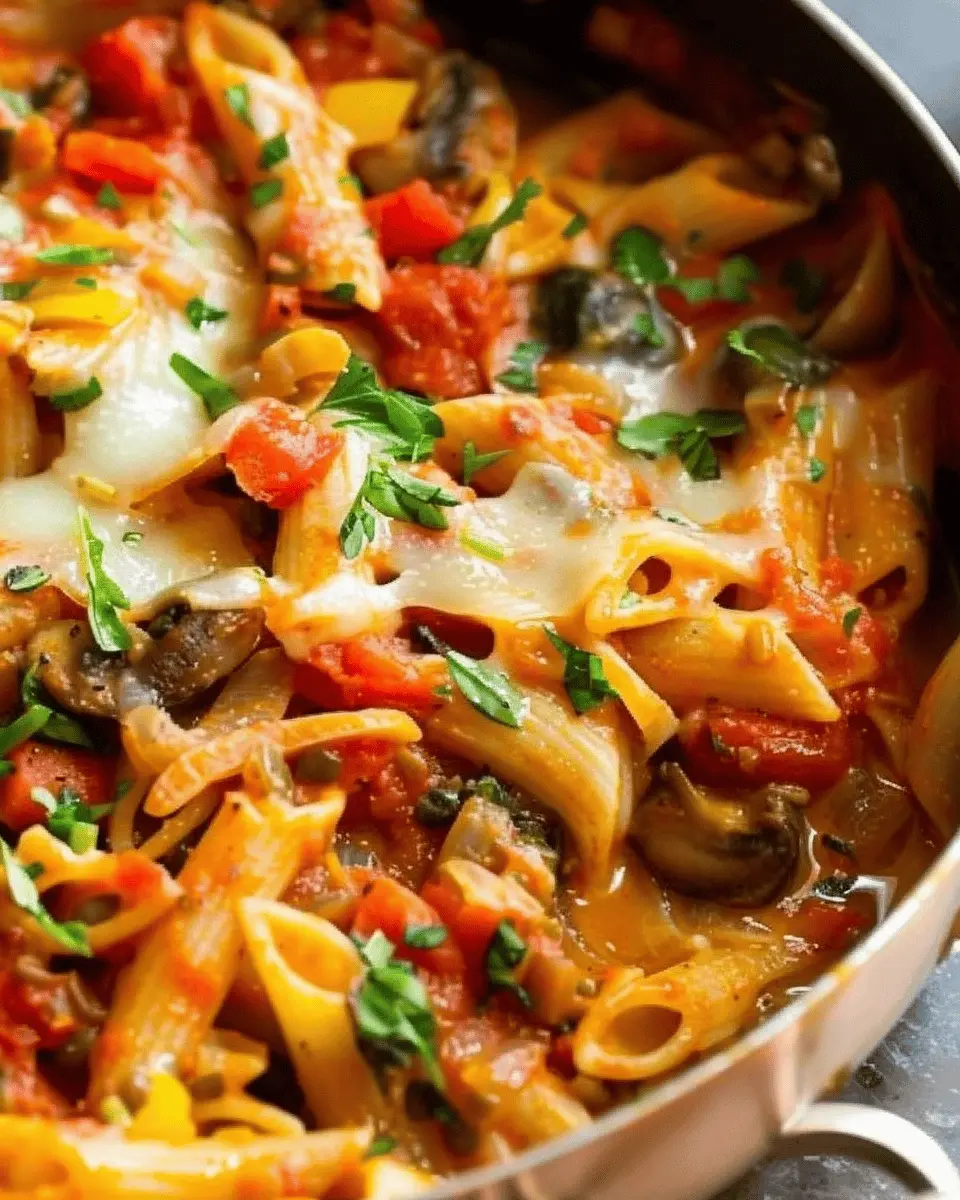
Ingredients for Vegetable Pasta
Creating a delicious and healthy vegetable pasta can be both fun and rewarding. Here’s what you need to whip up this vibrant, one-pot meal that’s perfect for busy weeknights.
Essential Vegetables
- Bell Peppers: Red, yellow, and green add color and sweetness.
- Zucchini: Offers a tender bite and absorbs flavors beautifully.
- Spinach: Packed with nutrients, it wilts perfectly into the dish.
- Onion and Garlic: For that fragrant base, these are non-negotiables.
Protein Options
- Turkey Bacon: A flavorful twist that complements the dish without being heavy.
- Chicken Ham: Adds a savory touch while keeping it light.
Pasta Choice
- Whole Wheat or Gluten-Free Pasta: Depending on your preference, these options work well and keep the meal healthy.
Liquids and Seasonings
- Vegetable Broth: The base that ties all the flavors together!
- Olive Oil: A splash for sautéing the veggies and enhancing taste.
- Italian Herbs: Oregano, basil, and thyme elevate the overall flavor profile.
With such a straightforward list, you’re well on your way to crafting a satisfying vegetable pasta. Don’t hesitate to experiment with seasonal veggies for a fresh twist! For extra inspiration, you might explore the benefits of meal prepping or how to incorporate more veggies into your diet.
Preparing Vegetable Pasta
Making a delicious vegetable pasta in one pot is not only satisfying but a great way to get your daily servings of veggies. The best part? Cleanup is a breeze! Let’s dive into the steps of preparing this delightful dish that’s bursting with flavor and nutrients.
Gather Your Ingredients
Before we start cooking, let’s ensure we have everything we need. Here’s a quick checklist for your vegetable pasta:
- 8 ounces of your choice of pasta (whole wheat or gluten-free options work great)
- 2 cups of assorted vegetables (bell peppers, zucchini, carrots, and spinach are my favorites)
- 1 cup of vegetable broth
- 1 tablespoon of olive oil
- 1 medium onion, chopped
- 3 cloves of garlic, minced
- Optional: Chopped turkey bacon or chicken ham for added protein
- Salt and pepper to taste
- Fresh herbs (basil or parsley) for garnishing
Make sure to wash your vegetables thoroughly and chop them into bite-sized pieces. This not only makes them easier to cook but also helps them absorb all the flavors!
Sauté the Aromatics
Now the fun begins! Start by heating your olive oil in a large pot over medium heat. Once it’s shimmering, add the chopped onion and minced garlic. Sauté these aromatics for about 3-5 minutes until the onion becomes translucent and the garlic releases its fragrant aroma.
Did you know that garlic is not only delicious but also loaded with health benefits? According to the National Institutes of Health, it may help boost your immune system and reduce blood pressure. Adding these little flavor-packed gems elevates your dish and your health!
Add the Vegetables
Next, it’s time to add in those vibrant veggies. If you’re using turkey bacon or chicken ham, add them here as well to let them crisp up and infuse the dish with some savory goodness.
- Toss in your chopped vegetables.
- Stir frequently for about 5-7 minutes, or until they soften but still retain some crunch.
This step not only enhances the flavor profile of your vegetable pasta but also adds a lovely rainbow of colors to your dish. A pop of color on your plate always makes food more appetizing, doesn’t it?
Incorporate the Pasta and Liquid
Now, let’s bring everything together! It’s time to add your uncooked pasta to the pot, along with your cup of vegetable broth. Here’s a tip: if you want a creamier texture, you can substitute some of the broth with a splash of unsweetened almond milk.
- Briskly stir the mixture to combine all of the components.
- Bring it to a gentle boil before reducing the heat to a simmer.
Cover the pot and let it cook for the recommended time on your pasta package—usually about 8-10 minutes. Make sure to stir occasionally to prevent sticking, and feel free to add more broth if it appears too dry.
Cook to Perfection
As the pasta cooks, this is the perfect time to adjust the seasoning. Taste and add salt and pepper as needed. If you feel adventurous, a pinch of red pepper flakes can add a delightful kick!
Once your pasta is al dente and the veggies are tender, remove the pot from the heat and let it sit for a minute. Finally, garnish your vegetable pasta with freshly chopped herbs for that extra fresh aroma.
Serve it warm and enjoy the delightful medley of flavors! Your one-pot vegetable pasta is not only healthy but incredibly satisfying—perfect for a weeknight dinner. Looking for more recipe ideas? Check out EatingWell for a plethora of vegetable-rich dishes. Enjoy!
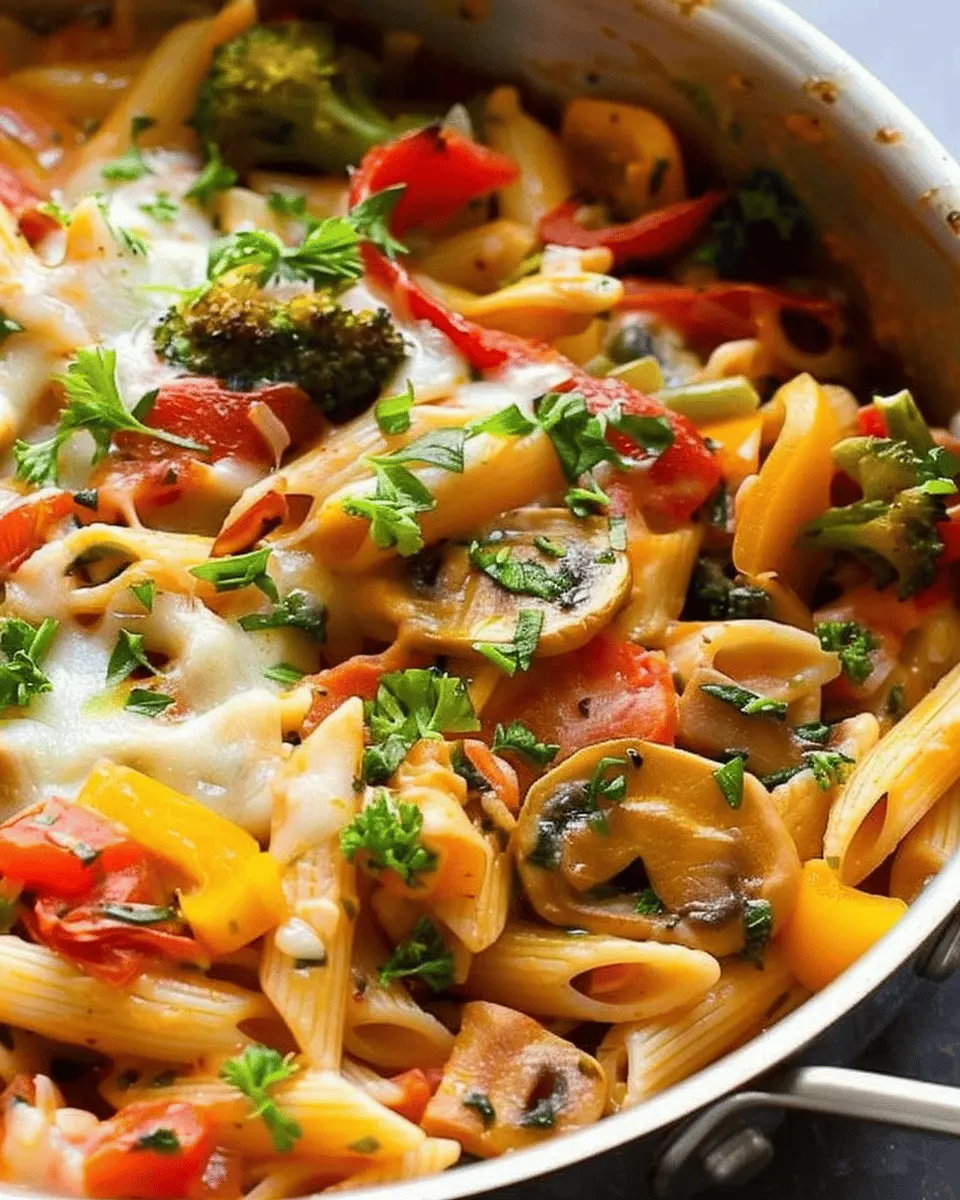
Variations on Vegetable Pasta
Creating your own vegetable pasta is a fantastic way to mix up your meals, and the possibilities are endless. Here are some fun variations to inspire your next one-pot masterpiece!
Swap out the veggies
Feel free to get creative with your vegetable choices! While classic options like zucchini, bell peppers, and spinach are delicious, you can also try:
- Broccoli or cauliflower: For a satisfying crunch and added nutrients.
- Carrots or sweet potatoes: They add a hint of sweetness that pairs well with savory sauces.
- Asparagus or green beans: These add a nice texture and vibrant color.
Don’t hesitate to check what’s in season or use up any veggies that are nearing their expiration date. Joyful Eating has excellent tips on seasonal cooking that can help inspire your choices!
Different pasta types to try
Did you know that the type of pasta you choose can completely change the dish? While traditional spaghetti is popular, consider these alternatives:
- Whole wheat or lentil pasta: These provide extra fiber and protein.
- Gluten-free options: Such as brown rice or quinoa pasta, for those with dietary restrictions.
- Shirataki noodles: A low-calorie, carbohydrate-free option that absorbs flavors beautifully.
Add protein options
To make your vegetable pasta more filling, consider adding a protein boost. Here are a few ideas that work well in one-pot recipes:
- Turkey bacon or chicken ham: These lean meats give your dish a tasty kick without too much fat.
- Grilled chicken or shrimp: Perfect for a hearty meal that’s still light and adaptable.
- Chickpeas or white beans: A fantastic vegetarian protein that blends seamlessly into the mix.
Each of these variations not only enhances the flavor of your dish but also adds nutritional value, making for a well-rounded meal that’s perfect for young professionals seeking quick and healthy options.
Cooking tips and notes for Vegetable Pasta
Avoiding mushy pasta
To keep your vegetable pasta al dente, timing is everything! Make sure to add the pasta just long enough to cook through without becoming mushy. Consider starting your timer when the pasta is halfway submerged. You can also choose a robust pasta like penne or fusilli, which holds its shape better in one-pot dishes. Additionally, remember that residual heat will continue to cook the pasta even after you’ve turned off the stove, so it’s best to taste for firmness a minute or two before the package instructions suggest!
Spice level adjustments
When it comes to spice in your vegetable pasta, cater it to your taste! If you enjoy a little kick, add crushed red pepper flakes or a dash of hot sauce—these can transform your dish. On the other hand, if you prefer milder flavors, feel free to omit them entirely. You can also balance out the heat with a drizzle of olive oil or a sprinkle of cheese at the end. Don’t hesitate to experiment and find your ideal balance; cooking is about discovering what delights your palate!
For more tips on mastering pasta dishes, check out this handy guide from The Kitchn.
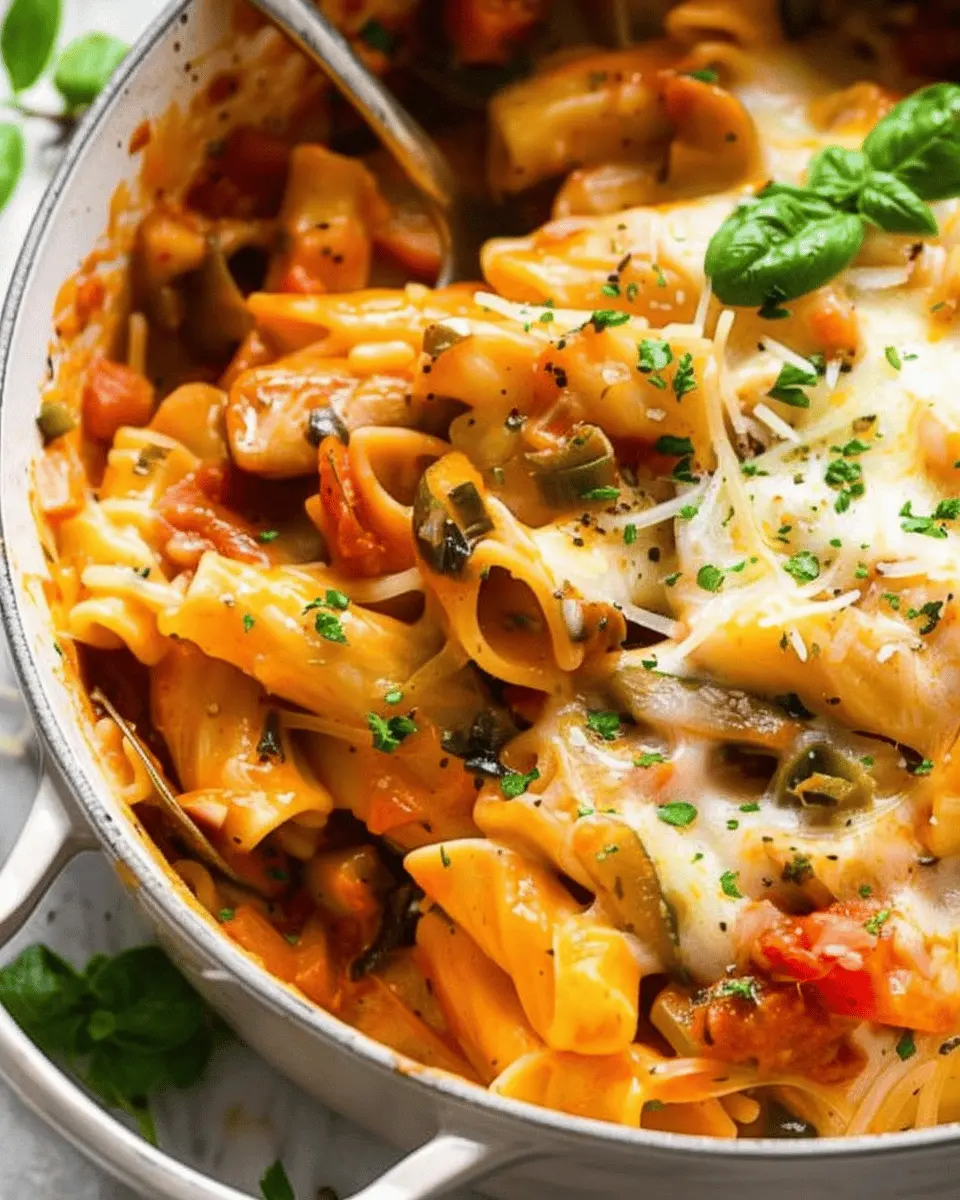
Serving suggestions for Vegetable Pasta
Perfect pairings
When it comes to vegetable pasta, the right accompaniments can elevate your dish to new heights. Consider pairing your pasta with:
- Grilled Chicken: For a protein boost, grilled chicken breast works beautifully with the vibrant flavors of your pasta. The subtle seasoning complements the veggies, creating a balanced plate.
- Turkey Bacon or Chicken Ham: If you’re looking for a savory touch, adding chopped turkey bacon or chicken ham introduces a delightful crunch and salty kick.
- Crisp Green Salads: A refreshing side salad not only adds texture but also provides a contrast of flavors. Try a lemon vinaigrette to brighten the meal!
Creative garnishes
Do not underestimate the power of garnishes! Here are a few ideas to set your vegetable pasta apart:
- Fresh Herbs: Sprinkle chopped basil or parsley for a burst of freshness and color.
- Zesty Cheese: Grated Parmesan or crumbled feta can add a creamy richness that enhances the dish.
- Toasted Nuts: A handful of toasted pine nuts or walnuts brings a satisfying crunch and nutty flavor.
Don’t be afraid to experiment! Toss in your favorite ingredients, and use this delicious base as a canvas for your culinary creativity. If you’re looking for more ideas, check out Food Network’s side dish suggestions for inspiration!
Time breakdown for Vegetable Pasta
Preparation time
Making vegetable pasta is quick and easy, requiring just about 10-15 minutes for prep. This includes chopping your favorite veggies, like bell peppers and zucchini, and getting everything ready for that delicious one-pot experience. You can even involve friends or family in this process, turning it into a fun, collaborative kitchen moment!
Cooking time
Once you’ve set everything up, the cooking time is around 20-25 minutes. As everything simmers together, the flavors unfurl beautifully, making the most of the vegetables and seasonings you’ve chosen.
Total time
In total, you’ll be enjoying your flavorful vegetable pasta in about 30-40 minutes. Perfect for a weeknight meal that feels gourmet without the fuss! Don’t forget, you can also check out this guide on quick cooking tips to streamline your kitchen workflow even more.
Nutritional facts for Vegetable Pasta
When it comes to vegetable pasta, it’s not just a treat for your taste buds—it’s also packed with nutrition!
Calories
A typical serving of vegetable pasta contains around 250 to 300 calories, depending on the recipe and the amount of olive oil used. This makes it a great, low-calorie option for a satisfying meal without compromising your dietary goals.
Fiber and protein content
Vegetable pasta is an excellent source of both fiber and protein. You’ll typically find about 7 grams of fiber and 10 grams of protein per serving. This combination not only keeps you feeling full longer but also aids in digestion, making it beneficial for overall health.
Vitamins and minerals included
Filled with a variety of veggies, this dish provides essential vitamins and minerals:
- Vitamin A: Supports eye health
- Vitamin C: Boosts immunity
- Iron: Vital for energy levels
- Potassium: Helps regulate blood pressure
Incorporating vegetable pasta into your meal plan is a delicious way to nourish your body with the nutrients it craves. For more detailed nutritional insights, check out sources like NutritionData or USDA FoodData.
FAQs about Vegetable Pasta
Cooking is all about flexibility, and vegetable pasta is no exception! Let’s dive into some frequently asked questions to help you get the most out of your cooking experience.
Can I meal prep vegetable pasta?
Absolutely! Vegetable pasta is a fantastic meal prep option due to its versatility and shelf life. You can easily cook a large batch and portion it into individual containers. Just store it in the fridge for up to 4-5 days. When you’re ready to eat, a quick reheat in the microwave or stovetop will have your meal ready in minutes. For tips on meal prepping effectively, check out this resource.
What if I don’t have some of the ingredients?
Don’t fret if your pantry isn’t stocked with every ingredient listed! Vegetable pasta is highly adaptable. You can swap veggies based on what you have—spinach for kale, zucchini for bell peppers—and even substitute the Turkey Bacon or Chicken Ham with a plant-based option if you prefer. Embrace creativity! You might discover new flavor combinations you love.
Can I make this dish in advance?
Yes, you can! Making vegetable pasta in advance is not only possible but can enhance the flavor as it sits and the ingredients meld. If you make it a day before, just keep it in an airtight container in the fridge. When serving, consider adding a splash of broth or a drizzle of olive oil to refresh the dish.
If you’re looking for more advice on making meals in advance, check out this simple guide. Happy cooking!
Conclusion on Vegetable Pasta
Embracing Healthy Homemade Meals
Incorporating vegetable pasta into your dinner rotation isn’t just a tasty choice; it’s a wonderful way to embrace healthy homemade meals. With every colorful vegetable you toss in, you’re not only enhancing the flavor but also boosting the nutritional value of your dish. This one-pot recipe is perfect for busy evenings—simply simmer, stir, and serve!
Moreover, cooking at home gives you complete control over the ingredients. It’s an opportunity to experiment and make meals that cater to your preferences. Plus, preparing food from scratch can strengthen family bonds. So next time you’re in need of a quick, delicious meal, reach for those vegetables and let your creativity shine in the kitchen! For more inspiration, check out sources like Healthline for nutritious tips and EatingWell for innovative recipes.
PrintVegetable Pasta – One Pot Easy Delight for Busy Weeknights
A delightful and easy recipe for Vegetable Pasta, perfect for busy weeknights.
- Prep Time: 10 minutes
- Cook Time: 20 minutes
- Total Time: 30 minutes
- Yield: 4 servings 1x
- Category: Main Dish
- Method: Stovetop
- Cuisine: Italian
- Diet: Vegetarian
Ingredients
- 8 ounces pasta
- 2 cups mixed vegetables
- 1 tablespoon olive oil
- 2 cups vegetable broth
- 1 teaspoon Italian seasoning
- Salt to taste
- Pepper to taste
Instructions
- In a large pot, heat olive oil over medium heat.
- Add mixed vegetables and sauté until tender.
- Stir in the pasta, vegetable broth, Italian seasoning, salt, and pepper.
- Bring to a boil, then reduce the heat and let it simmer until pasta is cooked.
- Stir occasionally, adding more broth if needed.
- Serve hot and enjoy!
Notes
- For added flavor, top with grated parmesan.
- This dish can be customized with your favorite vegetables.
Nutrition
- Serving Size: 1 plate
- Calories: 350
- Sugar: 3g
- Sodium: 600mg
- Fat: 10g
- Saturated Fat: 1g
- Unsaturated Fat: 8g
- Trans Fat: 0g
- Carbohydrates: 55g
- Fiber: 5g
- Protein: 12g
- Cholesterol: 0mg
Keywords: Vegetable Pasta, One Pot