





Outline for Mango Sago (Part 1)
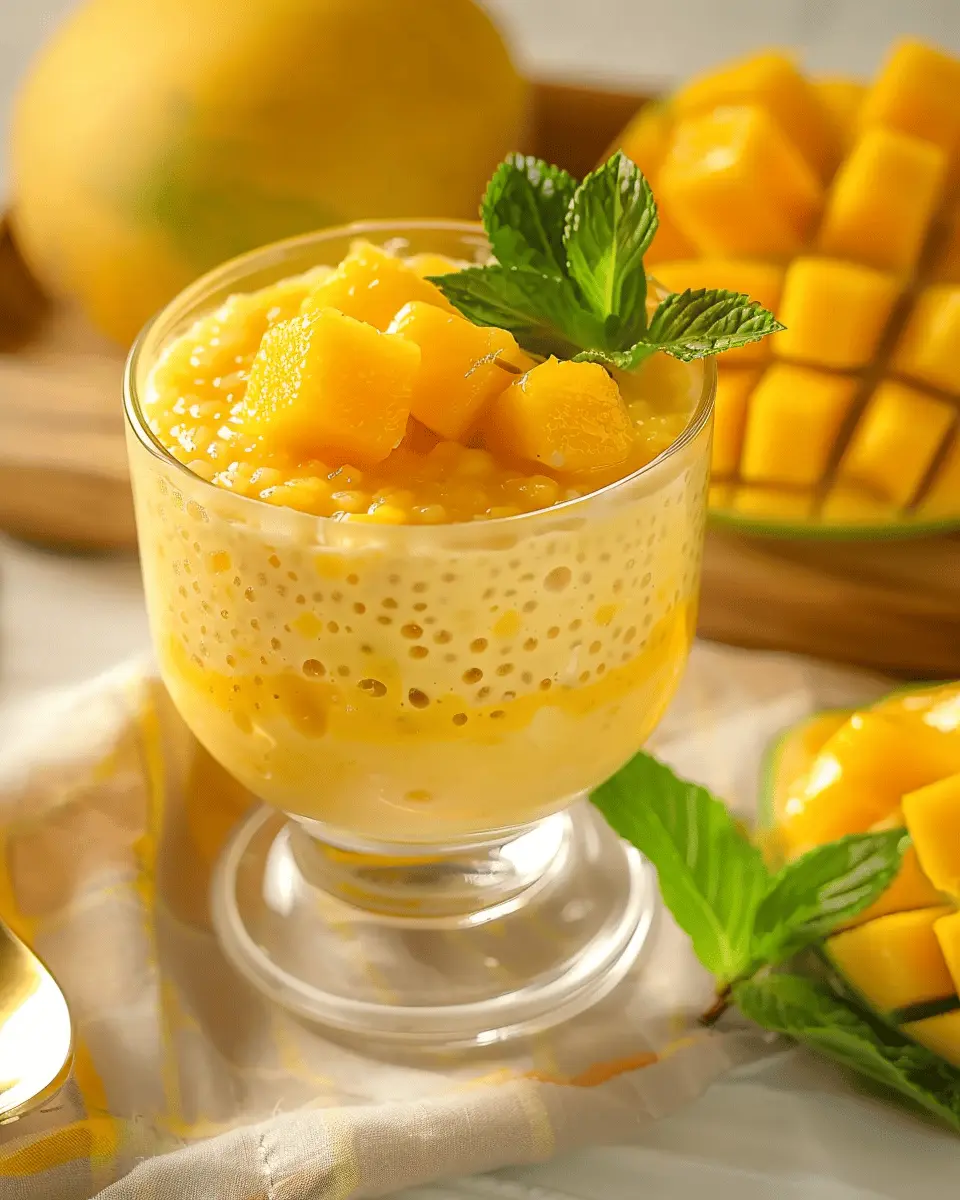
If you’re looking for a refreshing and delightful dessert that brings a taste of tropical paradise right to your kitchen, you can’t go wrong with mango sago. This luscious dish combines the sweet and creamy flavor of ripe mangoes with the unique texture of sago pearls, making it a hit for gatherings or a simple weeknight treat.
What You’ll Need for Mango Sago
Before diving into the preparation, it’s essential to gather all your ingredients. This can save you time and ensure you’re not rushing through anything:
- Ripe Mangoes: Choose fresh, sweet mangoes for the best flavor. Consider varieties like Alphonso or Haden.
- Sago Pearls: These tiny tapioca spheres are a key component. You can buy them easily online or at your local grocery store.
- Coconut Milk: To create a luscious, creamy base. Canned coconut milk works beautifully.
- Sugar: For sweetening, adjust as per your preference.
- Water: For cooking the sago pearls.
- Pandan Leaves (optional): These add a lovely fragrance and flavor to your dish.
Preparing the Ingredients
Once you have everything, the first step is to prepare your ingredients properly.
-
Wash the Sago Pearls: Place the sago pearls in a fine mesh sieve and rinse them under cold water for a couple of minutes. This helps remove excess starch, ensuring they become wonderfully chewy.
-
Peeling and Dicing Mangoes: Use a range of culinary skills to slice mangoes. Getting your mango cubes uniform in size not only makes the dish visually appealing but also ensures even sweetness in every bite.
-
Making Coconut Mixture: In a saucepan, combine coconut milk and sugar over medium heat. Stir until the sugar dissolves. If you’re feeling adventurous, add a splash of vanilla extract for extra flavor.
If you want to read more about using various kinds of coconut milk in recipes, check out Serious Eats for in-depth knowledge.
Cooking the Sago Pearls
Cooking sago pearls can be a bit tricky, but don’t worry; it’s easier than it sounds!
-
Boil Water: Start by bringing a large pot of water to a rolling boil. The ratio usually is about 1 part sago to 8 parts water.
-
Add Sago Pearls: Gently stir in the rinsed sago pearls. Keep stirring occasionally to prevent them from sticking together.
-
Timing is Key: Cook for about 15 to 20 minutes until the pearls turn translucent. Cooking time can vary based on the brand, so keep an eye on them.
Assembling Your Mango Sago Delight
At this point, your sago pearls should be ready; they’ll have an almost jelly-like quality. Here’s how to assemble your mango sago:
- Drain the cooked sago pearls and rinse them under cold water to stop the cooking process.
- In a mixing bowl, combine the sago pearls with the coconut mixture. Let them cool at room temperature.
- Fold in your diced mangoes gently to ensure they don’t get mushy.
Sharing this dessert with friends or family can bring so much joy, especially if everyone gets to make their own version. Why not consider adding a touch of lime zest or fresh mint leaves for garnish to elevate this dish even further?
Now that you’re well on your way to creating that perfect mango sago, stay tuned for the next part where we’ll dive into the serving suggestions and some variations to customize this dish to your liking!
Introduction to Mango Sago
What is Mango Sago?
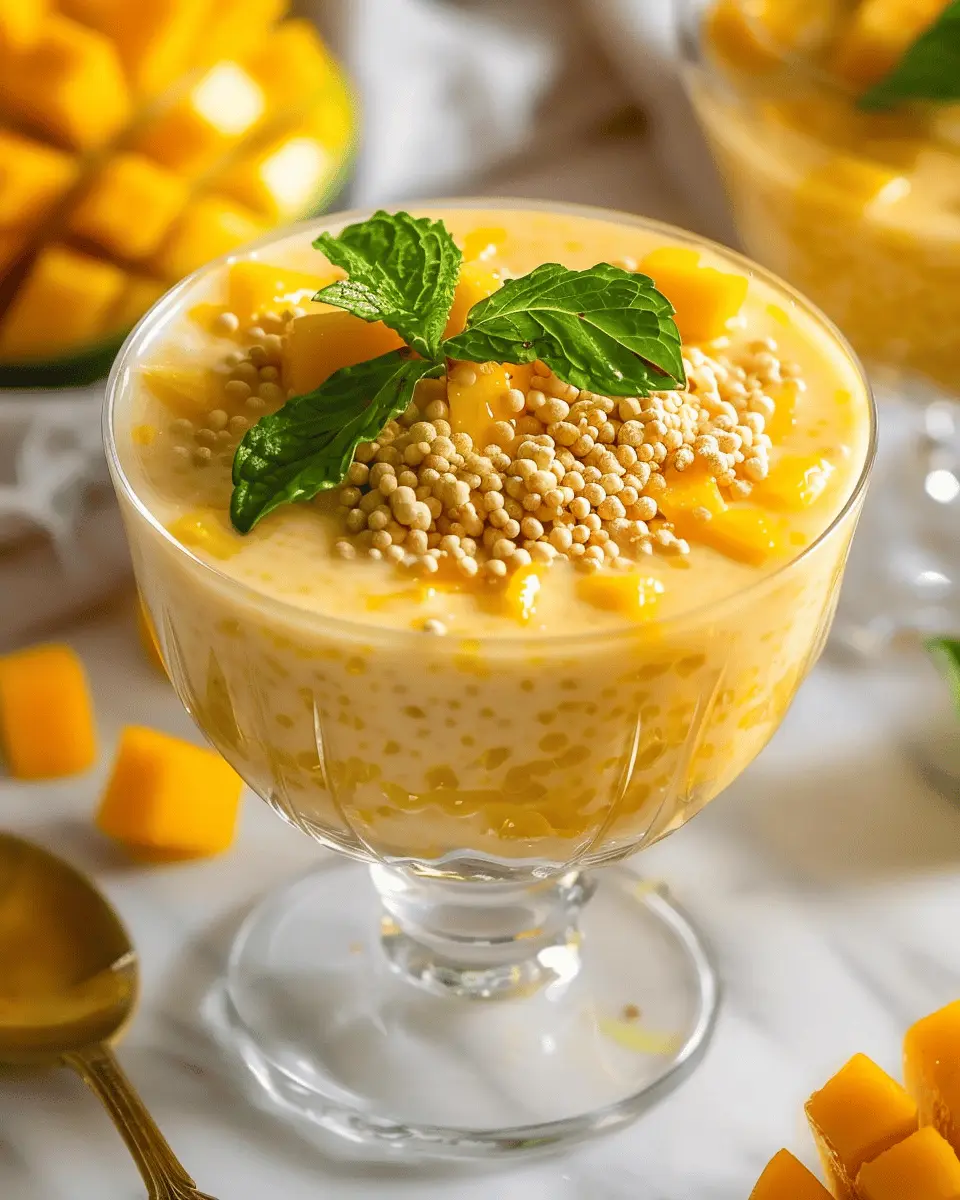
Mango Sago is a delightful dessert originating from Southeast Asia, particularly popular in Hong Kong and other parts of the region. This vibrant dish features a luxurious combination of fresh mango puree, chewy tapioca pearls (often called sago), and creamy coconut milk. The result is a visually stunning treat that bursts with flavor and texture, making it a favorite in many dessert shops and restaurants. The best part? You can easily recreate this tropical indulgence right in your own kitchen!
The Appeal of Homemade Desserts for Young Professionals
In today’s fast-paced world, young professionals often find themselves juggling multiple commitments. However, the joy of indulging in a homemade dessert like mango sago is not to be underestimated. Making your own desserts not only allows you to customize flavors and ingredients but also gives you a much-needed break from the daily grind. Preparing this dish requires minimal time and effort—making it perfect for a relaxing weekend experiment.
- Healthier Options: You can control the sugar content and substitute ingredients to suit your dietary preferences.
- Sense of Accomplishment: There’s nothing quite like serving a delicious homemade dessert to impress friends or enjoy during a cozy night in.
- Culinary Creativity: You can experiment with various toppings, such as fresh fruit or mint leaves, to elevate your dessert game.
For those interested in the health benefits of mango, it’s worth noting that this fruit is rich in vitamins A and C, providing a delicious way to incorporate nutrients into your diet.
Personal Anecdote: My First Experience with Mango Sago
I still remember my first encounter with mango sago. It was during a visit to a quaint little café in the heart of the city, where the tantalizing aroma of fresh mangoes caught my attention. I ordered a bowl, and as I took my first bite, the flavors danced on my palate—sweet, creamy, and oh-so-refreshing! It was love at first taste, and I knew I had to learn how to make it myself. The experience not only introduced me to this luscious dessert but also sparked my passion for exploring tropical flavors in my cooking.
If you’re inspired to create your own mango sago masterpiece, stay tuned for the full recipe and tips that will make your dessert both beautiful and delicious.
Ingredients for Mango Sago
List of essential ingredients
To create a delightful Mango Sago, you’ll need a few central ingredients that come together to form this refreshing dessert:
- Ripe Mangoes: Sweet and juicy, the star of the dish. Look for mangos that yield slightly to pressure.
- Sago Pearls: These tiny tapioca pearls provide that characteristic chewy texture.
- Coconut Milk: Adds creaminess and richness, balancing the sweetness of the mango.
- Sugar: Adjust the sweetness to your preference, but don’t overdo it—mangoes are naturally sweet!
- Water: For cooking the sago pearls.
Optional ingredients for customization
Feel free to get creative with your Mango Sago! Here are some optional ingredients you might consider:
- Chia Seeds: For extra texture and nutrition.
- Lime Zest: A splash of citrus can brighten the flavors.
- Fresh Fruits: Consider adding diced fruits for a colorful twist—like kiwi or strawberries!
Importance of quality ingredients
When it comes to dishes like Mango Sago, the quality of your ingredients makes a big difference. Using fresh, ripe mangoes enhances the overall flavor, while high-quality coconut milk contributes to the creaminess of the dish. Consider sourcing your ingredients from local markets or organic stores for the best taste. Not only does this support local growers (localharvest.org), but it can also lead to a more enjoyable cooking experience.
So, gather your ingredients, and let’s get cooking!
Preparing Mango Sago
Mango Sago is a delightful dessert that perfectly combines rich mango flavors with the smoothness of coconut milk and chewy sago pearls. This recipe is not only simple to make but also a feast for the senses, offering a refreshing treat that can transport you straight to tropical paradise. Ready to dive into this creamy delight? Let’s get started!
Gather and Prep the Ingredients
First things first: you’ll need to gather all your ingredients. Preparing Mango Sago is a breeze once you have everything ready. Here’s what you’ll need:
- Sago pearls (about ½ cup)
- Ripe mangoes (2 large, diced)
- Coconut milk (1 cup)
- Sugar (to taste, typically around ¼ cup)
- Water (for cooking the sago)
- Fresh mango chunks (for garnishing)
Make sure your mangoes are ripe and sweet for the best flavor. Feel free to check out sources like the American Mango Board for tips on choosing the perfect mangoes. Once your ingredients are laid out, you can begin the fun part—cooking the sago pearls!
Cooking the Sago Pearls
The sago pearls are the stars of this dessert, adding a lovely chewy texture. Start by rinsing the sago pearls under cold water to remove excess starch. Next, in a pot, bring about 3 cups of water to a boil.
- Add the sago pearls once the water is boiling.
- Cook for about 10-15 minutes, stirring occasionally, until the pearls turn translucent.
- Drain and rinse under cold water to stop the cooking process. This also helps to improve the texture of the pearls.
Feel free to check out detailed guides on cooking sago on culinary sites for even more insights!
Blending Mango and Milk Mixture
Now, it’s mango time! In a blender, combine the diced ripe mangoes, coconut milk, and sugar. Blend until smooth and creamy; you might want to leave a few small chunks of mango if you prefer a bit more texture.
This blend is where the magic happens. The coconut adds a rich creaminess that pairs beautifully with the sweetness of mango. Trust me, the aroma alone will have you dreaming of sunny days!
Combining Ingredients for the Perfect Texture
Once your mango mixture is ready, add in the cooked sago pearls. This is where you’ll start to see your Mango Sago come to life! Stir gently to combine everything, ensuring that the sago pearls are evenly distributed throughout the mango-coconut mix.
- Taste your mixture and adjust the sweetness if necessary. If you like it sweeter, go ahead and add a bit more sugar. If you’re looking for a lighter taste, a splash of lime juice can really brighten everything up!
Chilling and Serving the Dessert
After you’ve combined everything to your liking, it’s time to chill! Transfer your Mango Sago mixture into serving bowls or a large dish. Cover it and let it refrigerate for at least two hours to allow the flavors to meld beautifully.
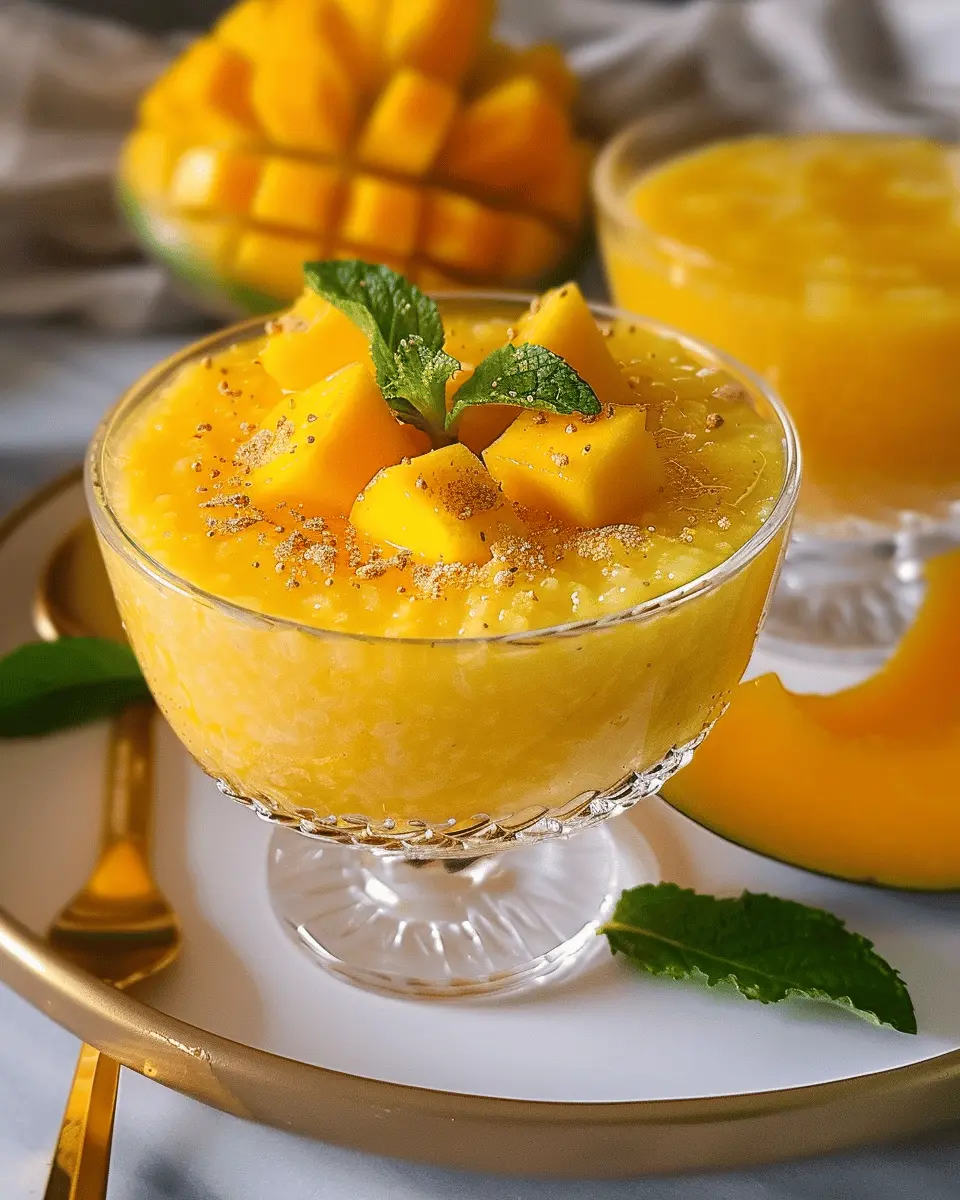
When you’re ready to serve, give the dessert a gentle stir and garnish with a few fresh mango chunks on top for that beautiful finish.
Enjoy your Mango Sago as a cooling dessert after a hearty meal, or serve it at your next gathering to impress your friends! There you go—your tropical paradise in a bowl, ready to be devoured.
By following these steps, you’re not just making a dessert; you’re creating a sweet memory. Try it out and let the flavors dance on your palate!
Outline for Mango Sago (Part 2)
Preparing the Coconut Mixture
Now that you’ve got your mango sago cooked and ready to go, let’s talk about how to make that creamy coconut layer that really brings everything together. This step is vital because it’s the luscious blend of coconut milk and sugar that complements the tropical sweetness of the mango.
Ingredients:
- 1 can of coconut milk
- 2 tablespoons sugar (or your preferred sweetener)
- A pinch of salt
Instructions:
- In a small saucepan over low heat, combine the coconut milk, sugar, and salt.
- Stir until the sugar is completely dissolved, and the mixture is warm (you don’t want it to boil).
- Remove from heat and let it cool slightly.
You may wonder why we’re using coconut milk. Well, not only does it add richness, but it’s also a healthier alternative to heavy cream. According to the Coconut Research Center, coconut milk provides a myriad of health benefits, from improving heart health to boosting immunity. Perfect for those of us who are mindful of our health!
Assembling Your Mango Sago Delight
Now that you’ve prepared your ingredients, it’s time to assemble your beautiful mango sago dessert. Get ready to create layers of flavor that will make your taste buds dance!
Step-by-Step Assembly:
- Layer 1: Start by adding a few spoonfuls of the sago and mango mixture at the bottom of your serving cups or bowls.
- Layer 2: Pour some of that luscious coconut mixture over the mango sago.
- Layer 3: Repeat the layers until you reach the top of your serving containers.
- Garnish: Finish it off with pieces of fresh mango or a sprinkle of toasted coconut flakes for that extra flair.
It’s almost like building a delicious little tower of happiness! And remember, this dessert looks as good as it tastes. Guests will be impressed just by the presentation alone. Perfect for dinner parties or a casual gathering with friends.
Tips for the Best Mango Sago Experience
Creating the perfect mango sago isn’t just about following the recipe; it’s about bringing out the flavors and textures that make this dish so irresistible. Here are some tips to enhance your dessert even further:
- Use Ripe Mangoes: Ripe, sweet mangoes are essential for that depth of flavor. Look for mangoes that are slightly soft but not overripe.
- Chill Before Serving: Allow your assembled dessert to chill in the refrigerator for at least an hour to let the flavors meld and the textures set.
- Customize: Feel free to add your twist. Try adding a layer of diced strawberries or a drizzle of passion fruit puree to play with flavors!
Have you ever found yourself staring at a dessert menu, overwhelmed by choices? Simple yet delicious options like mango sago can steal the show. Plus, it allows for creativity—get innovative and tailor it to your taste!
Conclusion
And there you have it—your guide to preparing a delightful mango sago dessert! With its creamy coconut base, sweet mango undertones, and delightful texture from the sago, it’s bound to become a favorite in your recipe repertoire.
Whether you’re celebrating a special occasion or just treating yourself on a regular weeknight, this dessert is a fantastic choice. If you have any variations or tips, share them with us in the comments. Happy cooking!
Variations on Mango Sago
Tropical Fruit Variations
One of the best things about mango sago is its versatility. While the classic version is undeniably delicious, why not elevate it with other tropical fruits? Consider adding diced pineapple, passion fruit, or dragon fruit for a burst of color and flavor. Each fruit introduces a unique tang, balancing beautifully with the sweetness of mangoes. Personally, I love tossing in some fresh kiwi for that extra zing. You can also explore local markets for seasonal fruits to keep your mango sago fresh and exciting.
Coconut Cream vs. Regular Milk
When preparing your mango sago, the choice between coconut cream and regular milk can make a world of difference. Coconut cream lends a rich, creamy texture and a delightful tropical flair that’s simply irresistible. If you’re after a lighter version, regular milk can work just fine, though it might lack that luxurious touch. For an interesting twist, try using unsweetened almond milk for a nutty flavor or oat milk to add creaminess while keeping it plant-based.
Vegan Options and Substitutions
Looking to make your mango sago vegan-friendly? No problem! You can easily substitute gelatin with agar-agar, a plant-based gelling agent, allowing you to achieve that delightful texture without compromising your dietary preferences. If you’re not keen on using sugar, consider using agave syrup or maple syrup instead for a touch of sweetness without the refined sugars. With these vegan options, everyone can enjoy this delicious dessert!
For more tips on tropical flavors, check out this resource on various fruits and their benefits, or explore the world of coconut cream in this informative article. Happy cooking!
Cooking Tips for Mango Sago
How to achieve ideal sago consistency
Getting the sago just right is crucial for the best Mango Sago experience. Start by rinsing the sago pearls to remove excess starch, which can make them too sticky. Cook them in boiling water for about 15-20 minutes until they turn transparent, then let them sit off the heat for a few minutes. Drain and rinse them again in cold water—this stops the cooking process and helps maintain that delightful chewy texture.
Troubleshooting common mistakes
If your Mango Sago turns out too gummy or clumpy, it’s likely you overcooked the sago or didn’t rinse thoroughly. If you find your dessert too sweet, balance it with a dash of lime juice. For a creamier texture, consider mixing in a bit of coconut cream. Remember, cooking is all about adjustments!
Expert insights on dessert-making
As pastry chef Emily C. advises, “The joy of dessert-making is in the details.” Perfecting your Mango Sago requires patience, so enjoy the process. You can find additional tips on dessert techniques at sources like Serious Eats and The Kitchn. Experiment, taste, and have fun!
Outline for Mango Sago (Part 3)
Now that you’ve mastered the basics, let’s dive deeper into the delightful world of mango sago. In this section, we’ll explore some creative variations, serving suggestions, and tips for achieving that perfect creamy texture that makes this dessert irresistible. Whether you’re hosting a gathering or just looking to treat yourself, you’ll find valuable insights to elevate your dessert game!
Variations on Traditional Mango Sago
While the classic mango sago recipe is a showstopper on its own, trying out unique variations can help you discover new favorite flavors. Here are a few delightful twists:
- Coconut Cream Twist: Substitute part of the milk with coconut cream for a tropical flair. This not only enhances the flavor but also adds a velvety texture.
- Fruit Medley: Add a mix of fruits like strawberries, kiwi, or even dragon fruit. Not only does it look colorful, but it also packs a nutritional punch with various vitamins.
- Ginger Infusion: Adding a hint of grated ginger can give your mango sago an exciting kick. Ginger is known for its digestive properties and adds an interesting flavor depth.
Experimenting with these variations can transform your dessert experience, making it even more enjoyable. Plus, you have the flexibility to tweak the recipe according to your guests’ preferences!
Tips for the Creamiest Mango Sago
Achieving that luscious, creamy texture in your mango sago is key. Here’s how to ensure your dessert is as smooth as can be:
- Use Ripe Mangos: The sweeter and riper your mangoes, the creamier and more flavorful your dessert will be. Look for mangoes with a slight give when gently squeezed.
- Soak the Sago Pearls: Soaking the sago pearls long enough before cooking helps them become tender and less chewy. A good rule of thumb is to soak them for at least 30 minutes.
- Blending: After combining the cooked sago and mango puree, give the mixture a spin in the blender for a few seconds to achieve a smoother consistency. Just be careful not to over-blend; you want some pearly bites remaining.
Incorporating these simple tips can make a world of difference! If you’re keen on more detailed tips, the American Heart Association offers great insights into nutrition and food preparation.
The Perfect Serving Suggestions
Presentation matters, especially when it comes to a dessert as appealing as mango sago. Here are some serving suggestions to wow your family and friends:
- Layered in Glasses: Use clear glasses to showcase the layers of bright mango puree, creamy sago, and any added fruits. Garnishing with mint leaves can elevate the aesthetic.
- Chilled Delights: Serve the mango sago chilled for a refreshing treat, especially on warmer days. Consider storing it in the refrigerator for at least an hour before serving.
- Toppings Galore: Consider offering toppings like shredded coconut, chopped nuts, or edible flowers. Providing a variety can lead to a personalized dessert experience, making it fun for guests to build their own bowls!
By thinking outside the box when it comes to presentation and toppings, you can turn a simple dessert into a showpiece.
Final Thoughts and Conclusion
Crafting the perfect mango sago is not just about following a recipe; it’s an opportunity to express your creativity in the kitchen. Whether you embrace classic flavors or experiment with exciting variations, this dessert is bound to impress. Remember, cooking is as much about the enjoyment of the process as it is about the final product. So don’t hesitate to add your flair and preferences! For more inspiration and culinary creativity, check out websites like BBC Good Food for innovative ideas.
With each scoop of this creamy, fruity delight, you’re not just treating your taste buds; you’re discovering a refreshing way to celebrate the sweetness of life!
Now that you have all this delicious information at your fingertips, it’s time to roll up your sleeves and create some mango sago magic in your kitchen! Happy cooking!
Serving Suggestions for Mango Sago
Creative Ways to Present the Dish
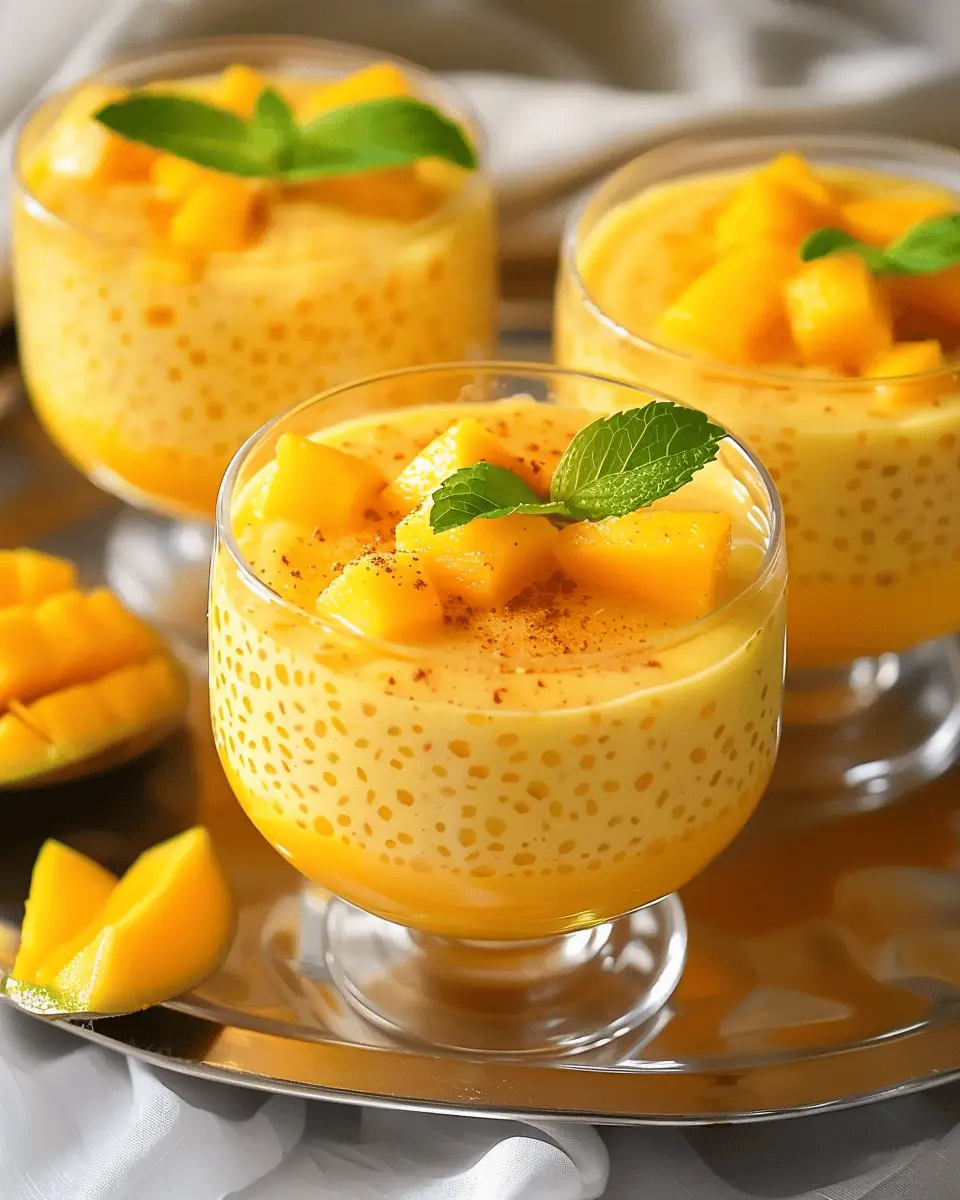
When it comes to mango sago, presentation is everything! Try serving this delightful dessert in clear, chilled glasses to showcase its beautiful layers. Add a sprig of mint or a slice of fresh mango on top for that extra touch. You could even use coconut shells for a tropical vibe—perfect for summer gatherings or patio parties. Feeling adventurous? Consider creating a mango sago parfait with layers of crushed graham crackers for a delightful crunch.
Pairing with Other Desserts
Mango sago plays wonderfully with other desserts. Consider pairing it with a light coconut panna cotta or a scoop of vanilla ice cream. The creamy texture and subtle flavors complement the mango perfectly. You might also serve it alongside tropical fruit salads for a refreshing dessert table or mix it in with some chocolate brownies—trust me, the flavors will surprise you!
Serving Size and Portion Control
When it comes to serving size, aim for about 1 cup per person, especially if it’s part of a multi-course meal. Since mango sago is rich and sweet, smaller portions can satisfy your guests without overwhelming them. This is not just a practical approach but also a great way to keep everyone wanting more!
Time Breakdown for Mango Sago
Preparation Time
Getting started on your mango sago requires about 15 minutes of prep. This is when you’ll peel and dice fresh mangoes, soak the sago pearls, and gather all your ingredients. Quick tip: Having everything prepped ahead of time makes the process smoother and more enjoyable!
Cooking Time
The cooking time is relatively short, too—just about 30 minutes. Most of this is spent cooking the sago pearls until they’re soft and chewy. Featured in many tropical desserts, sago adds that delightful texture to your dish.
Total Time and Refrigeration Time
In total, you’re looking at about 45 minutes for the initial preparation and cooking. Before serving, allow the mango sago to chill in the refrigerator for at least an hour—this not only enhances the flavors but makes for the perfect refreshing dessert.
For a deeper insight, you can check out tips about mango sago on culinary sites like Serious Eats or Bon Appétit. Enjoy your delicious creation!
Outline for Mango Sago (Part 4)
Welcome back to our delightful journey of creating the ultimate mango sago! By now, you might be dreaming of those smooth, creamy textures mixed with fresh tropical flavors. In this section, we’re going to dive deeper into some essential steps and tips that’ll take your mango sago from good to absolutely irresistible.
Key Ingredients and Their Importance
Understanding the role of each ingredient can elevate your dish significantly. Here’s a brief rundown of what you’ll need:
- Mango: Choose ripe, sweet mangoes for that authentic tropical flavor. The Philippines is renowned for its Carabao mango, if you can find it.
- Sago Pearls: These little gems add a lovely chewy texture that contrasts perfectly with the velvety mango puree.
- Coconut Milk: Adds creaminess and depth of flavor. Full-fat coconut milk gives the best richness.
- Sugar or Sweetener of Choice: Adjust according to your preference; remember, mangoes can vary in sweetness.
Perfecting the Cooking Process
Cooking the sago pearls properly is crucial for achieving the right consistency. Here’s a quick guide to get it just right:
- Rinse the Sago: Start by rinsing the pearls to remove any excess starch.
- Boil: Use a pot filled with water and bring it to a rolling boil. Add the sago and stir gently.
- Simmer: Let them cook on low heat until they turn translucent. This usually takes about 15-20 minutes.
- Drain and Rinse: Once cooked, drain the pearls and rinse them in cold water to stop the cooking process. This ensures they maintain their chewy texture.
If you want to ensure that you’re treating your taste buds right, consider checking out an expert cooking site like Serious Eats for more in-depth cooking techniques!
Combining Ingredients for the Ideal Texture
When it comes to mixing your mango sago, timing is everything. After you’ve prepared your mango puree and sago, follow these steps:
- Mix the Sago with Coconut Milk: Combine them gently in a bowl, allowing the sago to absorb some of that rich coconut flavor.
- Add Mango Puree: Gently fold in the mango puree until everything is well-blended. The goal is to keep the light and creamy structure intact.
A question many ask is: “Can I substitute ingredients?” Absolutely! You can swap coconut milk with almond or oat milk for a different flavor profile, or even create a vegan version by using plant-based sweeteners. The world of mango sago is flexible!
Serving Suggestions
Now, let’s talk about presentation! Your beautiful mango sago deserves to shine. Consider these serving ideas:
- Glassware: Use clear glasses or bowls to show off those vibrant layers.
- Toppings: Add fresh fruit slices, toasted coconut, or a sprinkle of chia seeds for added crunch.
- Chill: Let it sit in the refrigerator for a few hours before serving. This not only enhances the flavors but also makes it a refreshing treat!
For those of you interested in plating techniques, websites like Food52 provide fantastic resources and tips to make your dessert visually stunning.
Final Tips and Tricks
Before you finish up your mango sago, remember:
- Experiment with flavors! A hint of lime zest can add an exciting twist.
- Taste and adjust sweetness before serving; everyone has their preference.
- Share your creations on social media! Your followers will appreciate a snapshot of your culinary efforts.
Creating the perfect mango sago is not just about following a recipe; it’s about enjoying the process and sharing the end result with loved ones. So roll up your sleeves, gather those ingredients, and let’s create something delicious together!
Keep an eye out for our next section, where we’ll introduce some variations on the classic mango sago to keep things interesting. Happy cooking!
Nutritional Facts for Mango Sago
Caloric Content per Serving
A serving of Mango Sago typically contains around 200-250 calories, making it a deliciously sweet yet manageable treat. If you’re watching your caloric intake, you can adjust the portion size to fit your nutritional goals.
Macronutrient Breakdown
- Carbohydrates: 30-35g
- Protein: 3-4g
- Fat: 10-12g
This delightful dessert primarily provides carbohydrates from the mango and sago, while coconut milk contributes healthy fats.
Health Benefits of Mangoes and Coconut
Using mangoes and coconut milk in your Mango Sago enhances not just the flavor but also the nutritional profile.
-
Mangoes are rich in vitamin C and antioxidants, boosting your immune system and promoting healthy skin. Studies suggest that the nutrients in mangoes can help in digestion and even enhance eye health. More on that can be found here.
-
Coconut milk provides healthy fats that can contribute to heart health. The medium-chain triglycerides (MCTs) offer a quick energy source, making it an excellent addition to your diet. For more insights on coconut milk benefits, check out this resource.
Incorporating Mango Sago into your culinary repertoire not only satisfies your sweet cravings but also nourishes your body!
FAQs About Mango Sago
Can I use frozen mangoes?
Absolutely! Using frozen mangoes is a great alternative when fresh ones aren’t available. Just make sure to thaw them fully before blending. This will help retain that lovely flavor and smooth texture we all love in Mango Sago. You might even find that frozen mangoes yield a creamier outcome, so don’t shy away from experimenting!
How long can Mango Sago be stored?
Mango Sago is best enjoyed fresh but can be stored in the refrigerator for up to 2–3 days. Ensure it’s in an airtight container to prevent it from absorbing any unwanted odors. Just a note: the texture might slightly change after a day in the fridge, but it’ll still taste delicious; just maybe give it a quick stir before serving.
What are the best tips for making this dessert ahead of time?
Planning to serve Mango Sago at a gathering? Make your life easier by preparing the components ahead. Here are some tips:
- Prep the base: You can make the coconut milk and sago mixture a day in advance. Just keep it chilled.
- Fresh mango topping: Dice the mango just a few hours before serving to keep it fresh and vibrant.
- Layering: If you prefer to serve in individual cups, layer the ingredients right before your guests arrive. This enhances presentation and prevents sogginess.
Feel free to add your own twist! For more recipe inspiration, you can check out resources like Food Network or Bon Appétit. Happy cooking!
Outline for Mango Sago (Part 5)
Creating the perfect Mango Sago can feel overwhelming at first, but trust me, it’s all about breaking it down into digestible parts. In this section, we’ll go through the garnishing and serving ideas that really make your dessert stand out. After all, you want your attendees to be just as impressed by the presentation as they are by the taste!
Garnishing Your Mango Sago
Garnishing adds that finishing touch to your Mango Sago and can elevate your dessert from good to outstanding. Here are some ideas to inspire your creativity:
- Coconut Flakes: A sprinkle of toasted coconut flakes brings a delightful crunch and complements the tropical flavors beautifully.
- Fresh Mint: A couple of fresh mint leaves not only add a pop of color but also a refreshing aroma. Imagine serving your Mango Sago in a clear glass with a sprig of mint peeking out. It’s a visual treat!
- Sliced Mango: Adding fresh slices of mango on top isn’t just about beauty; it deepens the mango flavor and enhances the overall experience.
- Chia Seeds: These tiny seeds are a great way to add texture. They also make your dessert look a bit more sophisticated and trendy.
Serving Suggestions for Mango Sago
Now that you’ve prepped your Mango Sago, how about some mouth-watering ways to serve it? It’s all in the presentation!
-
In Glass Bowls: Serve your Mango Sago in clear glass bowls or cups to showcase those vibrant colors and layers. This not only looks appealing but also allows everyone to appreciate your culinary efforts visibly.
-
Mason Jars: For a more rustic feel, mason jars make a fun alternative. Imagine having a casual gathering and your friends diving into their own mini servings of this delightful dessert!
-
Tiered Dessert Stand: If you’re feeling particularly fancy, arranging small cups of Mango Sago on a tiered dessert stand can make any occasion feel like a special event. Guests can choose their favorite without feeling guilty for having a second (or third!) scoop.
Tips to Keep in Mind
When preparing your Mango Sago, consider the following:
-
Make Ahead: This dessert is excellent for making ahead of time. Just store it in the refrigerator and keep the garnishes separate until you’re ready to serve. This ensures everything stays fresh!
-
Balance Flavors: Since mangoes can vary in sweetness, taste your mixture before serving. You might need to adjust the sweetness based on your preference.
-
Stay Organized: Keep all your ingredients ready to go. This not only saves you time but also reduces the chaos in the kitchen, allowing you to enjoy the cooking process more.
Wrapping Up
Feeling ready to whip up your very own Mango Sago? With its luscious flavors and jazzy presentation, this dessert is not only a feast for the palate but also a feast for the eyes. Remember, it’s all about finding joy in creating and serving delicious food.
For those seeking more inspiration, check out Serious Eats for culinary tips or Mango.org for a comprehensive guide on choosing the perfect mangoes.
Now, go ahead and let your creativity shine while crafting this delightful dessert, and don’t forget to take a few photos before everyone digs in!
Conclusion on Mango Sago
Recap the joy of making Mango Sago at home
Creating Mango Sago at home is not just about indulging in a delicious dessert; it’s a delightful experience that brings the vibrant flavors of summer to your kitchen. From the sweet, luscious mango to the creamy coconut milk, each ingredient contributes to a delightful treat perfect for any occasion.
Encouragement to experiment with flavors
Don’t hesitate to mix things up! Try adding different fruits like passion fruit or even a hint of lime for an exciting twist on your Mango Sago. Get creative with textures by incorporating crunchy toppings like toasted coconut or chia seeds. The beauty of this dish is that it welcomes personal touches.
Invitation to share feedback and personal experiences
We’d love to hear how your Mango Sago turns out! Share your thoughts, tweaks, and any special moments you created while making this dish. Your feedback not only inspires fellow food lovers but enriches our community. So, roll up your sleeves, get blending, and enjoy every spoonful!
PrintMango Sago: The Easy, Indulgent Dessert You’ll Love to Make

A delightful and easy dessert combining mango and sago, perfect for summer.
- Prep Time: 15 minutes
- Cook Time: 20 minutes
- Total Time: 35 minutes
- Yield: 4 servings 1x
- Category: Dessert
- Method: No-Bake
- Cuisine: Asian
- Diet: Vegetarian
Ingredients
- 1 cup sago pearls
- 2 cups coconut milk
- 2 ripe mangoes, diced
- 1/2 cup sugar
- 1 pinch salt
- 1/2 cup water
Instructions
- Cook the sago pearls in boiling water until translucent, then drain and rinse.
- In a saucepan, combine coconut milk, sugar, and salt and heat until sugar is dissolved.
- Let the mixture cool, then add the cooked sago.
- Mix in the diced mangoes. Serve chilled.
Notes
- Try adding a splash of pandan juice for color.
- Use fresh, ripe mango for the best flavor.
Nutrition
- Serving Size: 1 cup
- Calories: 300
- Sugar: 25g
- Sodium: 50mg
- Fat: 10g
- Saturated Fat: 9g
- Unsaturated Fat: 1g
- Trans Fat: 0g
- Carbohydrates: 45g
- Fiber: 2g
- Protein: 3g
- Cholesterol: 0mg
Keywords: Mango Sago, Dessert, Easy Recipes, Summer Dessert