





Introduction to Japanese Cheesecake
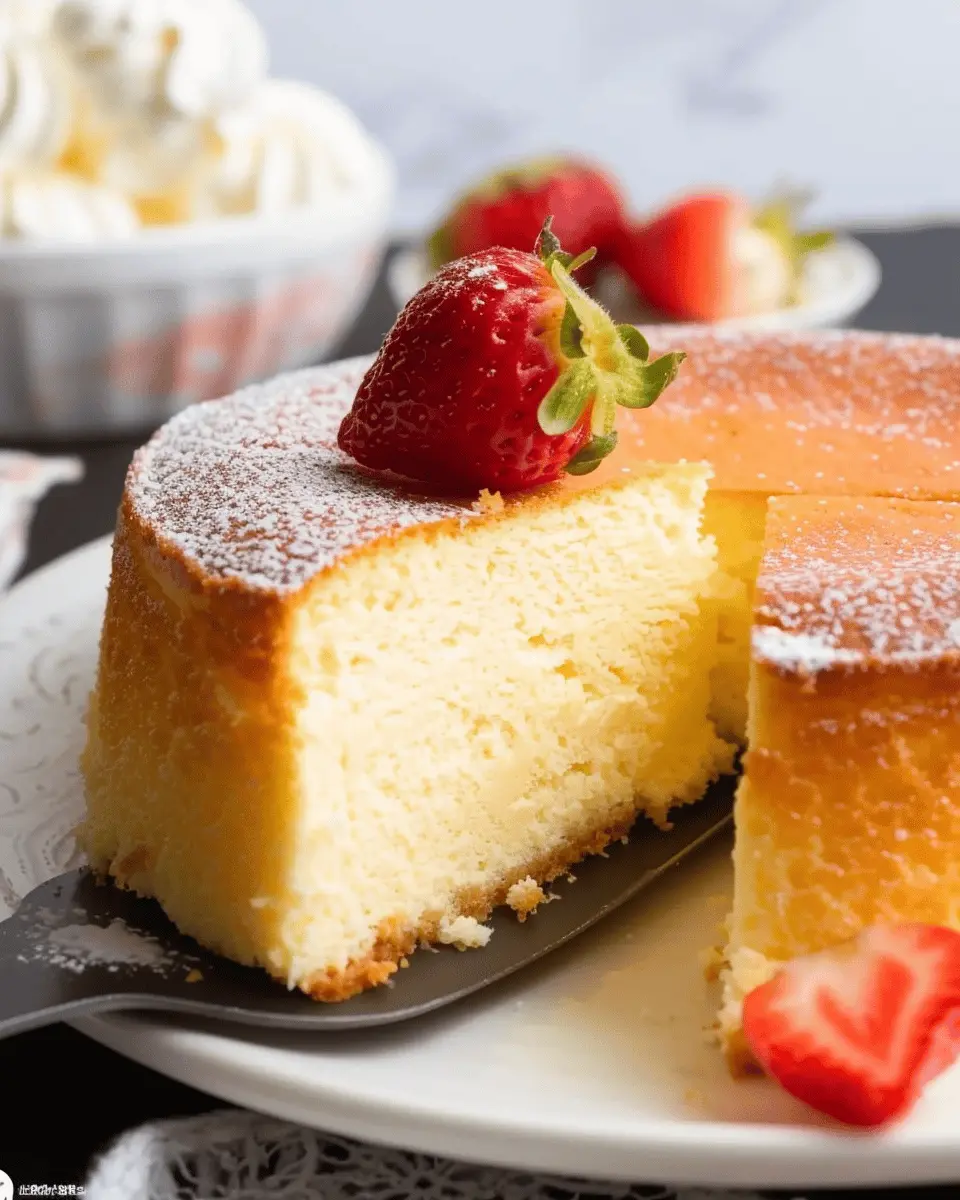
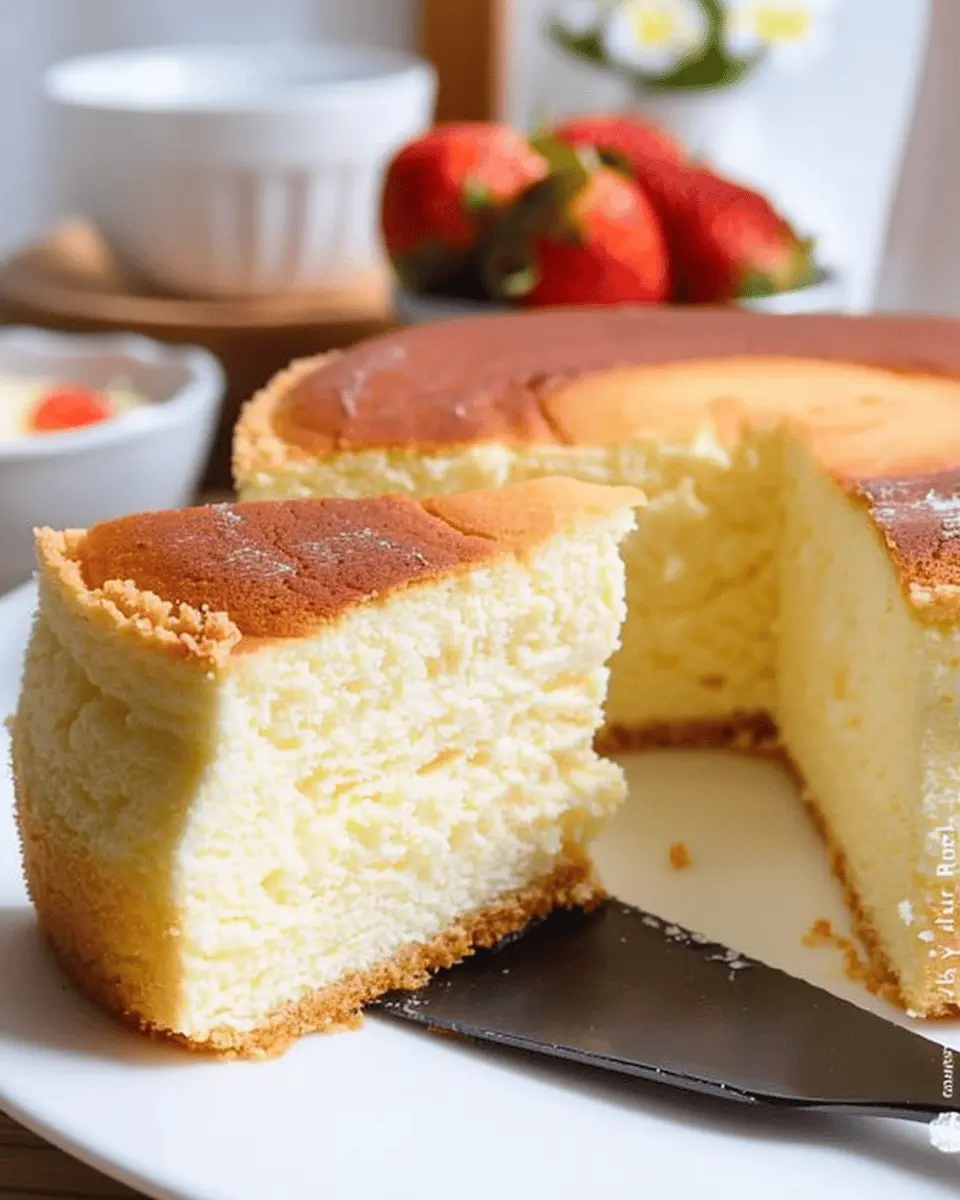
Have you ever wondered why Japanese cheesecake has garnered such a devoted following? This delightful dessert, often referred to as “cotton cheesecake” or “soufflé cheesecake,” has captivated taste buds worldwide with its fluffy texture and subtly sweet flavor. Unlike traditional cheesecakes that are dense and rich, Japanese cheesecake boasts a lightness that makes it feel almost ethereal.
What makes Japanese cheesecake so special?
The magic begins with its unique ingredient combination and baking method. Essentially, it’s a fusion of cream cheese, eggs, sugar, and flour, but the real star is the whipped egg whites that create an airy batter. As the cheesecake bakes, it puffs up like a soufflé, resulting in a cloud-like texture that practically melts in your mouth. This airy quality is something you won’t find in typical cheesecakes, making it a must-try for any dessert lover.
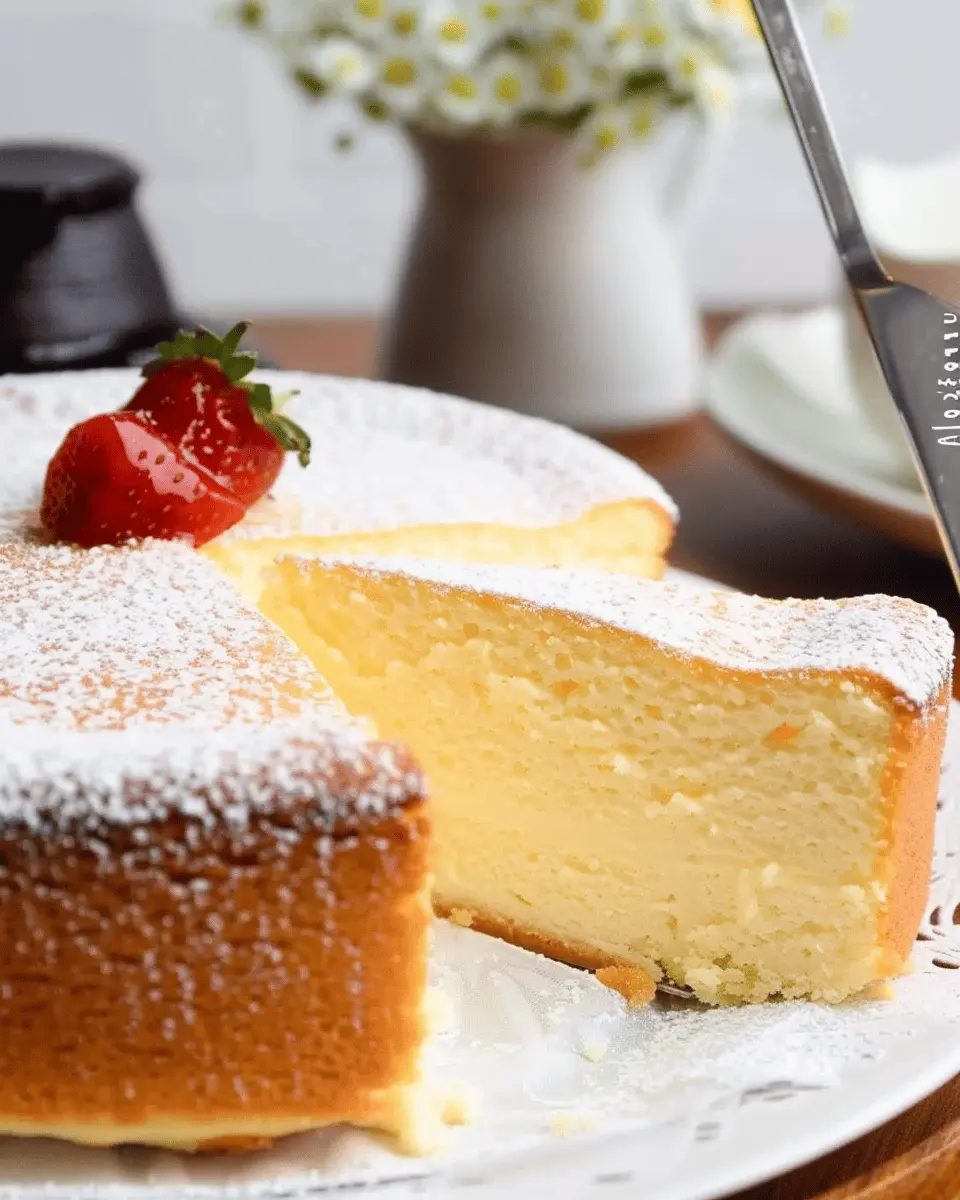
In addition to its incredible texture, the flavor of Japanese cheesecake is another reason it stands out. It strikes the perfect balance between sweetness and creaminess, offering a gentle hint of cheese without overwhelming your palate. While traditional cheesecakes can be quite rich, this variation is refreshingly light, making it an excellent choice for any occasion – from casual gatherings to more formal celebrations. Just imagine serving it with a light dusting of powdered sugar or a drizzle of fruit coulis for an elegant finish!
Another reason for the cult status of Japanese cheesecake is its ease of preparation. If you’re an aspiring home cook, this recipe is perfect for you. It requires just a handful of ingredients and basic baking skills, yet it yields a dessert that looks and tastes like it was made in a high-end bakery.
For more insights into the world of Japanese desserts, consider checking out Tokyo Cheapo for a deeper dive into culinary traditions.
In the following sections, you’ll find a detailed recipe for making your own heavenly Japanese cheesecake, along with tips and tricks to achieve that perfect soufflé-like rise. Now, let’s get started!
Ingredients for Japanese Cheesecake
Essential ingredients for a fluffy cheesecake
To whip up a light and airy Japanese cheesecake, you’ll need a few essential ingredients:
- Cream cheese: The star of the show! Aim for full-fat cream cheese for that rich flavor.
- Eggs: Fresh eggs are crucial; they help achieve that beautiful rise and fluffiness.
- Sugar: Granulated sugar sweetens the mix, making each bite delightful.
- Cake flour: This will give your cheesecake the perfect structure while keeping it tender.
- Milk: Whole milk adds moisture to the batter, creating a creamy texture.
- Lemon juice: A splash of acidity helps balance the richness and adds a refreshing note.
These ingredients come together to create a Japanese cheesecake that’s not only delicious but also has that signature jiggle!
Optional toppings to enhance your dessert
While the cheesecake is delectable on its own, toppings can elevate it even further:
- Whipped cream: A dollop on top adds lightness.
- Fresh fruit: Strawberries or blueberries offer a pop of color and flavor.
- Chocolate sauce: For those with a sweet tooth, a drizzle can be heavenly.
If you want to learn even more about how these ingredients work together, check out this guide on cheesecake flavors for some inspiration! With these simple ingredients and toppings, you’ll be well on your way to impressing your guests with your delightful Japanese cheesecake.
Preparing Japanese Cheesecake
Making a traditional Japanese cheesecake can seem daunting, but trust me, it’s manageable with the right approach. This light, fluffy delight is not only a treat for the taste buds but also a feast for the eyes. Below, I’ll guide you through each step in a way that feels approachable and straightforward.
Gather Your Equipment
Before diving into the world of baking, it’s essential to have all your tools ready. Here’s what you’ll need:
- Mixing bowls: Opt for different sizes, preferably stainless steel for better heat conduction.
- Whisk or hand mixer: A hand mixer simplifies the meringue process, but a whisk gives you good exercise!
- Rubber spatula: Perfect for folding the batter and meringue together gently.
- Springform pan: This allows easy removal of your cheesecake.
- Baking tray: You’ll be using this to create a water bath for even baking.
- Parchment paper: To line the bottom of your pan and prevent sticking.
- Kitchen scale: Accurate measurements are crucial for baking.
With your tools neatly in place, you’re just steps away from enjoying a slice of Japanese cheesecake.
Make the Cheesecake Batter
Now onto the fun part—making the batter! For this, we need cream cheese, eggs, sugar, and a few more ingredients. Here’s a simple breakdown:
- Start by melting cream cheese and butter in a heatproof bowl over a pan of simmering water (this is known as a double boiler). Stir until everything is smooth and creamy.
- In a separate bowl, whisk together sugar and eggs until the mixture is pale and fluffy. If you have a stand mixer, that can save some effort here!
- Combine the melted cream cheese with the egg mixture, then add flour (all-purpose works best) and a splash of fresh lemon juice to elevate the flavor.
This batter should be smooth and silky. If you’re feeling adventurous, consider incorporating a dash of vanilla extract for additional depth.
Prepare the Meringue
This step is crucial for that characteristic fluffiness we love in Japanese cheesecake. Here’s how to whip up a perfect meringue:
- In a clean bowl, whip egg whites at medium speed until foamy.
- Gradually add sugar, continuing to whip until stiff peaks form. This is where your hand mixer shines!
- The meringue should be glossy and hold its shape well—perfect for folding into the batter.
Why not experiment with the speed of your mixer? Finding the rhythm that suits you can make the meringue process even more enjoyable.
Combine the Batter and Meringue
This stage requires a gentle touch. Here’s how to harmonize that luscious batter with your fluffy meringue:
- First, add a third of the meringue to the cheesecake batter. Gently fold it in with a spatula. This helps lighten the dense batter.
- Once incorporated, gradually fold in the remaining meringue. It’s essential to do this delicately; you want to maintain that airy texture.
An even consistency ensures that every bite of your Japanese cheesecake is soft and cloud-like.
Bake the Cheesecake in a Water Bath
The final step is to bake the cake using a water bath, ensuring that it cooks evenly while retaining moisture. Here’s how:
- Preheat your oven to the required temperature and prepare your springform pan by wrapping it in aluminum foil. This prevents water from leaking in.
- Place the cake batter into the pan and then transfer it to a larger baking tray filled with hot water (about halfway up the side of the springform).
- Bake until the cheesecake sets but still has a slight jiggle in the center.
Check out more baking tips for water baths on Serious Eats.
After it’s done, allow it to cool gradually to room temperature. This helps prevent cracks and secures that dreamy texture.
With these steps carefully followed, your Japanese cheesecake will emerge from the oven ready for a slice—or two—of bliss!
Variations on Japanese Cheesecake
Japanese cheesecake is delightfully versatile, making it perfect for a range of flavor profiles. Let’s explore two scrumptious variations: matcha and fruit-infused Japanese cheesecake, which elevate this classic treat into something uniquely special.
A Flavorful Twist: Matcha Japanese Cheesecake
If you’re a lover of green tea, you’ll absolutely adore matcha Japanese cheesecake. This variation brings together the light and fluffy texture of traditional cheesecake while infusing it with the rich, earthy flavor of matcha green tea powder. The subtle bitterness of matcha balances the cheesecake’s sweetness beautifully.
To whip up this delightful version:
- Ingredients: Replace a portion of the cream cheese with matcha powder, about 1–2 tablespoons, depending on your taste preference.
- Method: Incorporate the matcha directly into your batter—this can create a stunning green hue.
Not only does it taste fantastic, but matcha is packed with antioxidants, making this dessert a little healthier. For a deeper dive into the benefits of matcha, check out sources like Healthline.
Fruity Delight: Fruit-Infused Japanese Cheesecake
Another delicious variation is the fruit-infused Japanese cheesecake. You can easily customize the flavor by adding your favorite fruits. Whether using fresh strawberries, mango, or blueberries, this is a great way to bring seasonal produce into your kitchen!
To make a vibrant fruit-infused version:
- Ingredients: Puree about ½ cup of your chosen fruit and fold it into the batter for a fruity twist. You can also garnish the top with fresh slices.
- Tip: Consider swirling the puree through the batter for a stunning marbled effect.
This fruity twist not only enhances flavor but also introduces natural sweetness and brightness to the cheesecake. Not sure which fruits pair best? Explore seasonal options in your local farmer’s market or online.
Embrace the variations, and don’t hesitate to experiment with flavors and toppings. Happy baking!
Baking Notes for Japanese Cheesecake
Tips for Achieving the Perfect Fluffiness
Getting your Japanese cheesecake to that heavenly, fluffy texture can be a challenge, but it’s totally worth it! Here are some handy tips:
- Room Temperature Ingredients: Make sure your cream cheese and eggs are at room temperature. This ensures even mixing, preventing lumps that can weigh down your cheesecake.
- Whip Your Egg Whites: Beat those egg whites until they form stiff peaks. This step is crucial for incorporating air, contributing to that light, airy structure.
- Gentle Folding: When you fold the egg whites into the batter, be careful. A gentle touch helps preserve the bubbles you’ve created, leading to a fluffier final product.
Common Pitfalls to Avoid
Even seasoned bakers can stumble with Japanese cheesecake. Here are some common mistakes:
- Overmixing: Avoid overmixing your batter after adding the egg whites. This can deflate the mixture, resulting in a denser cake.
- Oven Temperature: Baking at the right temperature is essential. Too high, and the cheesecake can crack; too low, and it won’t rise properly. Use an oven thermometer for accuracy.
- Cooling Properly: Letting your cheesecake cool slowly in the oven with the door cracked can prevent unsightly cracks. It’s tempting to rush this step, but patience pays off!
For more tips, check out Serious Eats for expert advice on cheesecake baking.
Serving suggestions for Japanese Cheesecake
Enjoying the cheesecake warm versus chilled
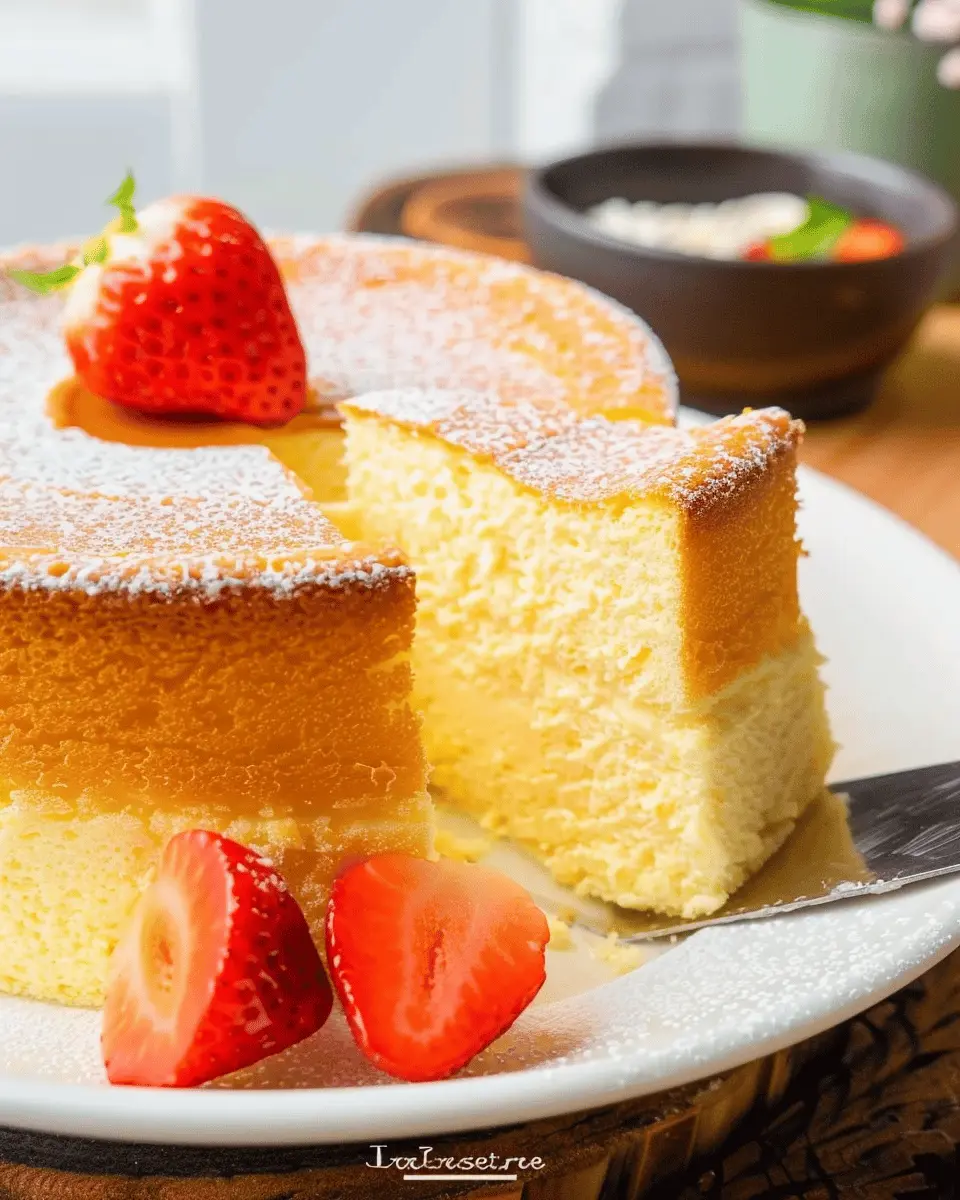
When it comes to enjoying Japanese cheesecake, personal preference plays a significant role. Some people love it warm, fresh out of the oven, when its texture is ethereal, almost like a soufflé. The warmth enhances the creamy flavor, creating a delightful experience that melts in your mouth. On the other hand, chilling the cheesecake allows the flavors to deepen as it firms up, making it elegantly sliceable. Serve it cold for a refreshing treat, perfect after a rich meal.
Presentation ideas for special occasions
A visually appealing dessert elevates any gathering. Here are some ideas to make your Japanese cheesecake shine:
- Fresh Fruits: Top it with seasonal fruits like strawberries, blueberries, or kiwi for a pop of color and freshness.
- Whipped Cream: A dollop of lightly sweetened whipped cream adds a classic touch.
- Caramel or Chocolate Sauce: Drizzle either sauce on the plate for a gourmet feel that contrasts with the cheesecake’s lightness.
For a festive touch, consider decorating with edible flowers or serving slices in elegant dessert cups. A beautiful presentation can make your cheesecake the star of the show!
For more serving ideas and inspiration, check out this resource.
Tips for Making Perfect Japanese Cheesecake
Equipment Recommendations
To create the fluffiest and most delightful Japanese cheesecake, start with the right tools. A springform pan is essential, allowing for easy removal without damage. Pair this with an electric mixer for whipping egg whites to perfection, achieving that light and airy texture. Also, don’t forget a kitchen scale—precise measurements are key for this delicate recipe. A water bath setup, which includes a larger roasting pan filled with water, will help regulate the baking temperature, ensuring even cooking and preventing a cracked surface.
Adjustments for Different Baking Environments
Baking can vary greatly depending on your environment. If you’re in a high-altitude location, consider reducing sugar slightly, as ever thinner air can make your Japanese cheesecake rise unpredictably. Conversely, in humid conditions, you might want to increase baking time slightly to account for moisture.
Using a thermometer helps ensure the internal temperature of your cheesecake reaches around 160°F (71°C). This not only guarantees a safe bake but also a perfect creamy texture. Don’t be afraid to experiment with your oven, noting how different environments influence your baking results—every oven has its quirks!
For more baking tips tailored to your environment, check out resources like King Arthur Baking or Serious Eats. Happy baking!
Time details for Japanese Cheesecake
When it comes to whipping up a delightful Japanese cheesecake, understanding the time commitment is key to ensuring success. Here’s a quick breakdown of what to expect.
Preparation time
First things first, set aside about 20-30 minutes for preparation. This includes gathering your ingredients, separating eggs, and mixing the batter. Make sure to read through the recipe beforehand to streamline the process.
Baking time
Now, for baking your Japanese cheesecake, you’ll need around 50-60 minutes. The baking has a gentle, slow pace to create that fluffy texture everyone loves. The secret is in the water bath, so be sure to take your time!
Cooling time
Lastly, give your cheesecake ample cooling time. Allow it to cool in the pan for about 1 hour, then transfer it to the fridge and chill for at least 4 hours, preferably overnight. This step is crucial for achieving that perfect texture!
For more delicious recipes, check out platforms like Serious Eats and Bon Appétit. Happy baking!
Nutritional Information for Japanese Cheesecake
When you indulge in a slice of Japanese cheesecake, it’s good to be aware of what you’re treating yourself to. Here’s a quick overview of its nutritional benefits:
Calories
A typical slice of Japanese cheesecake contains around 220 calories. This can vary based on your specific recipe and serving size, but it’s relatively light compared to many other desserts, making it a deliciously guilt-free option.
Protein
One of the delightful aspects of Japanese cheesecake is its protein content. Each slice provides about 6 grams of protein—thanks to the eggs and cream cheese. This can be a great way to satisfy your sweet tooth while still getting a bit of a protein boost!
Sodium
When it comes to sodium, a slice generally has around 150 mg. While this is moderate, keep in mind your total daily intake should ideally be below 2,300 mg. So, if you’re enjoying this treat, balance it with meals lower in sodium throughout the day.
By understanding the nutritional aspects of Japanese cheesecake, you can fully enjoy every luscious bite while maintaining a balanced diet. Want to dive deeper into the health benefits of other desserts? Check out Healthline for more insights!
FAQs about Japanese Cheesecake
Japanese cheesecake has captured the hearts (and taste buds) of many with its delightful fluffiness and unique texture. If you’re new to this treat or just want to know more, you’ve come to the right place!
How do I store leftover Japanese cheesecake?
To keep your Japanese cheesecake fresh, store it in an airtight container in the refrigerator. It’s best enjoyed chilled, so take it out about 30 minutes before serving to allow it to reach that perfect creamy texture. Typically, it can last up to 3-4 days in the fridge. Just remember to keep it covered to prevent it from absorbing any odors from your fridge!
Can I freeze Japanese cheesecake?
Yes, you can absolutely freeze Japanese cheesecake! To do so, wrap individual slices with plastic wrap and then place them in a freezer-safe container. This way, you can enjoy a slice whenever the craving strikes! Just make sure to consume it within 1-2 months for the best taste and texture. To thaw, move it to the refrigerator for a few hours or let it sit at room temperature for about 30 minutes.
What’s the difference between Japanese cheesecake and regular cheesecake?
The main difference lies in the texture and ingredients. Japanese cheesecake is lighter and fluffier, akin to a soufflé, thanks to the incorporation of meringue into the batter. Traditional cheesecakes, on the other hand, tend to be denser and creamier, often made with cream cheese, sugar, and eggs. If you’re curious, you can explore more about these distinctions on culinary websites like Serious Eats.
With these tips, you’ll be well-equipped to enjoy and even share your Japanese cheesecake. Happy baking!
Conclusion on Japanese Cheesecake
Why You Should Try Making Japanese Cheesecake at Home
Crafting your own Japanese cheesecake offers a delightful experience that’s both rewarding and delicious. The unique, fluffy texture and subtle sweetness of this dessert are unlike any traditional cheesecake. Plus, making it from scratch allows you to customize flavors and ensure freshness. It’s perfect for impressing guests or simply enjoying a slice yourself!
If you’re new to baking or a seasoned pro, this recipe is approachable and fun. The gentle folding technique is a great way to hone your skills while creating something truly special. Why not give it a try? You might discover a new favorite dessert! For tips on serving and pairing, check out resources like Serious Eats for inspiration.
PrintJapanese Cheesecake: The Best Light and Fluffy Recipe You’ll Love
Japanese cheesecake is a light and fluffy dessert that is loved for its airy texture and rich flavor. This recipe will guide you in creating the perfect treat.
- Prep Time: 20 minutes
- Cook Time: 60 minutes
- Total Time: 80 minutes
- Yield: 8 servings 1x
- Category: Dessert
- Method: Baking
- Cuisine: Japanese
- Diet: Vegetarian
Ingredients
- 1 cup cream cheese
- 1/2 cup granulated sugar
- 1/4 cup milk
- 3 large eggs
- 1 tablespoon lemon juice
- 1/4 cup all-purpose flour
- 1 tablespoon cornstarch
Instructions
- Preheat your oven to 320°F (160°C).
- In a bowl, mix cream cheese and sugar until smooth.
- Add milk, eggs, and lemon juice, mixing well.
- Sift in the flour and cornstarch, combining until there are no lumps.
- Pour the batter into a prepared baking pan.
- Bake for 60 minutes or until the top is golden and a toothpick comes out clean.
- Let it cool in the oven with the door slightly open.
Notes
- For best results, use room temperature ingredients.
- Make sure to let the cheesecake cool slowly to prevent cracking.
Nutrition
- Serving Size: 1 slice
- Calories: 240
- Sugar: 10 grams
- Sodium: 180 milligrams
- Fat: 16 grams
- Saturated Fat: 10 grams
- Unsaturated Fat: 3 grams
- Trans Fat: 0 grams
- Carbohydrates: 20 grams
- Fiber: 0 grams
- Protein: 5 grams
- Cholesterol: 120 milligrams
Keywords: Japanese Cheesecake