





Outline for “How to Make Pici Cacio e Pepe”
When diving into the comforting world of Italian cuisine, few dishes capture the essence of simplicity and flavor quite like Pici Cacio e Pepe. For young professionals looking to elevate their culinary game, this dish not only serves as a delightful meal but also as an engaging cooking experience. This outline will guide you through what to expect in the recipe article, “How to Make Pici Cacio e Pepe.”
Understanding Pici Cacio e Pepe
Before we get into the nitty-gritty of the recipe, it’s essential to grasp what makes Pici Cacio e Pepe so special. This traditional Tuscan dish features an enchanting combination of hand-rolled pasta, rich cheese, and pepper, creating a beautifully balanced and satisfying meal. What’s more, it’s a one-pot wonder that can be whipped up quickly, making it a perfect choice for busy weeknights.
You might wonder, why go for homemade Pici? Well, according to Italian food culture experts, making pasta from scratch not only enhances taste but also provides a wonderful way to bond with friends or family.
The Ingredients You’ll Need
To embark on your culinary journey, here’s a breakdown of the key ingredients you’ll need for how to make Pici Cacio e Pepe:
- Flour: All-purpose flour or semolina flour for the pasta
- Water: Just enough to bind your dough
- Salt: A pinch for flavor
- Cheese: Pecorino Romano, finely grated
- Black Pepper: Freshly cracked for that signature kick
- Turkey Bacon (optional): For a deliciously savory twist
- Chicken Ham (optional): Adds an extra layer of flavor
- Beef Broth (optional): Can be used for added depth
Using high-quality ingredients is crucial to the dish’s success, particularly when it comes to the cheese and pepper.
Making the Dough
Once you have your ingredients assembled, it’s time to roll up your sleeves and make that dough!
- Combine the Ingredients: In a large mixing bowl, combine the flour and a pinch of salt. Slowly add water, mixing until a rough dough forms.
- Knead the Dough: Transfer it to a floured surface and knead for about 10 minutes until it’s smooth and elastic.
- Let it Rest: Wrap the dough in plastic wrap and let it rest for at least 30 minutes. This step is crucial—it allows the gluten to relax, making the dough easier to roll.
Rolling and Shaping the Pici
So, how to make Pici Cacio e Pepe stand out? It all begins with shaping the pasta:
- Divide the Dough: Once your dough has rested, cut it into manageable pieces.
- Roll into Strands: Roll each piece into long, thin strands. Aim for about the thickness of a pencil.
- Keep Them Floured: Dust the strands lightly with flour to prevent sticking.
Pici pasta is typically thicker than spaghetti, resulting in a delightful bite. Plus, the rough surface of the handmade pasta holds the sauce beautifully.
Preparing the Sauce
Now that your Pici is ready to be cooked, let’s focus on the sauce that truly makes this dish shine:
- Cook the Pasta: Boil your Pici in salted water until al dente. Don’t forget to reserve some pasta water!
- Create the Sauce: In a large skillet over medium heat, combine the grated Pecorino Romano and a generous amount of freshly cracked black pepper, adding the reserved pasta water gradually to create a smooth sauce.
- Combine: Once the Pici is cooked, add it directly to the skillet, tossing to coat the pasta thoroughly.
When preparing the sauce, a common mistake is adding too much water or cheese. The key is balance. The goal is to get a creamy texture while allowing the flavors to shine through.
Adding Turkey Bacon and Chicken Ham
If you’re feeling adventurous, consider adding Turkey Bacon and Chicken Ham to your dish for an extra punch of flavor.
- Cooking the Meats: In a separate pan, sauté chopped Turkey Bacon and Chicken Ham until crispy.
- Mixing it all Together: Toss these savory pieces into your Cacio e Pepe just before serving. This addition not only offers texture but brings a hint of savory delight to the dish.
Serving Your Pici Cacio e Pepe
Presentation is key when it comes to serving Pici Cacio e Pepe. Here are a few tips:
- Use a Large Serving Bowl: Show off your Pici’s beautiful appearance and invite your guests to help themselves.
- Garnish: Finish with more grated Pecorino and an extra crack of black pepper.
- Serve with Broth (optional): A side of beef broth can act as a comforting dip, elevating the meal.
Expert Tips for Success
- Quality of Cheese: Ensure you use authentic Pecorino Romano—it’s a game-changer!
- Pasta Water is Key: It’s your secret weapon for achieving that creamy sauce with just the right consistency.
- Use Fresh Ingredients: Freshly cracked pepper and high-quality cheese can elevate even the simplest dish.
Wrapping Up: Your Next Culinary Adventure
Making Pici Cacio e Pepe isn’t just about creating a meal; it’s about embracing a delightful experience, sharing, and learning along the way. So whether you’re cooking solo or inviting friends over, this dish is guaranteed to impress. Plus, you’ll find that mastering how to make Pici Cacio e Pepe puts you one step closer to becoming a pro in Italian cooking.
Curious about other Italian staples to try next? Check out resources like America’s Test Kitchen for more inspiration and expert techniques.
Engaging cooking experiences await you; it’s time to get those pots and pans sizzling!
Introduction to Pici Cacio e Pepe
A brief history of Cacio e Pepe
When we dive into the heart of Italian cuisine, Cacio e Pepe stands out as a real legend. Originating from Rome, this classic dish has been enjoyed since ancient times, with simple yet satisfying ingredients that prioritize quality and flavor. Traditionally, it’s made using just three key components—cheese, black pepper, and pasta—but it has a rich backstory that ties it to humble beginnings when it was a favorite among shepherds. They would prepare it on the go, with basic pantry staples, showcasing how the simplest ingredients can come together to create something extraordinary. If you’re interested in learning more about this iconic dish, check out this insightful article that delves into its fascinating history.
Why Pici pasta is the perfect choice
As you explore how to make Pici Cacio e Pepe, you’ll quickly discover that Pici pasta is the star of the show. Hailing from the Tuscany region, Pici are long, hand-rolled strands of pasta that offer a delightful chewiness, making them perfect for binding with the rich, creamy cheese and pepper sauce. Unlike more commercial pasta, Pici’s rustic texture holds onto the sauce beautifully, enhancing each bite with flavor. Whether you’re a pasta aficionado or a novice in the kitchen, mastering Pici is a rewarding experience worth trying!
The magic of just three ingredients
What makes Cacio e Pepe so endearing is its simplicity. With just three ingredients—pecorino cheese, black pepper, and, of course, Pici—you can whip up a dish that speaks volumes about Italian culinary philosophy. The secret lies in the quality and balance. The sharpness of the pecorino meets the warmth of freshly cracked black pepper, delivering a symphony of flavors that dances on the palate. Isn’t it amazing how something so simple can evoke such joy? As you embark on your journey to recreate this dish at home, remember: the beauty of Cacio e Pepe is in the details—choose the best ingredients, and the results will speak for themselves!
By immersing yourself in the world of Pici Cacio e Pepe, you not only get to enjoy a delicious meal but also connect with the rich culture and traditions of Italy. So, are you excited to get started? Let’s dive into the recipe!
Ingredients for Pici Cacio e Pepe
Essential ingredients you’ll need
To create the perfect Pici Cacio e Pepe, you’ll need a handful of simple yet quality ingredients:
- Pici Pasta: This traditional Tuscan hand-rolled pasta is the star of the dish. If unavailable, you can substitute with a similar thick pasta like spaghetti.
- Pecorino Romano: A key ingredient, this sharp, salty cheese will elevate your dish. Grate it fresh for the best flavor.
- Black Pepper: Freshly cracked for a robust taste, this adds the perfect spice.
- Olive Oil: Use a good quality extra virgin olive oil to enhance the dish’s richness.
- Salt: Just a pinch to lightly season the pasta water.
Substitutions and variations
You might be wondering, “How can I put my own spin on this classic recipe?” Here are a couple of ideas:
- Replace Pecorino with Parmesan if you prefer a milder cheese.
- For a twist, consider adding Turkey Bacon or Chicken Ham for a slight crunch and depth of flavor.
- If you need a gluten-free option, try using gluten-free pasta.
Feeling adventurous? Explore more recipes on Serious Eats or Bon Appétit for alternative pasta dishes!
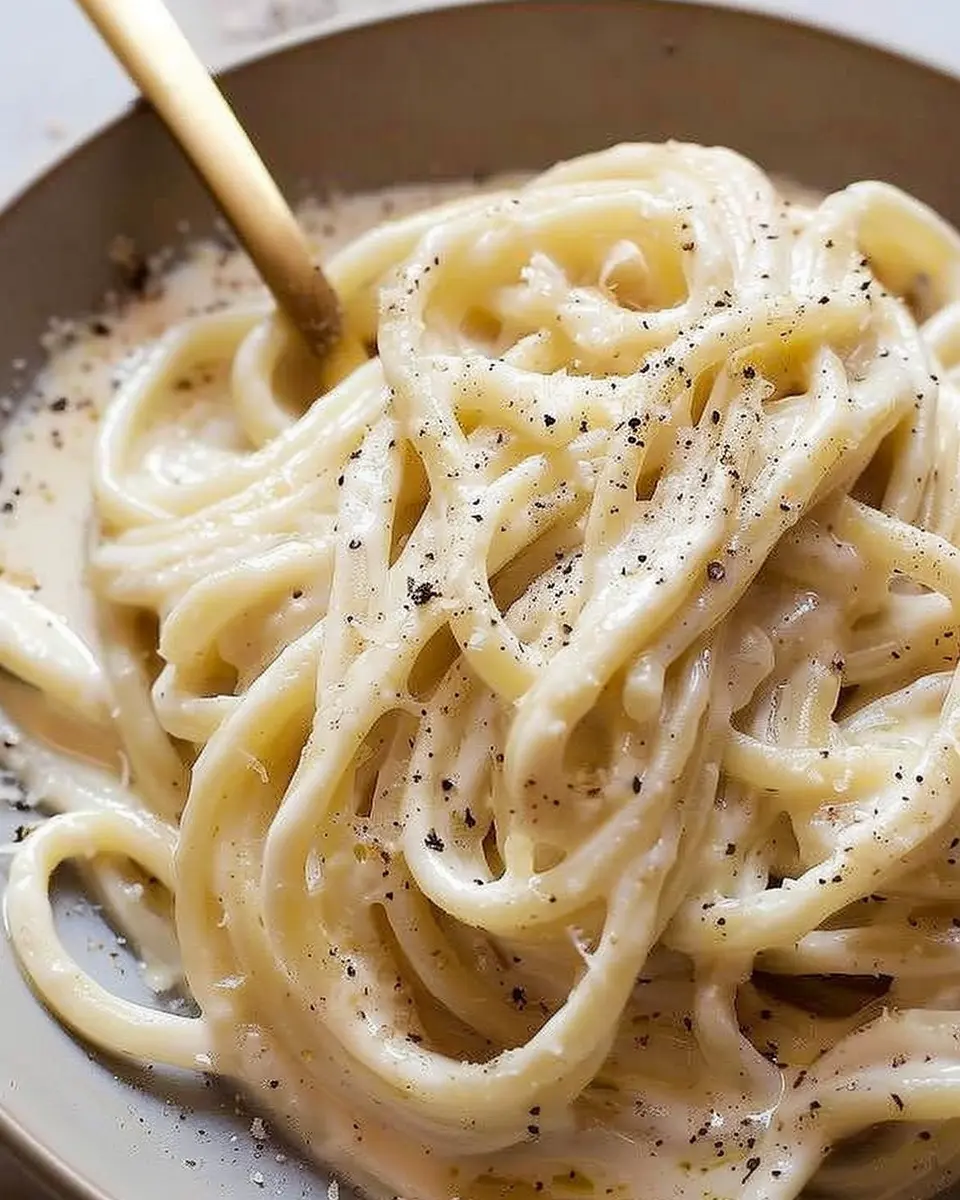
Step-by-Step Preparation of Pici Cacio e Pepe
Making Pici Cacio e Pepe is a delightful culinary journey that showcases simplicity combined with rich flavors. This dish is not only beloved in Tuscany but is also a favorite among anyone who appreciates Italian cuisine. Let’s dive into the step-by-step preparation so you can impress your friends and family with your newfound skills!
Gather your Ingredients
Before you embark on this flavorful adventure, it’s essential to have all your ingredients ready. For Pici Cacio e Pepe, you’ll need:
- Pici pasta (homemade or store-bought)
- Pecorino Romano cheese, finely grated
- Freshly ground black pepper
- Salt, for seasoning the pasta water
- Extra virgin olive oil (a drizzle for serving)
It’s amazing how just a few ingredients can come together to create something incredible. Quality is key here, especially with the cheese—consider using a high-quality Pecorino Romano for an authentic taste.
Preparing the Pici Pasta
If you’re making homemade Pici, start by mixing equal parts of flour and water to create a simple dough. Knead it until it is smooth and elastic—a process that typically takes about 5-10 minutes. Let the dough rest for at least 30 minutes. After resting, roll it out into long ropes about the thickness of a pencil. Cut to your desired length and place the strands on a floured surface to dry slightly.
If you’re opting for store-bought Pici, simply follow the cooking instructions on the package, but note that fresh variants will offer a superior texture.
Toast the Black Pepper
This step is crucial in learning how to make Pici Cacio e Pepe. In a dry pan over medium heat, add the freshly ground black pepper and toast it for about 1-2 minutes. This process will awaken the essential oils and bring out a robust flavor, vastly enhancing the dish. You’ll notice a beautiful aroma—don’t skip this step!
Combining Pasta with the Pepper
Once your Pici is cooked al dente (usually 5-8 minutes), reserve a cup of the cooking water before draining. Add the hot Pici directly to the pan with the toasted black pepper. Toss it around to ensure every strand is coated in that smoky goodness. Gradually add a bit of the reserved pasta water to help distribute the flavors evenly, creating a delicate sauce.
Creating the Creamy Cheese Sauce
In a bowl, mix the finely grated Pecorino Romano cheese with a few tablespoons of the reserved pasta water. Stir well until you achieve a smooth paste. This is a key step in the process of making Pici Cacio e Pepe creamy and indulgent. Slowly add this mixture to the pasta while tossing constantly to avoid clumps. The heat from the pasta will melt the cheese, resulting in a luscious sauce.
Bringing It All Together
At this stage, you’re almost there! Mix everything thoroughly, continuing to add pasta water as necessary until you achieve your desired creamy consistency. Taste and adjust the seasoning with salt, but remember that the Pecorino is salty as well, so go easy on it!
Final Touches and Plating
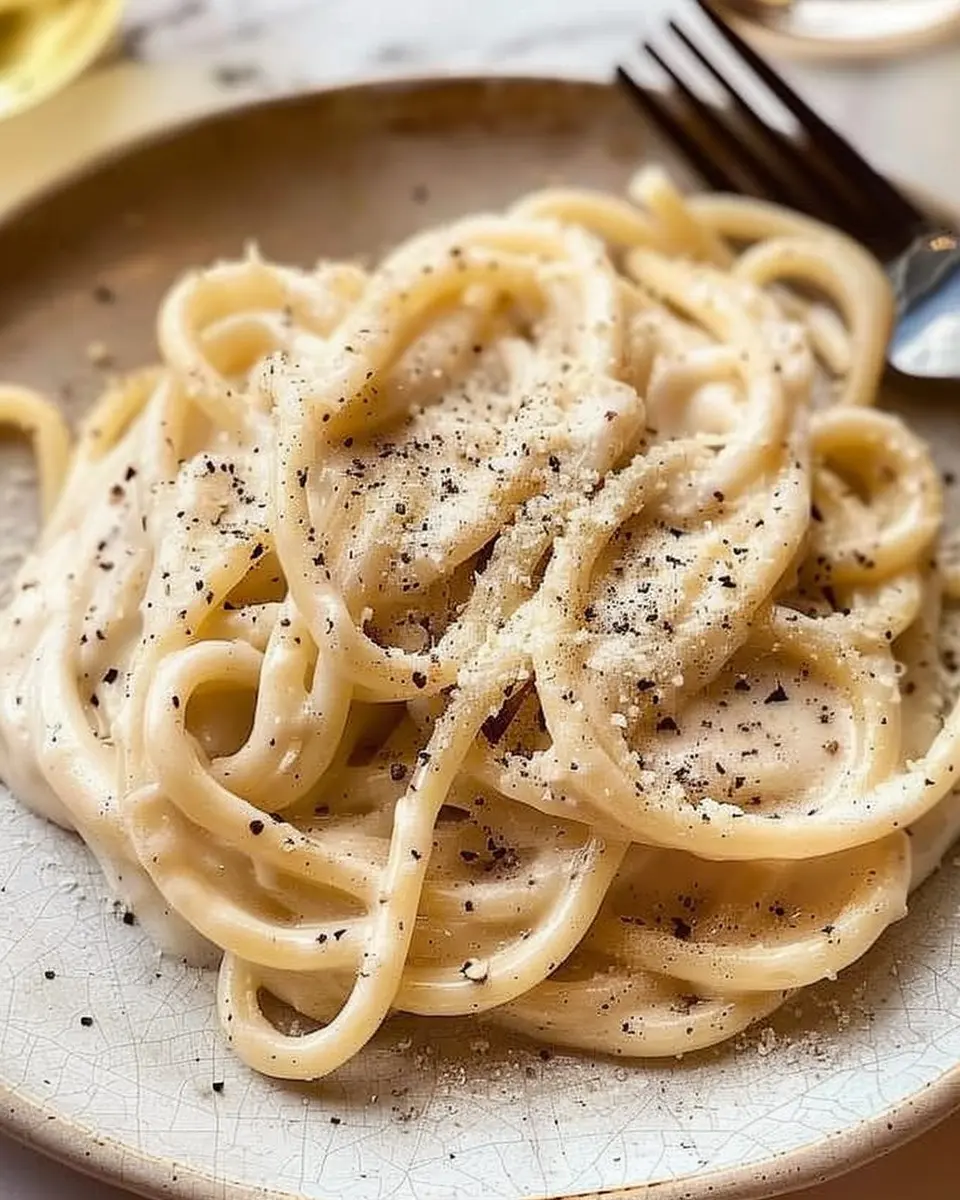
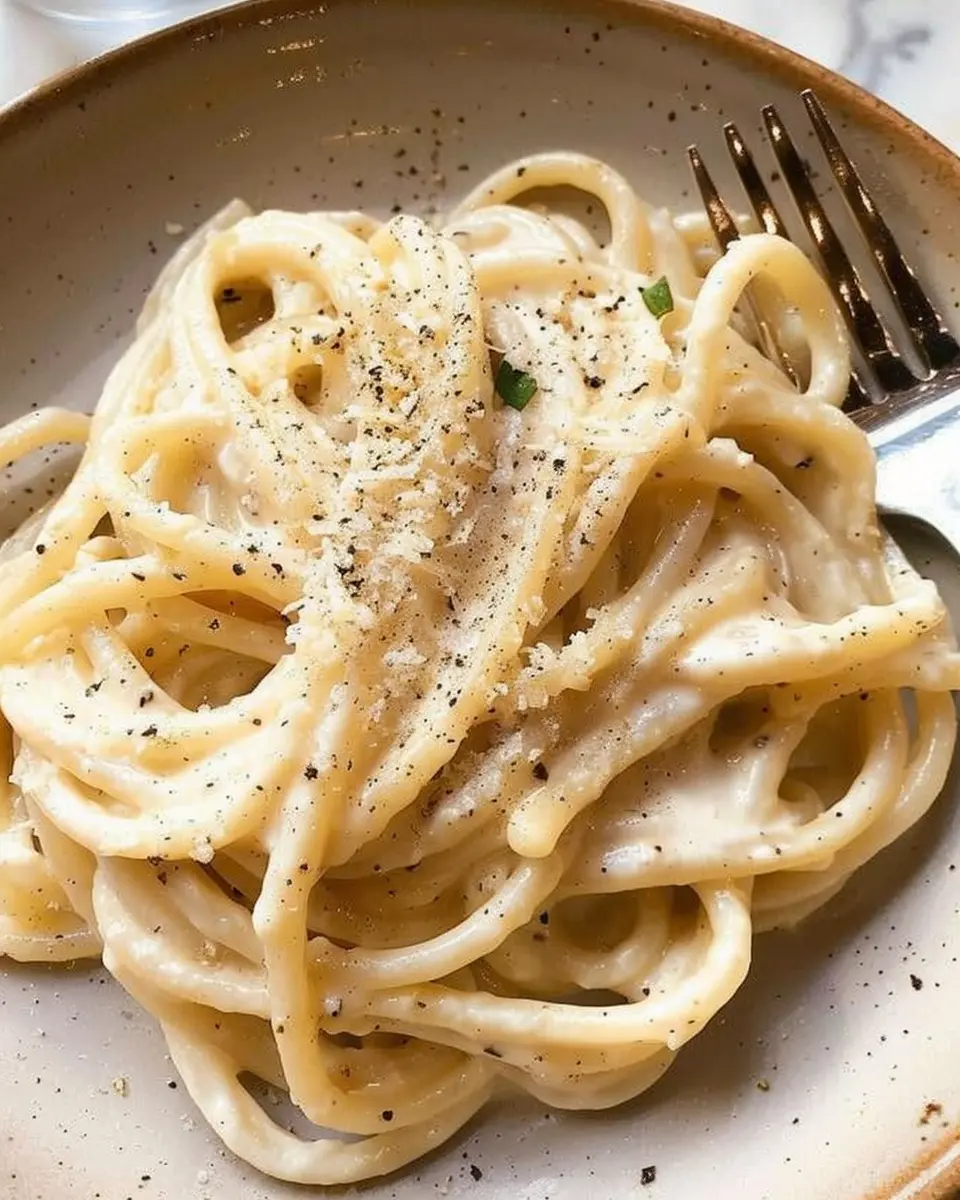
Just before serving, consider drizzling a bit of extra virgin olive oil over your pasta for added richness and flavor. Serve your Pici Cacio e Pepe in warmed bowls and garnish with an extra sprinkle of Pecorino and freshly cracked black pepper on top.
How wonderful is it to present a dish that looks as comforting as it tastes? The inviting aroma will surely have your guests lining up for seconds!
Now that you’ve mastered this simple yet rich dish, you might want to explore more Italian recipes. Cooking can transform gatherings and create cherished memories. Enjoy your culinary journey with Pici Cacio e Pepe! For more excellent pasta recipes, check out Serious Eats’ guide on pasta-making or Italian pasta traditions. Happy cooking!
Variations on Pici Cacio e Pepe
Exploring how to make pici cacio e pepe at home opens the door to a world of scrumptious variations. While the classic recipe is undoubtedly delicious, switching things up can lead to delightful new combinations that keep your palate excited.
Adding vegetables for a fresh twist
Vegetables can add both color and nutrition to your dish. Consider sautéing seasonal favorites like:
- Zucchini: Thinly sliced and lightly grilled adds tender bites.
- Spinach: Fresh or sautéed, it brings a vibrant green color.
- Mushrooms: Earthy flavors and chewy textures complement the creamy sauce beautifully.
These vegetables not only taste great but can elevate the dish visually, too. For a bit more inspiration, check out great vegetable pairing ideas from Cooking Light.
Incorporating proteins: chicken, turkey bacon, or beef
For those looking to make Pici Cacio e Pepe heartier, adding protein is an excellent option.
- Chicken: Grilled or roasted chicken provides a light, flavorful boost.
- Turkey Bacon: A smoky element, it’s perfect for adding richness without overwhelming the dish.
- Beef: Crumbled or sliced beef can add depth and substance.
Mix and match based on your preferences for easy customization.
Experimenting with different cheeses
While Pecorino Romano is the traditional choice, don’t hesitate to venture beyond the standard. A few alternatives include:
- Parmesan: Offers a nutty taste that contrasts beautifully.
- Asiago: A sharper flavor profile that complements the simplicity of the pici.
- Ricotta: For a creamy twist, it can create a different texture and richness.
By trying different cheeses, you can uncover exciting flavors that make every batch uniquely yours.
Experimenting with these variations not only enhances your dining experience but also celebrates the versatility of pasta!
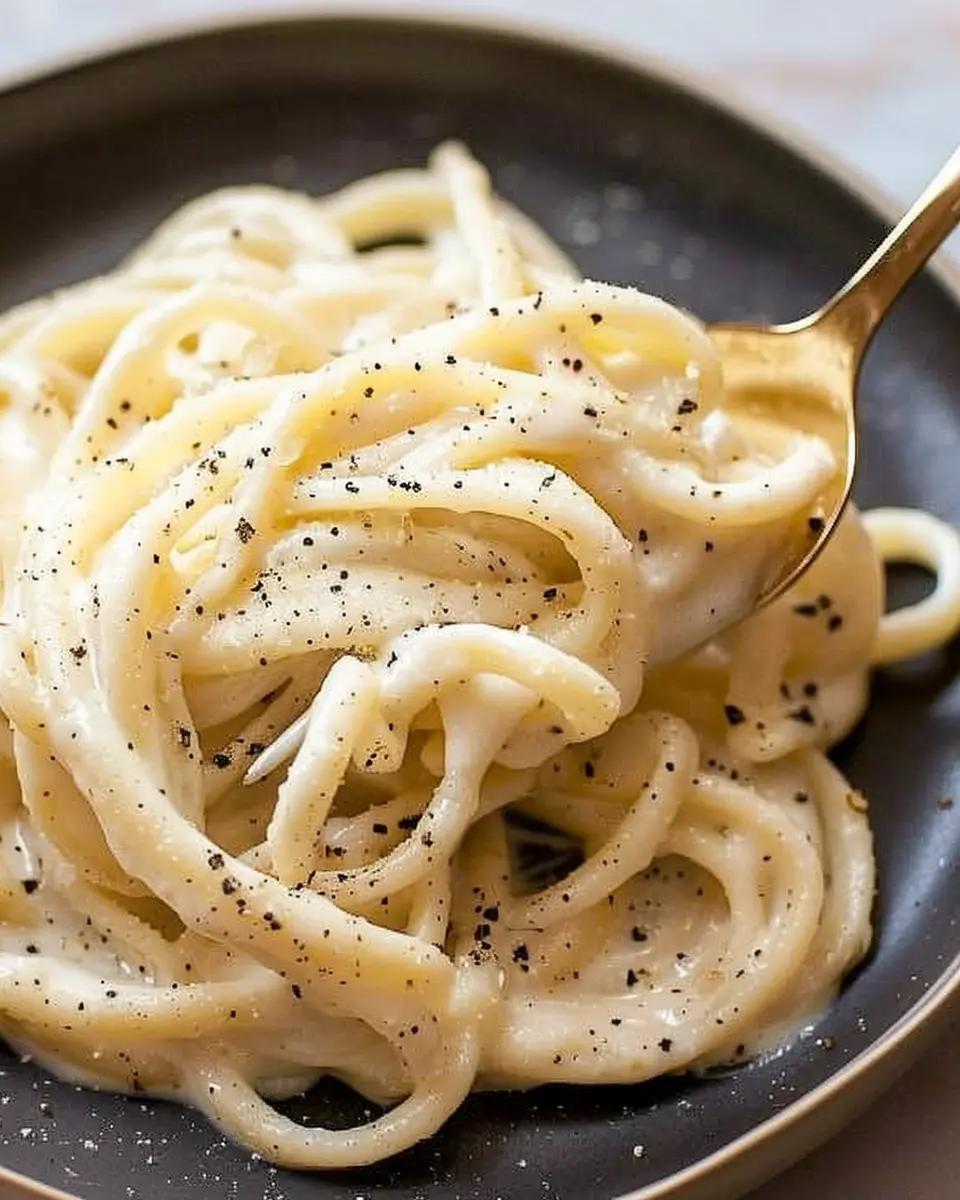
Cooking Tips and Notes for Pici Cacio e Pepe
Timing is everything
When making pici cacio e pepe, timing can make or break your dish. Aim to cook your pasta just until it’s al dente, which usually takes about 2-3 minutes less than the package recommends. Don’t forget to keep the sauce waiting—an ideal mixture should still be warm, ensuring everything blends perfectly.
The importance of pasta water
Never underestimate the power of pasta water! This liquid contains starch that helps emulsify the sauce, giving it that luxurious texture. Be sure to reserve about a cup before draining your pici. A bit of creamy pasta water stirred in will elevate your dish to a new level; it’s the secret sauce, so to speak!
Tips for achieving a silky sauce
To achieve a silky sauce, don’t skimp on tossing. As you add cheese and pasta water, keep stirring! Use a mix of freshly grated Pecorino Romano and Parmigiano-Reggiano for a balanced flavor and creaminess. The more love you put into the mixing, the more rewarding the result.
Want to dive deeper? Check out this food science article that explains how pasta releases starch and how it enhances your dishes. Happy cooking!
Serving Suggestions for Pici Cacio e Pepe
Pairing with Side Dishes
When learning how to make pici cacio e pepe, consider complementing it with light side dishes. Fresh salads like arugula with lemon vinaigrette add a zesty balance to the rich pasta. You might also enjoy roasted seasonal vegetables, like asparagus or bell peppers, which bring a satisfying crunch.
Perfect Accompaniments to Enhance Your Meal
Elevate your dining experience with thoughtfully chosen accompaniments. Grilled chicken or Turkey Bacon can add protein while maintaining a harmonious flavor profile. If you prefer plant-based options, try pairing your cacio e pepe with grilled portobello mushrooms for a hearty touch. Don’t forget a sprinkle of crushed red pepper for those who like a kick!
Ideal Plating Styles for Presentation
Presentation is key! For a show-stopping dish, twirl a serving of pici into a nest-like formation on the plate, then garnish with freshly cracked black pepper and Pecorino Romano. Adding a sprig of parsley can bring a fresh pop of color that makes your dish Instagram-ready!
Explore more about delicious sides here, or follow stunning plating ideas from Serious Eats to inspire your culinary adventures.
Time Breakdown for Pici Cacio e Pepe
When you’re excited to whip up a delicious plate of Pici Cacio e Pepe, it helps to have a clear understanding of the time involved. Here’s a quick guide to keep you on track:
Preparation Time
Getting everything ready for this dish takes about 15 minutes. This includes gathering your ingredients and crafting that lovely homemade pici pasta. Having everything set will make the cooking process much smoother.
Cooking Time
The actual cooking takes around 10-12 minutes. This is where the magic happens as you combine the pici, cacio cheese, and pepper to create an irresistible sauce.
Total Time
All said and done, you’re looking at roughly 30 minutes from start to finish. Quick, right? This is a perfect recipe for busy evenings when you crave something special without spending hours in the kitchen.
For insight into pasta techniques, check out Pasta Grannies for some amazing resources on traditional methods. Now that you know how to make pici cacio e pepe quickly, let’s dive into the recipe and get cooking!
Nutritional Facts for Pici Cacio e Pepe
Calories and Macros Breakdown
When you’re diving into the world of Pici Cacio e Pepe, it’s important to know what you’re treating yourself to! A typical serving (about 1 cup) packs around 400 calories. Here’s a quick breakdown of the macros:
- Protein: 12 grams (thanks to the cheese)
- Carbohydrates: 55 grams
- Fat: 15 grams
This dish beautifully balances the rich flavors of cheese and pasta with just enough guilt!
Dietary Considerations
If you’re wondering how to make Pici Cacio e Pepe work for your dietary needs, it’s adaptable!
- Vegetarian: Simply omit the turkey bacon and you’re all set.
- Gluten-Free: Use gluten-free pasta as a substitute!
Keep in mind that the traditional ingredients are minimal, so it’s naturally simple and wholesome. For exciting additions or swaps, take a look at Healthline’s guide on pasta alternatives.
In summary, while Pici Cacio e Pepe is indulgent, it can fit various dietary preferences with a bit of creativity!
FAQs about Pici Cacio e Pepe
Can I use different pasta types?
While Pici Cacio e Pepe is traditionally made with pici pasta, you can absolutely experiment with other types such as spaghetti or bucatini. The key is to choose a pasta that holds sauce well, as the Cacio e Pepe sauce relies on the cooking water to create the perfect creamy texture. For the best results, stick to long, thin pastas that allow the cheese and pepper to cling.
What to do if the sauce doesn’t come together?
If you find your sauce isn’t smoothly combining after you’ve tossed it with the pasta, don’t panic! Here are some troubleshooting tips:
- Add more pasta water: Gradually add a splash to loosen the sauce. The starch in the water helps it emulsify.
- Grate more cheese: Sometimes a little more pecorino can help to thicken and bring everything together.
- Stir vigorously: Keep mixing—this helps to create that beautiful, creamy consistency.
For further guidance, you might find this pasta cooking tips guide helpful.
How to store leftovers?
If you’re lucky enough to have leftovers, store them in an airtight container in the fridge for up to three days. To reheat, skip the microwave and opt for a skillet with a splash of water to revive that creamy sauce. This ensures the dish retains its flavor and does not dry out. You might even enjoy it more the next day as the flavors develop!
For more cooking tips and favorite pasta recipes, be sure to check out some popular culinary blogs. Happy cooking and remember, practice makes perfect when figuring out how to make Pici Cacio e Pepe!
Conclusion on Pici Cacio e Pepe
A Simple Yet Exquisite Dish
Pici Cacio e Pepe is a beautiful example of how simple ingredients can come together to create an utterly delightful dish. Its creamy texture, the kick of pecorino, and the subtle heat from black pepper form a perfect harmony. This dish isn’t just about eating; it’s about savoring the experience of Italian cuisine in your kitchen.
Give It a Try at Home
If you’ve been curious about how to make Pici Cacio e Pepe, now is a great time to give it a go! The steps are straightforward, and the joy you’ll feel serving this vibrant dish is unbeatable. You might even surprise yourself with how well it turns out—trust me, practice makes perfect!
Homemade vs. Fast Food
The satisfaction of crafting a meal from scratch is unparalleled compared to grabbing fast food. With homemade dishes like Pici Cacio e Pepe, you control the ingredients, leading to healthier and more enjoyable dining experiences. So, why settle for a quick fix when you can create something magical right in your kitchen? For tips on elevating your home-cooking skills, check out resources like Serious Eats or Bon Appétit.
In a world bustling with fast-food options, creating meals at home fosters a connection to what you eat, making every bite more meaningful. Happy cooking!
PrintHow to Make Pici Cacio e Pepe: The Easy, Indulgent Comfort Food
Learn how to make Pici Cacio e Pepe, a simple yet delicious pasta dish that delivers indulgence and comfort.
- Prep Time: 10 minutes
- Cook Time: 15 minutes
- Total Time: 25 minutes
- Yield: Serves 4
- Category: Main Dish
- Method: Boiling
- Cuisine: Italian
- Diet: Vegetarian
Ingredients
- 400 grams Pici pasta
- 100 grams Pecorino Romano cheese
- 2 tablespoons freshly cracked black pepper
- Salt (to taste)
- Water (for boiling)
Instructions
- Bring a large pot of water to a boil and add salt.
- Add the Pici pasta and cook until al dente.
- In a separate bowl, grate the Pecorino Romano cheese.
- Once the pasta is cooked, reserve some pasta water and drain the rest.
- Combine the hot pasta with the cheese and pepper, adding reserved pasta water as needed to create a creamy sauce.
- Serve immediately, topped with more cheese and pepper if desired.
Notes
- For a creamier sauce, make sure to mix everything while the pasta is still hot.
- Experiment with the amount of black pepper to adjust the spiciness.
Nutrition
- Serving Size: 1 plate
- Calories: 650
- Sugar: 1g
- Sodium: 400mg
- Fat: 20g
- Saturated Fat: 10g
- Unsaturated Fat: 5g
- Trans Fat: 0g
- Carbohydrates: 90g
- Fiber: 3g
- Protein: 25g
- Cholesterol: 40mg
Keywords: Pici, Cacio e Pepe, pasta, comfort food, Italian cuisine