





Introduction to Artisan Pizza Dough
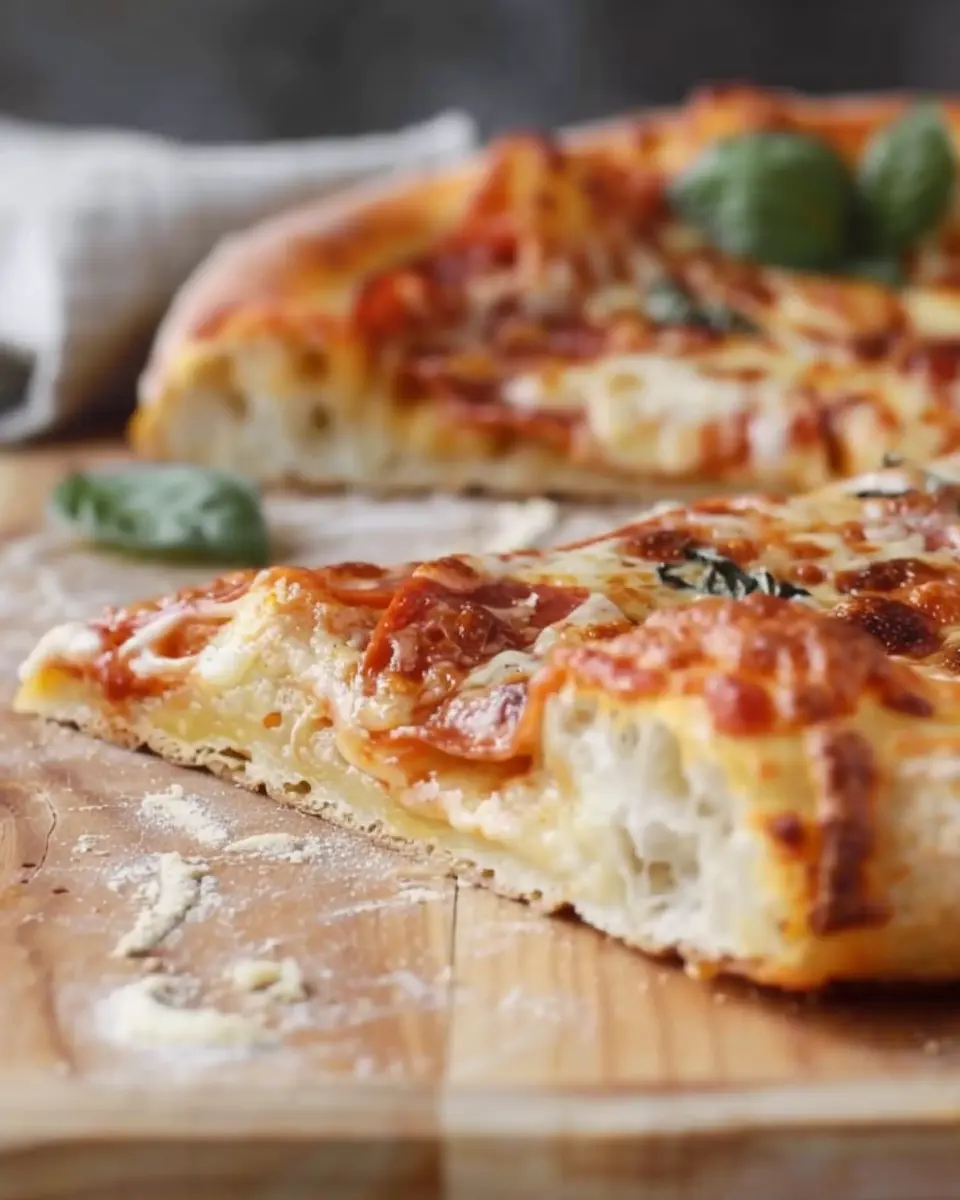
When it comes to perfecting your pizza game, artisan pizza dough is a true game changer. Imagine biting into a crust that’s crispy on the outside, yet chewy and bubbly on the inside. This isn’t just any pizza; it’s a culinary experience that can turn your average movie night into a gourmet affair!
Why Artisan Pizza Dough is a Game Changer
Creating artisan pizza dough at home allows you to control the quality of ingredients and customize flavors to suit your palate. Traditional pizza recipes often require a bit of time and patience, but trust me, the end result is worth it. Did you know that the art of pizza-making dates back to ancient civilizations? Explore more about its fascinating history from sources like Smithsonian Magazine.
Here’s what makes artisan pizza dough special:
- Quality Ingredients: Using high-quality flour, water, salt, and yeast elevates your dough significantly. Opting for organic or specialty flours can enhance flavor and texture.
- Fermentation: Allowing the dough to ferment longer not only develops a deeper flavor but also contributes to that delightful chew. Some artisan methods call for a cold fermentation process that can stretch for up to 48 hours.
- Hands-On Craftsmanship: Making your dough provides a unique creative outlet. It’s about getting your hands messy, feeling the dough’s texture, and personalizing the recipe with herbs, spices, or even infused oils.
Now, you might be wondering, “Isn’t making dough complicated?” While it may seem daunting at first, with a little practice, you’ll find that the process is incredibly rewarding. Plus, nothing beats the smell of fresh, homemade pizza wafting through your kitchen.
Perfect for Any Occasion
Whether you’re hosting a gathering, having a cozy night in, or just craving a delicious meal, artisan pizza dough can adapt to fit your needs perfectly. Looking for inspiration? Check out some creative topping ideas or pairing suggestions on sites like Serious Eats.
In the coming sections, we’ll dive into the step-by-step recipe and techniques that will help you create that perfect crispy, chewy crust. Get ready to impress your friends and family! Making artisan pizza dough at home isn’t just about the food; it’s about creating memories.
Ingredients for Artisan Pizza Dough
Essential ingredients you need for perfect dough
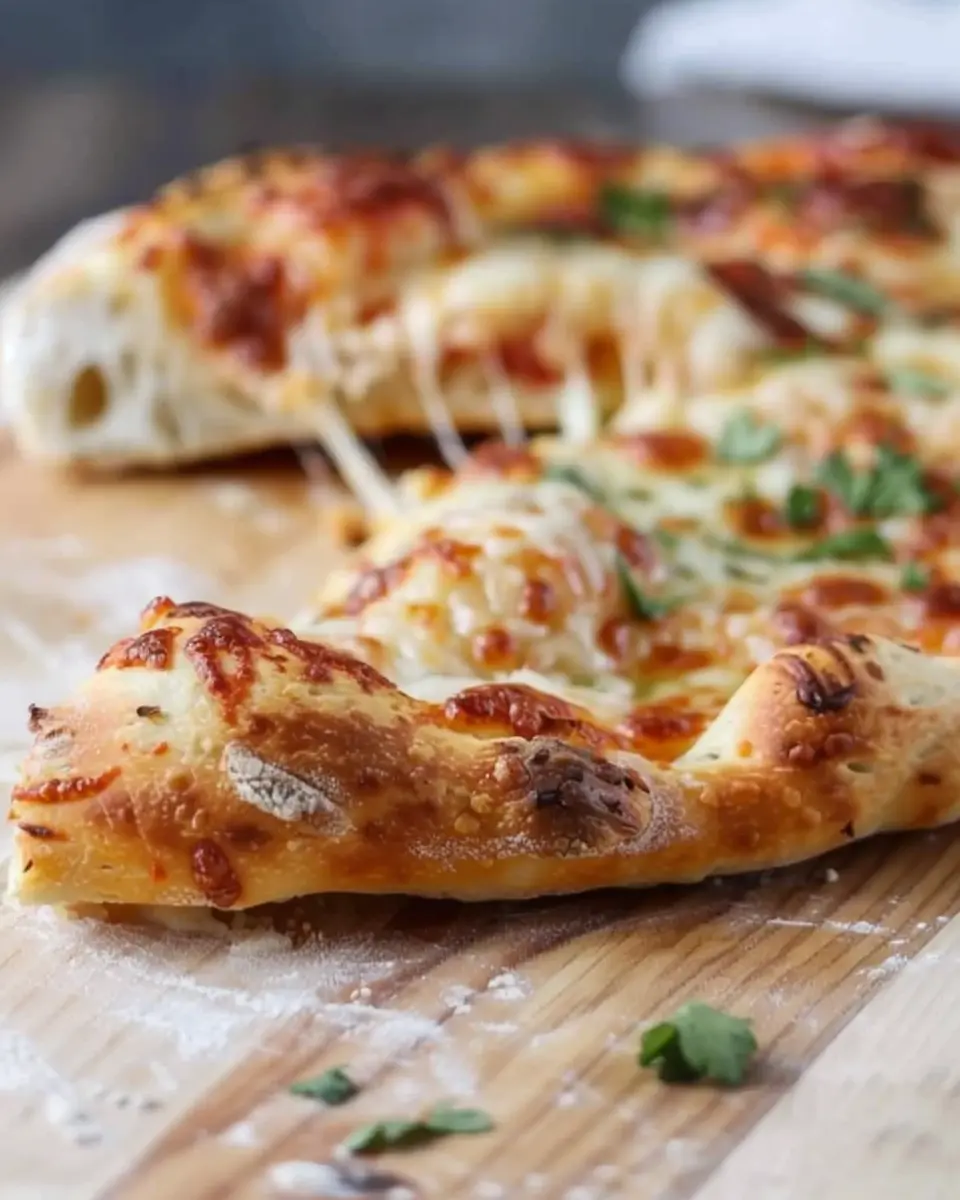
Creating a truly delectable artisan pizza dough is all about using the right ingredients. Let’s break down the essentials that will help you achieve that crispy, chewy, and bubbly crust you crave.
-
High-Protein Flour: Opt for bread flour or Tipo “00” flour. These flours contain more protein, giving your crust that delightful chew we all love.
-
Water: Use room temperature filtered water. A hydration level around 60-65% is ideal for making a dough that’s easy to work with and yields a beautiful rise.
-
Yeast: Active dry or instant yeast works well. It’s vital for fermentation, helping to develop flavor and texture in your dough.
-
Salt: Don’t skimp on salt; it enhances flavors and strengthens the dough structure. A good sea salt is often recommended.
-
Olive Oil: Adding a splash of high-quality extra virgin olive oil not only enriches flavor but also contributes to that crispy outer crust.
As you gather these ingredients, consider the simplicity of the process. Baking can be wonderfully therapeutic! Plus, for any tips and deeper insights, websites like Serious Eats or King Arthur Baking can be great resources to explore.
Preparing Artisan Pizza Dough
Creating a perfect artisan pizza dough from scratch is an art form, and it’s all about the process. Let’s break down the steps to achieve that crispy, chewy, bubbly crust you dream of. Trust me; once you master this technique, takeout will become a distant memory!
Mix the Dry Ingredients
To kick things off, you’ll need to gather your dry ingredients. This includes:
- 4 cups of all-purpose flour (or bread flour for more chew)
- 1 tablespoon of salt
- 1 teaspoon of sugar
- 1 packet of instant yeast (about 2 ¼ teaspoons)
In a large mixing bowl, whisk together the flour, salt, sugar, and instant yeast until well combined. This step is crucial as it allows for even distribution of the ingredients, ensuring that the artisan pizza dough has consistent flavor and fermentation.
It’s a simple step, but don’t underestimate it! Using high-quality flour can make a big difference. Consider checking out resources like the King Arthur Baking Company for tips on selecting the right flour.
Activate the Yeast
Next, let’s wake up that yeast! In a separate bowl, combine:
- 1 ½ cups of warm water (not too hot, ideally around 110°F)
- 1 tablespoon of olive oil
You can mix the warm water and olive oil together. For a little pizazz, add a pinch of sugar to help activate your yeast. Sprinkle the yeast on top and let it sit for about five minutes until it becomes frothy. This frothy appearance signals that your yeast is alive and ready to work its magic in your artisan pizza dough.
Combine and Rest the Dough
Here comes the fun part—combining your wet and dry ingredients. Pour the yeast mixture into the bowl with the dry ingredients, stirring with a wooden spoon or your hands until the dough comes together. You’ll want to mix until there are no dry patches left.
Once combined, cover the bowl with plastic wrap or a clean kitchen towel. Let the dough rest at room temperature for about an hour. This step is essential as it allows the dough to relax, making it easier to handle. As you wait, consider the toppings you’d like to prepare. Maybe some turkey bacon and fresh veggies?
Develop Gluten Through Folding
After the initial rest, it’s time to build the gluten structure crucial for that chewy texture. Lightly flour your work surface and turn out your dough. Flatten it gently and fold it over itself like a letter, then give it a quarter turn and repeat. Do this about four to five times.
Let the dough rest for another 20 minutes. This technique is vital—developing gluten contributes to the final texture of your pizza crust. Experts recommend checking out The Kitchn for detailed folding techniques. It can make a world of difference!
Shape and Rise the Dough
Now, it’s time to shape your dough into a ball. Use your hands to tuck the edges inward, creating a smooth top. Place the ball seam-side down in a bowl coated with olive oil. Cover it again and let it rise in a warm area for about 1 to 2 hours, or until it doubles in size.
If you have time, consider refrigerating the dough overnight. This slow fermentation enhances flavor and texture dramatically. Once the dough has risen, you’re ready to stretch it into that perfect artisan pizza crust!
As you prepare your dough, imagine the delightful pizza creations awaiting you. Whether it’s a classic margherita or a loaded pie with chicken ham and fresh produce, the possibilities are endless. Now, you have everything you need to embark on this delicious journey!
Variations on Artisan Pizza Dough
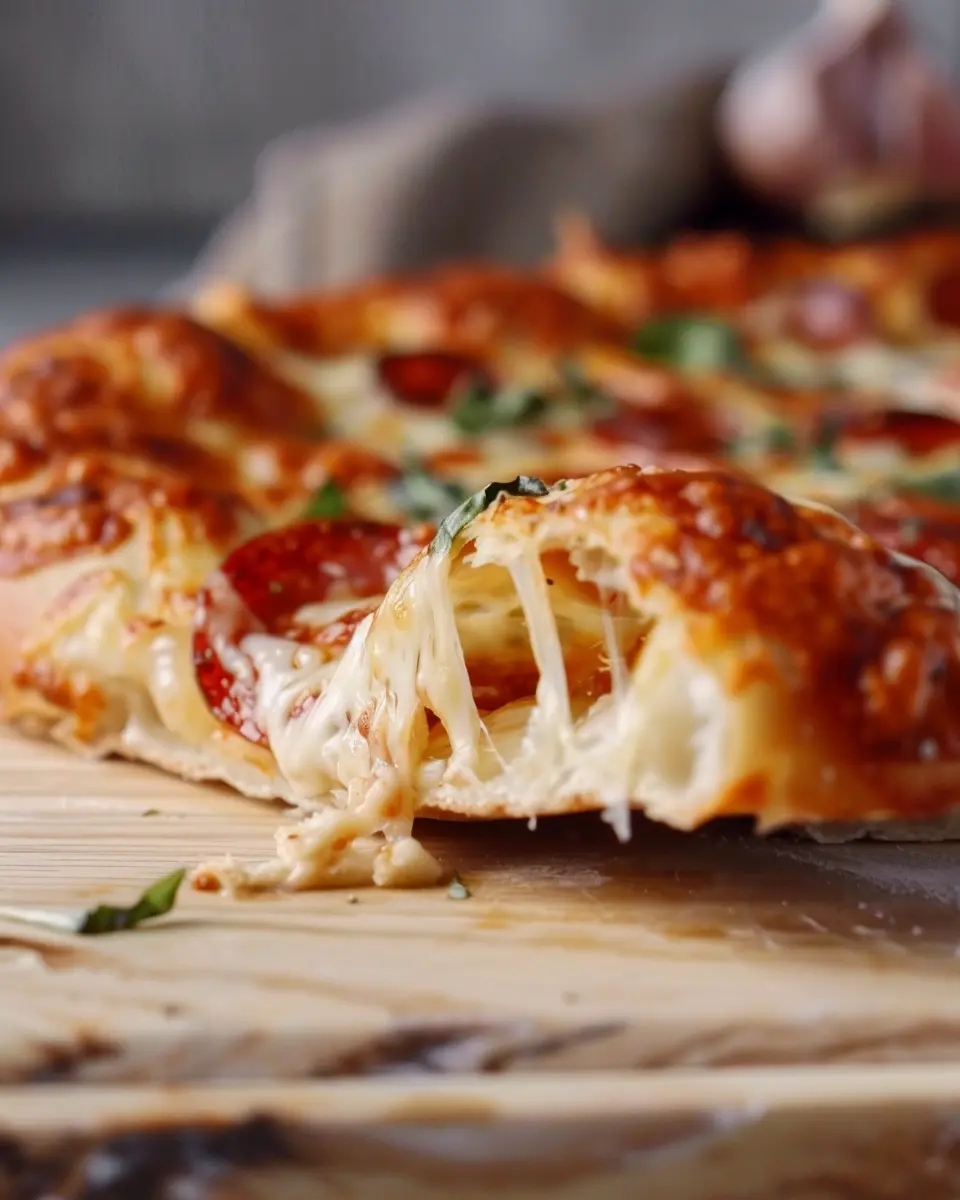
When it comes to artisan pizza dough, the beauty lies in its versatility. Whether you’re looking to cater to specific dietary needs or simply want to mix things up, there’s a variation that suits everyone. Here’s a closer look at some delightful alternatives.
Whole Wheat Artisan Pizza Dough
For those aiming for a healthier twist, consider whole wheat artisan pizza dough. This variation not only adds a nutty flavor to your crust but also packs in more fiber and essential nutrients.
- Ingredients: Substitute half or all of the all-purpose flour with whole wheat flour.
- Texture: You may notice a slightly denser texture, which can be balanced with a bit of extra water if needed.
- Tip: Allow your dough to rise longer to improve its elasticity and overall flavor.
You can explore recipes on King Arthur Baking for inspiration!
Gluten-Free Artisan Pizza Dough
If you or your guests are on a gluten-free diet, fear not! Crafting a delicious gluten-free artisan pizza dough is easier than you think.
- Ingredients: Use a blend of gluten-free flours, such as almond flour, tapioca flour, and brown rice flour.
- Important Note: Make sure to add a binding agent like xanthan gum or psyllium husk to help your crust hold together.
- Baking Tip: Pre-bake your crust for 5 to 10 minutes before adding toppings to achieve that crispy finish.
For inspiration, check out Minimalist Baker’s gluten-free pizza dough recipe for a delicious alternative.
No matter which variation you choose, these doughs provide a fantastic foundation for your favorite toppings. Happy baking!
Cooking Tips and Notes for Artisan Pizza Dough
Common Pitfalls and How to Avoid Them
Making artisan pizza dough seems straightforward, but there are a few common pitfalls to watch for.
-
Overworking the Dough: Kneading is essential, but too much can lead to a dense crust. Aim for a smooth texture without obsessing over the dough.
-
Incorrect Water Temperature: Water that’s too hot can kill your yeast. Use lukewarm water, ideally around 100°F (38°C) for the best results.
-
Ignoring Hydration Levels: Artisan dough is typically wetter, which leads to that delightful chewy texture and bubbles. Don’t be afraid to adjust the flour slightly if the dough feels overly sticky.
-
Insufficient Resting Time: Allow your dough to rise adequately. A slow fermentation, ideally in the fridge overnight, enhances flavor and texture—don’t rush this step!
-
Baking Temperature: Always preheat your oven as high as possible. A hot oven is crucial for achieving that crispy crust.
These tips will set you on the right path. Don’t hesitate to check out this expert guide for more insights!
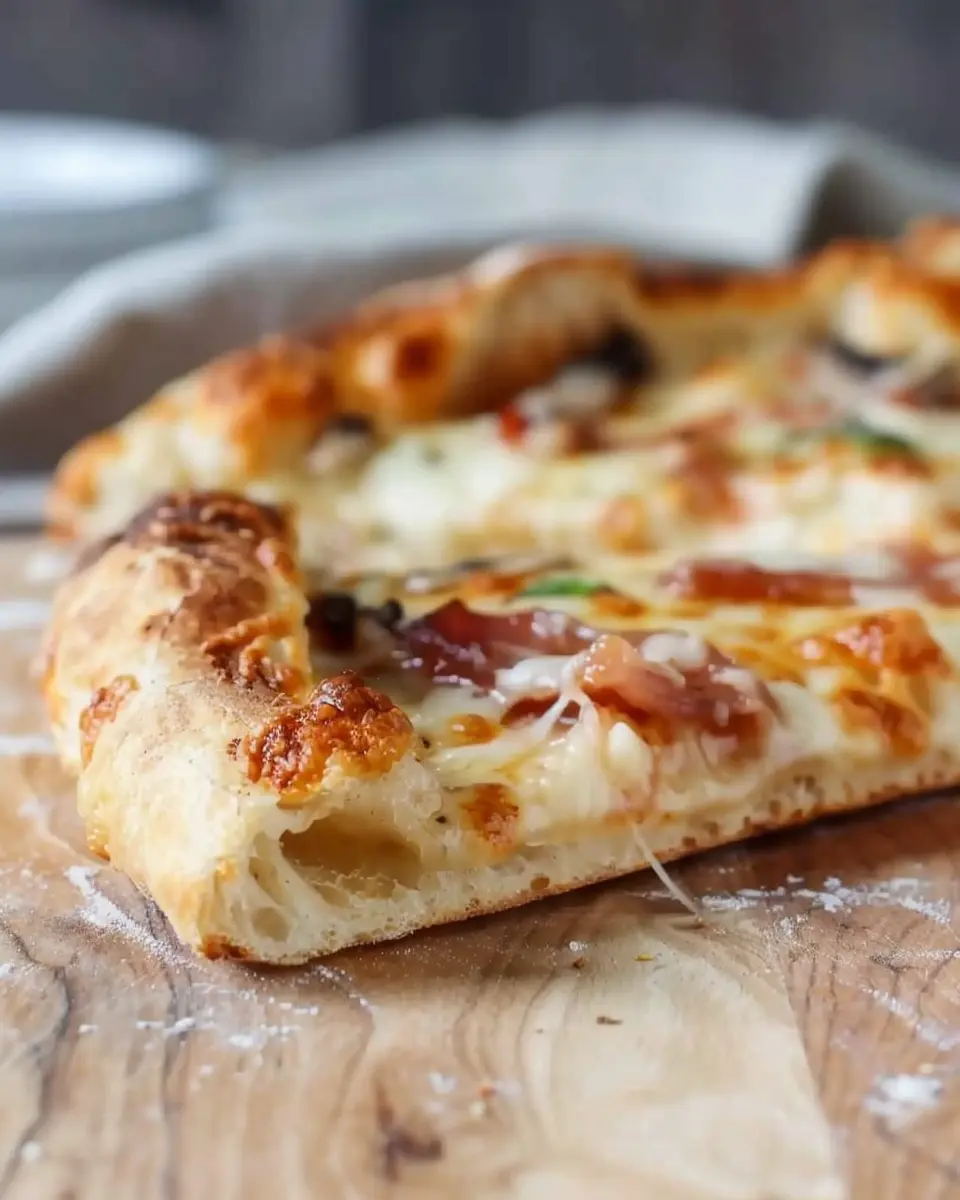
Serving suggestions for Artisan Pizza Dough
Creating a pizza with your artisan pizza dough isn’t just about the base; it’s all about the toppings and pairings that elevate your pie to a gourmet experience. Here are some creative ideas to inspire your next pizza night!
Creative toppings and pairings
-
Sauce Essentials: Start with a simple marinara or a white garlic sauce to lay the foundation. For a twist, try a spicy arrabbiata or even a sweet fig puree.
-
Cheese My Way: While mozzarella is a classic, experiment with combinations! Goat cheese and feta add zing, while a blend of aged cheddar and gouda introduces a rich depth.
-
Meat Selections: Swap out traditional options with Turkey Bacon for a smoky flavor, or go for slices of Chicken Ham for a lighter touch. For more depth, consider a mix with thinly sliced beef.
-
Vegetable Varieties: Load up your pizza with fresh spinach, artichokes, or roasted red peppers for added texture and flavor. You could even top it with arugula after baking for a peppery kick!
-
Herbs and Drizzles: Finish with a sprinkle of fresh basil or oregano, and a light drizzle of balsamic glaze or olive oil to enhance those flavors.
Considering these options, you can create a unique masterpiece with each pizza! Get more inspiration from resources like Serious Eats or Food52, which offer tips on flavor pairings and innovative topping ideas.
Remember, your artisan pizza dough is a blank canvas—let your culinary imagination run wild!
Time details for Artisan Pizza Dough
Preparation time
Creating artisan pizza dough is straightforward and doesn’t take long—just about 15 to 20 minutes to prepare your ingredients and mix them together. The key here is to enjoy the process; feel free to toss in some fresh herbs or spices to personalize your dough!
Rising time
The magic happens during rising, where your dough transforms into a beautiful, airy base. Allow it to rise for at least 1 to 2 hours at room temperature. For an even more flavorful crust, consider refrigerating the dough for 24 hours (or up to 72 hours). This slow fermentation not only enhances the taste but also the texture.
Baking time
When you’re ready to bake your artisan pizza dough, preheat your oven to its highest setting (ideally around 475°F). The baking process will take about 10 to 15 minutes, depending on your oven and the thickness of your crust. Keep an eye on the pizza; you’re looking for that perfect, golden-brown finish.
For more details on the science of dough, check out articles from Serious Eats or King Arthur Baking. Happy baking!
Nutritional Information for Artisan Pizza Dough
Calories per serving
When making your homemade artisan pizza dough, knowing its calorie content can help you enjoy it guilt-free! A typical serving of this delicious dough (about 1/6 of a pizza) contains around 200 calories. This allows you to savor each bite while tailoring your toppings for a balanced meal.
Nutritional breakdown
Understanding the nutritional breakdown of your artisan pizza dough is essential for making informed choices. Here’s a quick overview:
-
Carbohydrates: 40g
The main energy source, perfect for fueling your day. -
Protein: 6g
Helps with muscle repair and growth, especially if you’re active. -
Fat: 2g
Minimal fat keeps it lighter, but you can always add healthy toppings! -
Fiber: 1g
Supports digestion and adds a feeling of fullness.
For even more insights, check out resources like USDA Nutrition for deeper dives into food data.
This artisan pizza dough serves as a versatile canvas for your favorite toppings, so feel free to experiment with lean proteins like turkey bacon or fresh veggies to enhance both flavor and nutrition!
FAQs about Artisan Pizza Dough
What’s the secret to a crispy pizza crust?
Achieving that delightful crispy pizza crust is simpler than you might think! The secret lies in a few key techniques:
- High-heat baking: Preheat your oven to the highest setting. A hotter oven leads to a more pronounced crust.
- Use a pizza stone: If you have one, it helps retain heat and distributes it evenly, promoting that crispy bite.
- Hydration levels: A dough with higher hydration (more water) often results in a more airy and crispy crust. Aim for a dough hydration level around 65-70%.
These small adjustments can make a big difference in your final pizza product.
Can I make the dough ahead of time?
Absolutely! Making your artisan pizza dough ahead of time can enhance its flavor. Just follow these steps:
- Refrigerate: After mixing, let the dough rise and then store it in the fridge. The cooler temperature slows fermentation, allowing for richer flavors.
- Freeze for long-term storage: If you’re planning to make the dough weeks ahead, freeze it after the first rise. Just be sure to wrap it well to avoid freezer burn.
When you’re ready to use it, let it thaw in the fridge overnight or at room temperature for about 2 hours.
What type of flour is best for pizza dough?
Using the right flour is crucial for that chewy, bubbly crust. Here are some popular options:
- 00 Flour: This finely ground flour creates an excellent texture and is commonly used in traditional Italian pizza making.
- Bread Flour: With its higher protein content, bread flour leads to a chewy crust that many pizza lovers adore.
- All-Purpose Flour: If you have that on hand, it works fine, although the crust may not be as chewy.
Try experimenting with a blend of flours for unique textures! For more detailed tips on flour selection, check out Serious Eats.
Conclusion on Artisan Pizza Dough
In summary, mastering artisan pizza dough opens up a world of culinary creativity. With just a few simple ingredients—flour, water, salt, and yeast—you can create a delectable, crispy, and chewy crust that rivals the best pizzerias. It’s not just about following a recipe; it’s about enjoying the process of kneading, resting, and baking.
So why not grab your apron and start experimenting? Each batch will bring you one step closer to pizza perfection. Pair your creations with fresh toppings and perhaps a refreshing soda or homemade lemonade to elevate your meal. Embrace this culinary adventure, and watch your pizza game soar! For more tips, check out Serious Eats for a deeper dive into the world of artisan pizzas.
PrintArtisan Pizza Dough: The Best Recipe for Crispy, Chewy Crust

Craft your own artisan pizza dough for a delectable, crispy, chewy, and bubbly crust.
- Prep Time: 20 minutes
- Cook Time: 15 minutes
- Total Time: 2 hours 35 minutes
- Yield: 2 pizza crusts 1x
- Category: Pizza
- Method: Baking
- Cuisine: Italian
- Diet: Vegetarian
Ingredients
- 4 cups all-purpose flour
- 1 ½ cups warm water
- 2 teaspoons salt
- 1 teaspoon sugar
- 1 packet yeast
- 2 tablespoons olive oil
Instructions
- In a bowl, combine warm water, yeast, and sugar. Let it sit for 5-10 minutes until bubbly.
- In a separate bowl, mix flour and salt.
- Combine the water mixture with the flour mixture and add olive oil.
- Knead the dough for about 10 minutes until smooth.
- Let the dough rise in a warm place for 1-2 hours until doubled in size.
- Preheat the oven to 475°F (245°C).
- Shape the dough on a floured surface, then transfer to a pizza stone or baking sheet.
- Add your favorite toppings and bake for 12-15 minutes.
Notes
- For extra flavor, let the dough ferment in the refrigerator overnight.
- Use a pizza stone for best results.
Nutrition
- Serving Size: 1 slice
- Calories: 250
- Sugar: 1g
- Sodium: 300mg
- Fat: 6g
- Saturated Fat: 1g
- Unsaturated Fat: 4g
- Trans Fat: 0g
- Carbohydrates: 42g
- Fiber: 2g
- Protein: 7g
- Cholesterol: 0mg
Keywords: artisan pizza dough, crispy crust, chewy crust, bubbly crust