





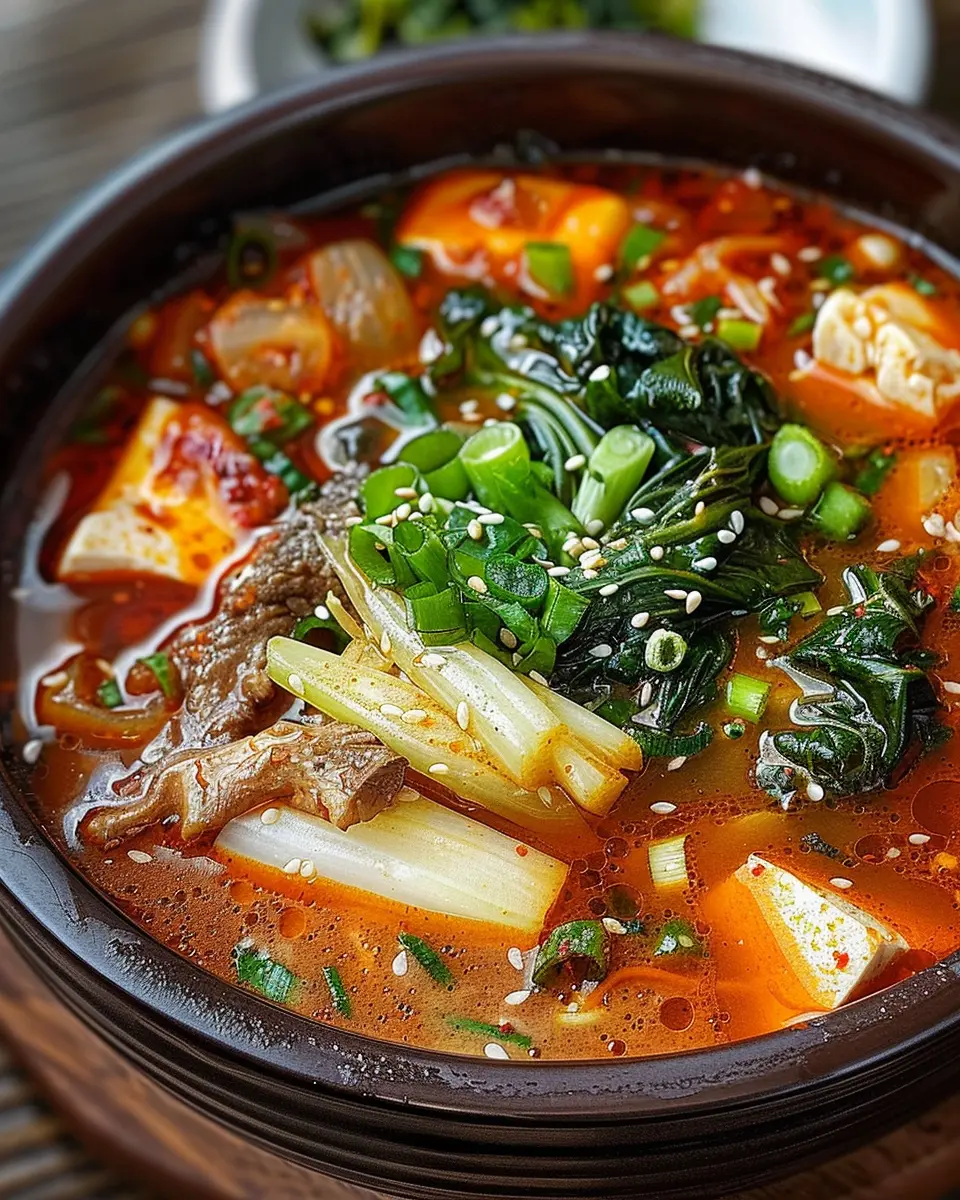
Introduction to Korean Winter Soup
As the chill of winter settles in, there’s nothing quite like curling up with a warm bowl of Korean Winter Soup. These hearty soups, bursting with flavor and nutritious ingredients, are perfect for warming both the body and soul during those brisk, cold days. But what is it about Korean Winter Soup that makes it the ultimate comfort food?
Why Korean Winter Soup is the ultimate comfort food?
First and foremost, the heartiness of Korean winter soups is unmatched. Typically made with an array of vegetables, proteins like Turkey Bacon or Chicken Ham, and soothing broths, these soups not only fill you up but also provide an experience that evokes nostalgia. Perhaps you remember a chilly evening when a loved one would whip up a steaming pot of soup, filling the home with savory aromas. That sense of warmth and care is at the core of every bowl of Korean Winter Soup.
Moreover, Korean cuisine often emphasizes the use of fresh produce and spices. Ingredients like garlic, scallions, and ginger not only add depth of flavor but are also known for their health benefits. In fact, garlic is renowned for its immune-boosting properties, making Korean Winter Soup an excellent choice when you’re fighting off winter colds. According to the World Health Organization, diets rich in fruits and vegetables can drastically improve your overall health, particularly during colder months.
But it’s not just the taste and health aspects that make Korean Winter Soup stand out. The preparation process can become a cherished bonding experience. Preparing and sharing a meal has a way of bringing people together, especially when it involves a little kitchen experimentation. So, grab your friends or family, and invite them into your kitchen for a cooking session that could lead to some unforgettable memories.
If you want to explore more about Korean cuisine and its flavors, there are great resources available like The Korean Food Foundation that offer insights into traditional cooking methods and ingredients.
In summary, Korean Winter Soup is more than just a meal; it’s a source of comfort, connection, and nourishment that makes those cold winter days a bit brighter. So, why not dive into this delightful dish and enjoy the warm, fulfilling flavors that await?
Ingredients for Korean Winter Soup
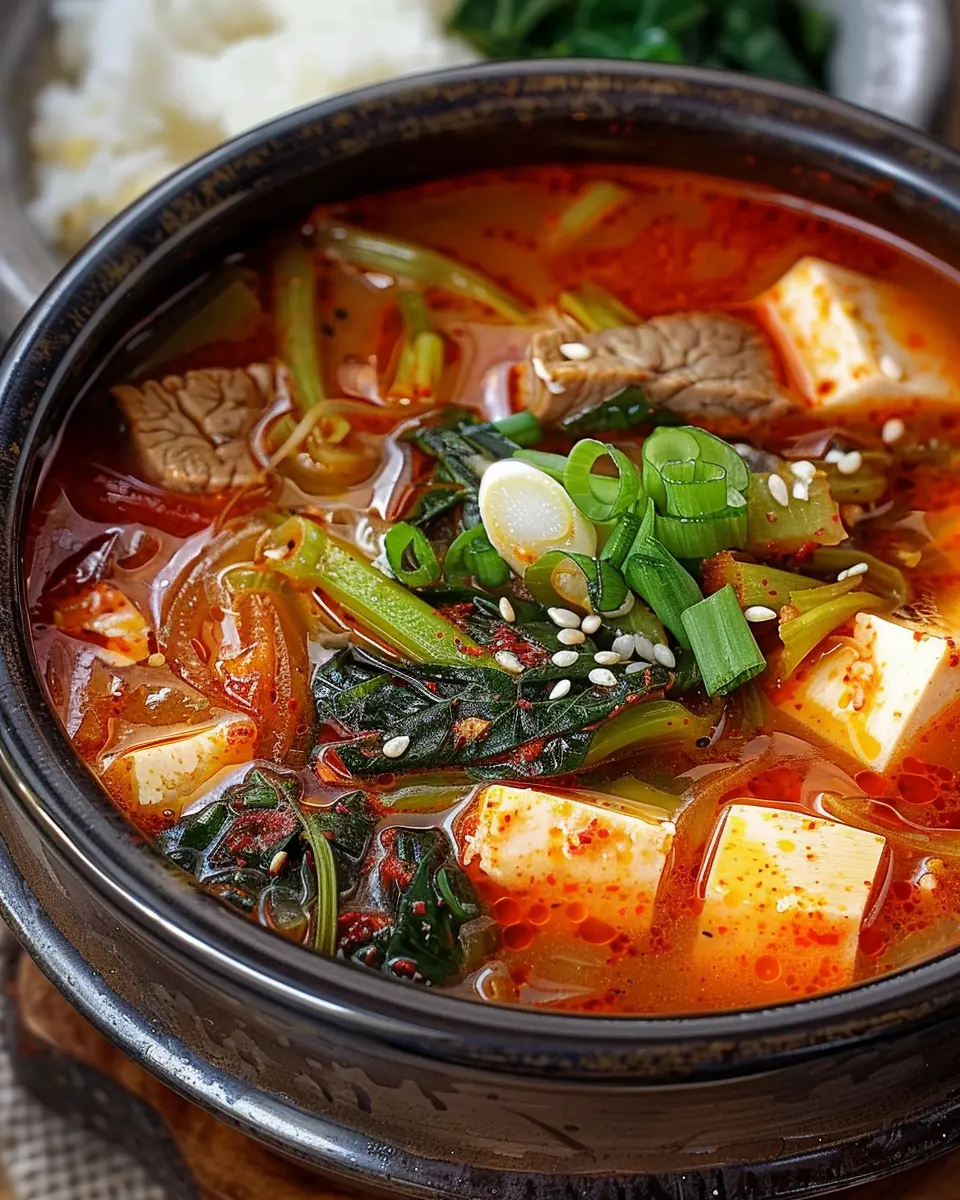
When it comes to crafting a hearty Korean Winter Soup, the key is in the vibrant, wholesome ingredients that not only warm you up but also pack a punch of flavor. Here’s what you’ll need to create your cozy masterpiece:
- Turkey Bacon: Swap out traditional bacon for turkey bacon for a leaner option that keeps the soup rich and savory.
- Chicken Ham: This alternative adds a delightful touch of protein without overpowering the other flavors in the broth.
- Beef: A classic choice for depth, cubed beef brings that heartiness essential for a chilly day.
- Tofu: For a creamy, protein-packed addition, don’t forget the tofu; it gives the soup a wonderful texture.
- Vegetables: Fresh greens like bok choy, radish, and carrots add essential nutrients and a vibrant color to the mix.
- Garlic and Ginger: These aromatics are the soul of any Korean Winter Soup, infusing warmth and health benefits with each bite.
- Broth: Choose a rich beef or vegetable broth for a full-bodied base.
Feeling inspired to whip up your own bowl? Each of these ingredients contributes not just flavor, but also the comfort we crave in the winter months. You might want to consider some quick side dishes—like kimchi or steamed rice—to round out your meal perfectly! If you’d like to explore more about these unique ingredients, check out resources like the Korean Food Foundation, where you’ll find even more tips to enhance your cooking.
Preparing Korean Winter Soup
When the chill of winter settles in, there’s nothing more comforting than a steaming bowl of Korean Winter Soup. This hearty dish warms the soul and fills the stomach with a delicious blend of aromas and flavors. Follow these five easy steps to create your perfect bowl of comfort.
Gather Your Ingredients
Before diving into the cooking process, it’s essential to assemble all your ingredients. Here’s what you will need:
- Beef brisket (about 1 lb, sliced thinly)
- Turkey bacon (2-3 strips, diced)
- Chicken ham (1 cup, cubed)
- Firm tofu (1 block, diced)
- Carrots (2 medium, sliced)
- Zucchini (1 medium, sliced)
- Mushrooms (shiitake or button, 1 cup, sliced)
- Green onions (4-5, chopped)
- Garlic (4 cloves, minced)
- Ginger (1 tablespoon, grated)
- Soy sauce (1/4 cup)
- Sesame oil (2 tablespoons)
- Water (6-8 cups)
- Salt & pepper (to taste)
Remember, the quality of your ingredients will significantly impact the final taste of your Korean Winter Soup, so opt for fresh and vibrant vegetables.
Cook the Beef Brisket
Start by heating a large pot over medium heat. Add the diced turkey bacon and allow it to crisp up for a few minutes, adding a savory depth to the soup. Once crispy, add the thinly sliced beef brisket, stirring well to ensure it sears nicely.
Cook the beef for about 5-7 minutes, allowing it to gain a good color and rich flavor. This browning step is crucial, as it will enhance the overall taste of your soup. If you’re interested in the health benefits of beef, check out this overview from the USDA.
Add the Flavor Base
Now that your beef brisket is cooked to perfection, it’s time to add the aromatics. Toss in the minced garlic and grated ginger, stirring for about 30 seconds until fragrant. This step will fill your kitchen with an enticing aroma that lures everyone to the table.
Next, mix in the soy sauce and sesame oil. These ingredients create a savory flavor base that forms the heart of your Korean Winter Soup.
Incorporate the Vegetables and Tofu
With your flavors established, it’s time to bring in the veggies. Add the sliced carrots, zucchini, and mushrooms to the pot. Follow this by pouring in about 6-8 cups of water, depending on how hearty you want your soup to be. Let it come to a gentle boil.
Once boiling, add the diced tofu. Tofu is a fantastic source of protein and adds a lovely texture to the dish. Allow the soup to simmer for 15-20 minutes, letting the flavors meld and deepen.
Finish with Green Onions and Seasoning
As a final touch, throw in the green onions towards the end of cooking. Not only do they contribute a burst of color, but they also add freshness to each bite.
Just before serving, taste your soup and adjust the seasoning with salt and pepper to achieve your desired flavor. Once you’re satisfied, ladle your Korean Winter Soup into bowls and enjoy the warmth and comfort it offers!
Preparing this soup is not just about the meal; it’s about the experience of sharing it with friends and family. So, gather around the table, enjoy a cozy evening, and relish the rich flavors that truly embody winter’s spirit.
If you’re eager to explore more Korean dishes, visit sites like Korean Bapsang for insightful recipes and tips!
Variations on Korean Winter Soup
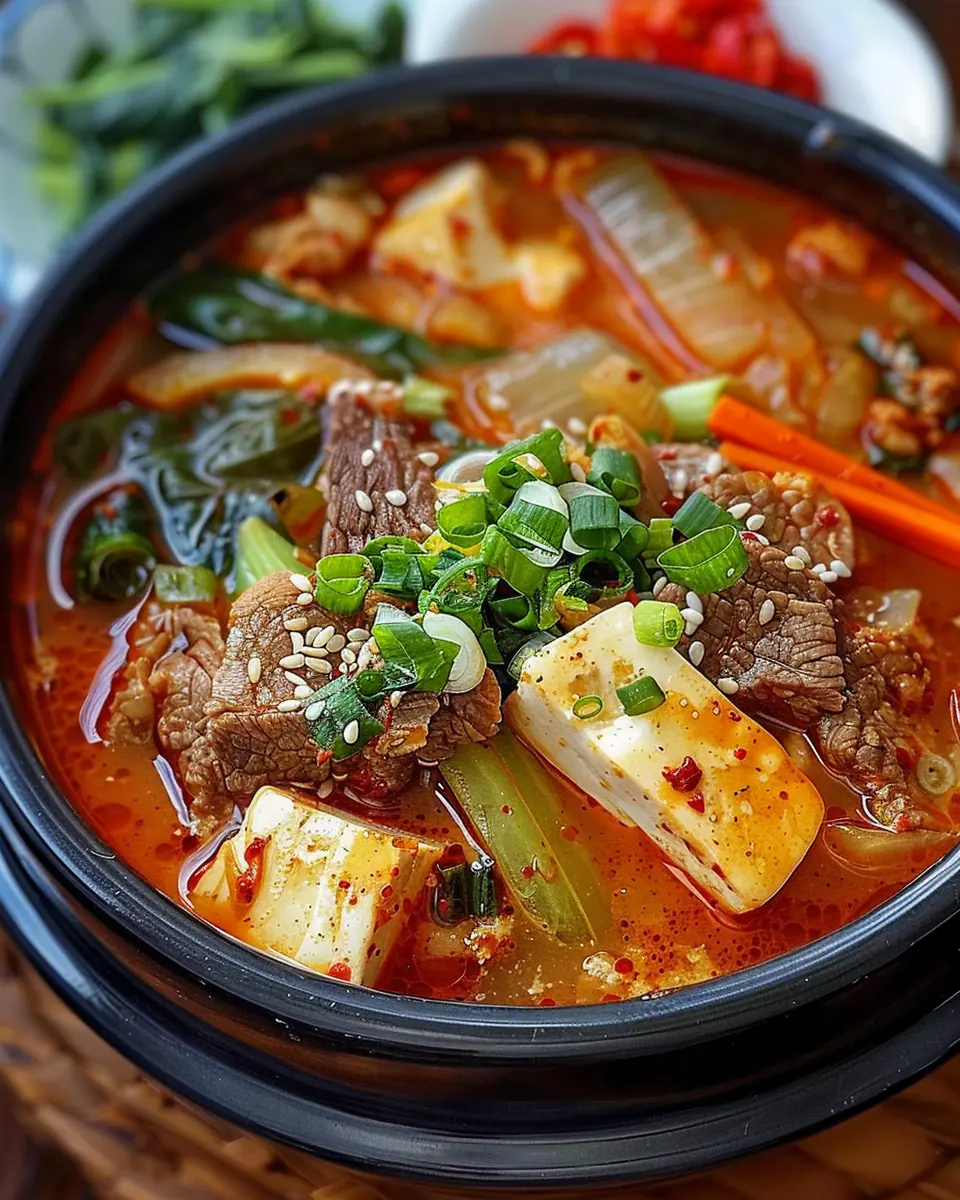
Exploring Korean Winter Soup gives you countless opportunities to tailor the dish to your taste and dietary needs. By incorporating different ingredients and adjusting flavors, you can create something uniquely yours. Let’s dive into a couple of variations you can easily try at home!
Adding Mushrooms or Zucchini for Extra Nutrition
Mushrooms aren’t just a delicious addition; they pack a nutritional punch. Varieties like shiitake or oyster mushrooms provide a rich umami flavor that complements the broth perfectly. They’re also great for boosting immunity—perfect during the cold winter months. If you’re looking for something lighter, diced zucchini adds a refreshing touch and enhances the overall texture. Plus, they’re an excellent source of vitamins and minerals.
For a more satisfying meal, consider these combinations:
- Mushroom mix: Use a blend of shiitake, cremini, and button mushrooms for depth.
- Zucchini and tofu: Pair zucchinis with soft tofu for added protein.
Spice it Up: Adjusting Heat Levels
If you’re a fan of heat, don’t shy away from adding spices to your Korean Winter Soup. Gochugaru (Korean red pepper flakes) is a great way to introduce heat and sweetness, balancing the flavors beautifully. Start with a teaspoon, taste, and adjust as needed.
For those who prefer a milder soup, you can simply skip the spicy elements or replace them with flavorful alternatives like ginger or black pepper. Remember, your Korean Winter Soup should reflect what you love!
Incorporating personal touches makes every bowl special. Share your variations in the comments—what unique ingredients have you tried? For more insights on mushrooms, check out Healthline. Enjoy crafting your winter warmth!
Cooking Tips and Notes for Korean Winter Soup
Skimming Off Impurities for a Clear Broth
One of the secrets to a delicious Korean Winter Soup is a clear, flavorful broth. As your ingredients simmer, keep an eye out for any impurities rising to the surface. Simply use a ladle or spoon to skim these off; it will enhance the soup’s visual appeal and overall taste. A clear broth allows the flavors of the Turkey Bacon, Chicken Ham, and vegetables to shine, creating a comforting dish that is as pleasing to the eye as it is to the palate.
Storing Leftovers Properly
We all love leftovers, especially when it comes to Korean Winter Soup. To keep your soup fresh, allow it to cool completely before transferring it to airtight containers. Be sure to store it in the fridge if you plan to eat it within a few days, or consider freezing portions for later enjoyment. When reheating, add a splash of broth or water to rehydrate the ingredients and restore that cozy, warm essence. This ensures that your meal remains hearty and satisfying, even days after it’s made.
For more tips on broth-making, check out Serious Eats, a great resource for culinary techniques!
Serving Suggestions for Korean Winter Soup
Pairing with Rice and Side Dishes
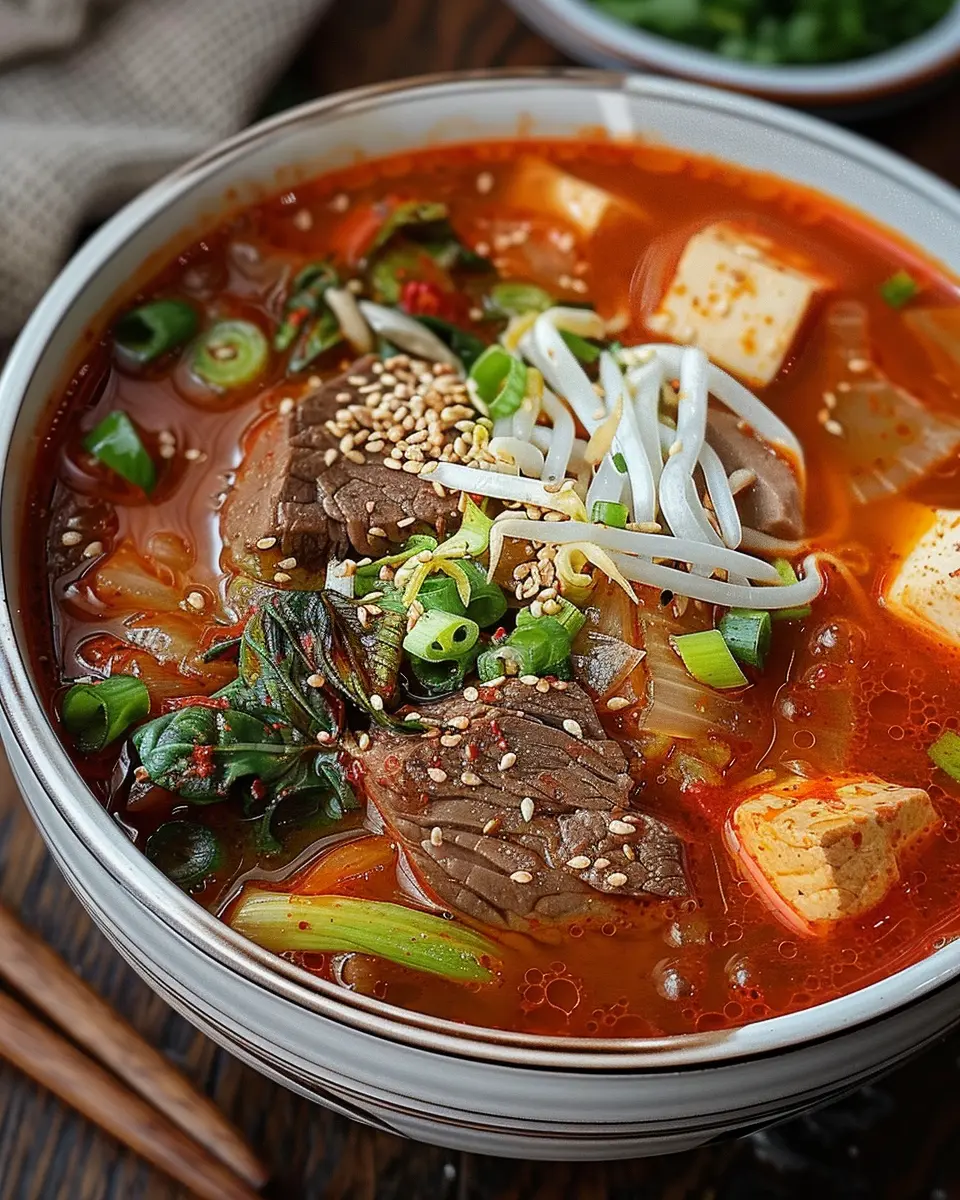
Enjoying Korean Winter Soup is all about enhancing those cozy flavors with the right accompaniments. Serving it alongside a bowl of warm, fluffy rice is a must; the rice soaks up the savory broth beautifully. You can also complement the meal with traditional Korean side dishes, or banchan, like kimchi, pickled radish, or stir-fried vegetables. These side dishes not only add variety but balance the rich flavors of the soup, making your meal more satisfying. For additional texture, consider serving it with crispy seaweed or crunchy pickles to elevate the experience.
Creative Serving Ideas
Want to impress at your next gathering? Consider serving Korean Winter Soup in individual stone bowls, known as ttukbaegi, to keep each serving piping hot. Garnishing with fresh scallions, sesame seeds, or even a drizzle of sesame oil can add a pop of flavor and visual appeal. You could also turn it into a fun communal meal by setting up a soup bar with various toppings, letting everyone customize their bowls.
By exploring these serving suggestions, you’ll elevate your Korean Winter Soup into a memorable experience for family and friends. Looking for more inspiration? Check out Korean cuisine articles.
Time breakdown for Korean Winter Soup
Preparation time
Getting ready for your Korean Winter Soup is smooth sailing! Usually, it takes about 15–20 minutes to chop your veggies and gather your ingredients. This step is crucial as it sets the stage for a flavorful dish. Use this time to enjoy some upbeat music or a podcast to keep the energy high!
Cooking time
The magic happens over the stove, and you can expect to spend about 30–40 minutes actually cooking. This includes simmering your soup until all those lovely flavors meld together beautifully.
Total time
When you wrap it all up, your total time for the Korean Winter Soup comes to around 50–60 minutes. That’s a small investment for a bowl of comfort that’ll warm both your heart and home on chilly days. Plus, leftovers make for a delightful lunch the next day! If you’re curious about different cooking methods or variations, check out this resource for inspiration. Happy cooking!
Nutritional Facts for Korean Winter Soup
Calories
Korean Winter Soup is not just a comforting dish; it’s also relatively low in calories, making it a great choice for health-conscious eaters. A typical serving contains around 200-300 calories, depending on the specific ingredients you use. This makes it an excellent meal option during the chillier months, allowing you to enjoy a hearty dish without excessive calorie intake.
Protein
One of the standout features of this Korean Winter Soup is its protein content. With ingredients like Turkey Bacon, Chicken Ham, and various veggies, you can easily pack in 15-20 grams of protein per serving. This protein boost not only helps keep you full longer but also supports muscle health—a win-win for active professionals!
Key Vitamins and Minerals
This flavorful soup is rich in essential vitamins and minerals, including:
- Vitamin A: Promotes good vision and boosts your immune system.
- Vitamin C: Helps with skin health and provides antioxidants.
- Iron: Essential for transporting oxygen in your blood.
- Potassium: Supports heart function and helps with muscle contractions.
By adding nutrient-dense ingredients like bok choy and mushrooms, you elevate the nutritional profile even further.
Interested in improving your overall health? Check out resources from Healthline or Mayo Clinic for tips on nutrition and wellness.
FAQs about Korean Winter Soup
What can I substitute if I can’t find gochujang or gochugaru?
If you’re in a pinch and can’t find gochujang (Korean chili paste) or gochugaru (Korean chili flakes) at your local grocery store, don’t worry! Here are some alternatives you can try:
- Hot pepper paste: This is a direct substitute for gochujang. Look for options containing similar ingredients, like miso or soy sauce.
- Chili powder: If you’re out of gochugaru, a mild chili powder can work, but add it in smaller amounts to adjust the heat to your liking.
- Sriracha: This can add a different flavor but still delivers that much-needed heat.
These alternatives will help maintain the soul and warmth of your Korean Winter Soup.
How do I know when the beef is tender?
Knowing when the beef is tender is essential for a delicious bowl of Korean Winter Soup. A good rule of thumb is to check that it can be easily pulled apart with a fork. Typically, this takes about 1.5 to 2 hours of simmering on low heat. You can also use a meat thermometer: beef is considered tender at internal temperatures around 145°F (for medium-rare) but feel free to cook it longer for that perfect melt-in-your-mouth texture.
Can I prepare this soup in advance?
Absolutely! One of the best things about Korean Winter Soup is that it tastes even better the next day as the flavors meld. You can prepare it in advance and store it in an airtight container in the fridge for up to three days. Just give it a gentle reheat on the stove or in the microwave, and you’ll be ready to enjoy that warmth all over again.
For more tips on storing soups, check out this food storage guide.
Conclusion on Korean Winter Soup
In wrapping up our discussion on Korean Winter Soup, it’s clear that this dish is a culinary hug that warms you from the inside out. Perfect for cold days, it’s versatile and allows you to play with flavors while using wholesome ingredients like turkey bacon, chicken ham, and beef.
Making your own broth enhances not only the flavor but also the health benefits, as homemade options are lower in sodium and free from preservatives. Consider trying this comforting recipe after a long day—it’s a delightful way to gather with friends or family, discuss your day, and enjoy the warmth of homemade cooking. For more inspiration on Korean cuisine, check out resources like Korean BBQ or Korean Culinary Techniques.
By embracing Korean Winter Soup, you’re not just creating a meal; you’re crafting memories. Enjoy diving into this delicious experience!
PrintKorean Winter Soup: Easy Comforting Recipe with Turkey Bacon and Chicken Ham
Enjoy the warmth and comfort of this Korean Winter Soup, packed with flavors from turkey bacon and chicken ham, perfect for chilly days.
- Prep Time: 15 minutes
- Cook Time: 25 minutes
- Total Time: 40 minutes
- Yield: 4 servings 1x
- Category: Soup
- Method: Stovetop
- Cuisine: Korean
- Diet: gluten-free
Ingredients
- 4 slices turkey bacon
- 1 cup chicken ham, diced
- 6 cups chicken broth
- 1 cup mushrooms, sliced
- 2 green onions, chopped
- 1 tablespoon soy sauce
- 2 teaspoons sesame oil
- 1 teaspoon garlic, minced
- 1 teaspoon ginger, minced
- 1 carrot, julienned
Instructions
- In a large pot, cook the turkey bacon over medium heat until crispy. Remove and set aside.
- Add chicken ham, chicken broth, and bring to a simmer.
- Add mushrooms, green onions, soy sauce, sesame oil, garlic, ginger, and carrot. Cook for 10 minutes until vegetables are tender.
- Chop the turkey bacon and stir back into the pot.
- Serve hot, garnished with additional green onions if desired.
Notes
- This soup can be made ahead and stored in the refrigerator for up to 3 days.
- Feel free to add other vegetables like bok choy or spinach for added nutrition.
Nutrition
- Serving Size: 1 bowl
- Calories: 250
- Sugar: 2g
- Sodium: 800mg
- Fat: 10g
- Saturated Fat: 3g
- Unsaturated Fat: 5g
- Trans Fat: 0g
- Carbohydrates: 30g
- Fiber: 3g
- Protein: 20g
- Cholesterol: 60mg
Keywords: Korean Winter Soup, Comfort Food, Turkey Bacon, Chicken Ham