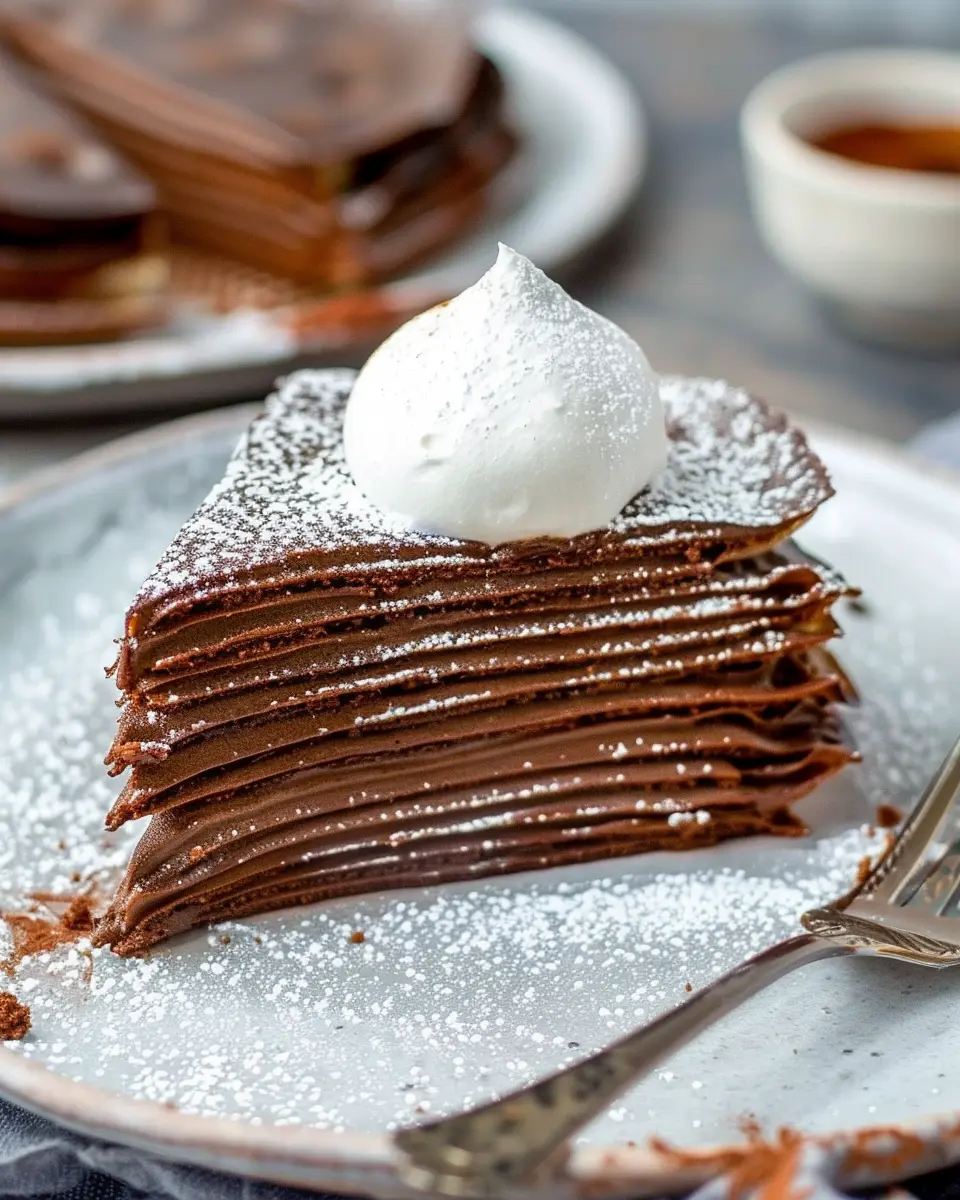







The Art of Making Croissant Bread
When it comes to baking, croissant bread is often celebrated as a true masterpiece. Why is that? Well, the allure of croissant bread lies in its delightful layers, buttery flavor, and the sheer elegance of its flaky crust. It’s not just bread; it’s a symbol of culinary artistry that requires patience and precision but rewards you with something heavenly.
Understanding the Technique
Crafting the perfect croissant bread starts with a fundamental technique known as laminating. This involves folding layers of dough with cold butter repeatedly to create those signature flaky layers. According to experts from the Institute of Culinary Education, mastering this process can elevate your baking skills tremendously. Plus, it’s quite the satisfying experience to see your hard work manifest into something so delicious.
Essential Ingredients
To make croissant bread, you’ll need:
- All-purpose flour
- Active dry yeast
- Salt
- Sugar
- Unsalted butter (for laminating and enriching the dough)
- Milk and water
Each ingredient plays a crucial role in achieving the desired taste and texture. For instance, using high-quality butter can significantly enhance the overall flavor of your croissant bread, ensuring that every bite is rich and delightful.
Tips for Success
- Chill Your Dough: Keeping everything cold, from the butter to the dough, is essential. This helps maintain that lovely flakiness during baking.
- Patience is Key: Allow your dough plenty of time to rise for optimal texture. It’s tempting to rush, but the results are worth the wait.
- Experiment with Fillings: Don’t just stop at classic croissant bread. Think about adding fillings like chocolate, almond paste, or even savory options like turkey bacon or chicken ham for a more unique twist.
Why Give It a Try?
So, why should you embark on the journey of making croissant bread? Beyond the fantastic taste, it’s a rewarding process that connects you to the rich tradition of baking. Plus, your friends and family will appreciate your culinary efforts and be eager to enjoy the fruits of your labor! For more intricate pastries and baking tips, consider checking out resources like the King Arthur Baking website and Serious Eats. They offer wonderful insights into perfecting your baking skills.
In the end, there’s something incredibly satisfying about pulling a golden-brown tray of croissant bread from the oven, knowing you crafted it from scratch. So why not give it a shot? Happy baking!

Ingredients for Croissant Bread
Essential ingredients
Making croissant bread at home might seem daunting, but with the right ingredients, you’ll be well on your way to flaky, buttery perfection! Here’s what you’ll need:
- All-purpose flour: 4 cups for the ideal texture.
- Unsalted butter: 1 and 1/2 cups, cubed and chilled to create those irresistible layers.
- Milk: 1 cup, warm – it helps activate the yeast.
- Yeast: 2 and 1/4 teaspoons (one packet) of active dry yeast to get that dough rising.
- Sugar: 1/4 cup to add a touch of sweetness.
- Salt: 1 teaspoon, for flavor balance.
- Eggs: 2 large, beaten for egg wash to achieve that golden crust.
Necessary kitchen tools
Before you dive into this delicious project, make sure you have these handy tools:
- Mixing bowls
- Rolling pin
- Baking sheet
- Parchment paper
- Plastic wrap
- Pastry brush
With these essentials at the ready, you’re just a few steps away from fresh croissant bread. Remember, the quality of your ingredients can make all the difference, so choose wisely! If you’re looking for some great ingredient sources, check out King Arthur Baking for top-notch supplies. Happy baking!
Step-by-Step Preparation for Croissant Bread
Making croissant bread at home might sound like a daunting task, but with the right guidance, it can be an incredibly rewarding experience. This delightful bread is crisp on the outside, soft on the inside, and perfect for breakfast or a special occasion. Let’s dive into the process step-by-step, ensuring you have everything you need to create this flaky wonder.
Mix the Ingredients
The journey to homemade croissant bread begins with gathering your ingredients. You’ll need:
- 4 cups all-purpose flour
- 1/4 cup granulated sugar
- 2 teaspoons salt
- 1 tablespoon instant yeast
- 1 1/2 cups whole milk, warm (around 110°F)
- 1/4 cup unsalted butter, melted (and some extra for greasing)
Start by mixing the dry ingredients together in a large bowl: flour, sugar, salt, and instant yeast. Making a well in the center, gradually add the warmed milk and melted butter. Use a spatula or your hands to bring the dough together. Remember, at this stage, it doesn’t have to be smooth—just combined!
It’s always best to use high-quality ingredients since they can significantly affect the flavor and texture of your croissant bread. If you’d like to learn more about choosing the right flour, check out this resource on baking essentials.
Knead the Dough
Once your ingredients are mixed, it’s time to knead the dough. Flour your work surface lightly and turn the dough out onto it. Knead for about 8-10 minutes until the dough is smooth and elastic. You want it to be slightly tacky but not sticky.
Kneading not only develops gluten, which provides that wonderful chewy structure, but it also engages your senses. The smell of freshly mixed dough can be incredibly exhilarating! After kneading, form your dough into a ball and place it in a greased bowl. Cover it with a towel or plastic wrap and let it rise in a warm place for about 1-2 hours until it doubles in size.
Prepare the Butter for Laminating
While the dough rises, it’s time to prepare your butter for lamination, which is a fancy term for incorporating layers of butter into the dough. For this step, you’ll need:
- 1 1/2 cups unsalted butter, cold
Place the butter between two sheets of parchment paper and use a rolling pin to pound it into a rectangle about 1/2 inch thick. Try to keep it even, as this will help with the lamination process later. The key here is that your butter must be cold so that it doesn’t melt into the dough, ruining that sought-after flaky texture.
Laminate the Dough
Once the butter is prepared and your dough has risen, it’s lamination time! Roll out your dough into a large rectangle, about twice the size of your butter layer. Place the cold butter in the center and fold the dough over the butter, sealing it well on the edges.
Here’s where the fun (and a bit of work) happens: roll the dough out again into a long rectangle, then fold it into thirds, like a letter. This creates those delicious layers. Repeat this rolling and folding process two more times, chilling the dough in between if necessary (about 30 minutes in the fridge) to keep it firm. Each time you fold, you’re creating more layers of flaky goodness in your croissant bread—and trust me, it’s worth the effort!
Shape the Loaf and Proof the Dough
Now it’s time to shape your croissant bread! Roll out your laminated dough to about 1/4-inch thick and cut it into long triangles. Starting from the wide end, roll the triangles towards the point, ensuring to tuck the ends underneath to create a nice shape. Place your shaped loaves on a baking tray lined with parchment paper, cover them with a kitchen towel, and allow them to proof for another 1-2 hours, until they have puffed up.
Preheat and Bake the Bread
Before you pop those beautiful loaves into the oven, preheat it to 375°F (190°C). Bake your croissant bread for about 20-25 minutes, or until they are golden brown and crisp on the outside. The aroma will fill your kitchen, making it almost unbearable to wait!
Once baked, allow them to cool on a wire rack. Serve warm with turkey bacon or chicken ham, or simply enjoy them plain. These flaky delights are a perfect addition to any brunch table and a delightful treat to share with friends.
So there you have it—your guide to creating mouthwatering croissant bread. Enjoy this baking adventure!

Variations on Croissant Bread
Croissant bread is such a versatile base that lends itself beautifully to a variety of sweet and savory twists. Whether you’re aiming for a breakfast treat or a unique lunch option, there’s a croissant bread variation just waiting to delight your taste buds.
Sweet Variations with Fillings
If you have a sweet tooth, consider stuffing your croissant bread with delightful fillings. Here are a few ideas:
- Chocolate Hazelnut Spread: Spread a generous layer inside before rolling for a rich treat.
- Fruit and Cream Cheese: Blend cream cheese with some powdered sugar and fill with berries for a tart contrast.
- Cinnamon Roll Style: Brush with butter, sprinkle brown sugar and cinnamon, then roll and slice. A simple drizzle of icing on top is a must!
These sweet variations can easily be enjoyed with a cup of coffee or tea. You might want to check out this detailed guide on flavor pairings for even more inspiration!
Savory Options for a Unique Twist
For those of you who favor savory flavors, try these delicious combinations with your croissant bread:
- Turkey Bacon and Cheese: Layer turkey bacon and your favorite cheese for a satisfying breakfast.
- Chicken Ham and Spinach: Create a protein-packed option by adding chicken ham and fresh spinach for a light lunch.
- Beef and Mushroom: Sautéed mushrooms with seasoned beef make for a hearty filling that’s perfect for dinner.
Gluten-Free and Vegan Adaptations
Don’t worry if you have dietary preferences; you can still enjoy delicious croissant bread. Here’s how:
- Gluten-Free: Use a gluten-free flour blend that’s suitable for yeast-based dough, allowing everyone to enjoy this treat.
- Vegan: Substitute butter with coconut oil and use a plant-based milk alternative for a scrumptious vegan version.
These adaptations ensure no one feels left out while savoring the delightful layers of croissant bread. Whichever variation you choose, it’s bound to be a crowd-pleaser, and you might just discover your new favorite recipe!
Cooking Tips and Notes for Croissant Bread
Common Mistakes and Their Solutions
Making croissant bread can be intimidating, but little things can make a big difference. One common mistake is not allowing the dough to rest enough during folding; this can lead to tough bread. Be sure to let your dough rest for at least 30 minutes between folds. Another frequent error is not keeping everything cold. Room-temperature butter can melt into the dough, ruining those perfect layers. Use a cool workspace and chilled ingredients for best results.
Key Baking Techniques to Master
To truly elevate your croissant bread, mastering a few baking techniques is essential.
- Laminating the Dough: This is the process of encasing butter in dough and rolling it out. It creates those beloved flaky layers.
- Temperature Control: Pay close attention to oven temperatures—bake at around 400°F for that golden, crispy crust.
- Egg Wash: Applying an egg wash before baking adds a beautiful sheen.
For more tips on mastering lamination, check out King Arthur Baking. Happy baking!

Serving Suggestions for Croissant Bread
Breakfast and Brunch Pairings
Start your day right with croissant bread that pairs beautifully with fresh ingredients. Try a slice topped with creamy avocado, a sprinkle of feta, and a dash of chili flakes for a nutritious kick. If you’re in the mood for something hearty, nestle some turkey bacon between warm slices for a protein boost. Want something sweet? Spread on some homemade berry jam or local honey for a delightful morning treat.
Savory Lunch and Dinner Uses
Looking for ways to incorporate croissant bread into your lunch or dinner? Consider using it as the base for a gourmet grilled cheese. Just melt your favorite cheese and add some chicken ham for an irresistible combination. Alternatively, use it as a unique sandwich bread with roasted vegetables and a drizzle of balsamic reduction for a refreshing meal.
Decadent Dessert Ideas with Croissant Bread
Who says croissant bread is only for meals? Transform it into indulgent desserts! Slice it up for a luxurious bread pudding topped with a vanilla custard sauce. You can also make French toast, dusting it with powdered sugar and serving it with fresh strawberries or bananas. For a quick treat, simply warm it up with a smear of Nutella or whipped cream for a delightful evening snack.
With these serving suggestions, you’ll discover the versatility of croissant bread at any time of day. Why not give them a try? You can find more ideas and recipes at Food Network or BBC Good Food for inspiration!
Time Breakdown for Croissant Bread
Preparation Time
When making your flaky croissant bread, set aside about 30 minutes for preparation. This time allows you to mix the ingredients, knead the dough, and fold in the layers of butter—a crucial step for achieving that delightful texture.
Baking Time
Once your dough is prepped and shaped, it’s time to bake! The croissant bread will need about 25-30 minutes in the oven. Keep an eye on it—you’ll want that golden-brown crust!
Total Time
In total, you’re looking at roughly 2 hours from start to finish, factoring in resting periods for the dough. While it may seem like a commitment, the delicious reward of fresh croissant bread is absolutely worth it. For more tips on perfecting your baking, check out sources like King Arthur Baking for expert advice!
Nutritional Facts for Croissant Bread
Calories and Macronutrients
Croissant bread is a delightful treat, but it’s important to know what you’re enjoying. A typical serving (about 1 ounce) contains approximately 100 calories. In terms of macronutrients, you’ll find around:
- Fat: 5–6 grams
- Carbohydrates: 11–12 grams
- Protein: 2–3 grams
These numbers can vary depending on specific recipes and any fillings you might choose to add, making croissant bread both enjoyable and surprisingly versatile. It’s a lovely breakfast option or snack when paired with fresh fruit or a side of turkey bacon.
Benefits and Concerns
While croissant bread is a delicious indulgence, moderation is key! On the positive side, its buttery goodness can bring joy to your mornings and can be a part of a balanced diet when consumed wisely. Just remember, the rich content means it should be enjoyed occasionally rather than daily.
That said, feel free to explore lighter alternatives by incorporating whole grain flours or adding nutritious toppings such as avocado or chicken ham. For those keen on maintaining a healthy lifestyle, check out resources like the American Heart Association for tips on enjoying your favorites without compromising your health goals.
By being mindful of both the pleasure and nutritional profile of croissant bread, you can enjoy it without guilt!
FAQs about Croissant Bread
What sets croissant bread apart from regular bread?
You may be wondering what makes croissant bread so special compared to your everyday loaf. The answer lies in its unique layers! Croissant bread is made with a technique called lamination, which involves folding butter into the dough multiple times. This process creates those flaky, buttery layers that you don’t find in regular bread. You can learn more about lamination techniques from Serious Eats.
Can croissant bread be made ahead of time?
Absolutely! Croissant bread can be made ahead of time, and you can enjoy convenience without sacrificing flavor. You can prepare the dough and let it rest in the fridge overnight. When you’re ready, simply roll it out, shape it, and let it rise before baking.
Is this recipe beginner-friendly?
If you’ve got a passion for baking, you’ll find this croissant bread recipe surprisingly approachable! While it does require some techniques, such as lamination, it’s all about patience and practice. Don’t be discouraged; every pro started as a beginner.
How long does croissant bread stay fresh?
Starting with fresh croissant bread is essential for the best experience. It’s best enjoyed on the same day it’s baked, but if stored correctly, it can last up to 2 days at room temperature. Keep it in an airtight container to maintain its flakiness.
Can I customize my croissant bread with fillings?
Definitely! This is one of the best parts of making croissant bread. You can get creative with fillings like chocolate, almond paste, or even savory options like turkey bacon and chicken ham. Just remember to balance your fillings so they complement rather than overwhelm those delicious, flaky layers!
Conclusion of Croissant Bread
The joy of homemade croissant bread
Crafting homemade croissant bread is an adventure that transforms simple ingredients into a flavorful delight. Each flaky layer tells a story of your effort and creativity, making it a true labor of love. Imagine the aroma filling your kitchen, the warmth of the fresh bread, and the satisfaction that comes with sharing it with friends.
Whether you indulge in a classic version or explore various fillings like turkey bacon or chicken ham, there’s something uniquely rewarding about enjoying a piece of your own baked masterpiece. Don’t forget to check out tops like Baker’s Journal for inspiration and tips!
The journey of making croissant bread invites you to savor not just the taste but also the process. Happy baking!
PrintCroissant Bread Delight: Easy Recipes for Your Next Brunch

Discover the delightful world of croissant bread with easy recipes perfect for your next brunch gathering.
- Prep Time: 20 minutes
- Cook Time: 20 minutes
- Total Time: 2 hours
- Yield: 12 croissants 1x
- Category: Baked Goods
- Method: Baking
- Cuisine: French
Ingredients
- 1 cup warm milk
- 1/2 cup sugar
- 1/2 cup butter
- 1 package active dry yeast
- 4 cups all-purpose flour
- 1 teaspoon salt
- 3 large eggs
Instructions
- In a bowl, combine warm milk and sugar, then sprinkle yeast on top and let it sit for 5 minutes.
- Melt the butter and stir it into the yeast mixture.
- Add flour and salt, mix until dough forms.
- Knead the dough for 10 minutes then let it rise until doubled.
- Roll out the dough into a rectangle, cut into triangles, and shape into croissants.
- Place on a baking sheet and let rise again. Preheat oven to 375°F.
- Bake for 15-20 minutes or until golden brown.
Notes
- Try adding chocolate or almond paste for a twist.
- Serve with fresh fruit and jam.
Nutrition
- Serving Size: 1 croissant
- Calories: 300
- Sugar: 10g
- Sodium: 150mg
- Fat: 15g
- Saturated Fat: 10g
- Unsaturated Fat: 5g
- Trans Fat: 0g
- Carbohydrates: 35g
- Fiber: 1g
- Protein: 5g
- Cholesterol: 70mg
Keywords: Croissant Bread, brunch, easy recipes