







Introduction to Minestrone Soup
The rich history of minestrone soup
Minestrone soup is more than just a comforting bowl of goodness; it’s a dish with a fascinating history that stretches back centuries. Originating in Italy, this hearty soup has evolved over time, influenced by regional ingredients and seasonal availability. Traditionally, it features a medley of vegetables, beans, and sometimes pasta or rice, embodying the essence of cucina povera—the cooking of the poor—which focuses on utilizing simple, affordable ingredients.
Interestingly, there isn’t a single “correct” recipe. In fact, minestrone soup can vary significantly from region to region, and even family to family. Some versions might include Turkey Bacon or Chicken Ham, as well as various beans and leafy greens. As it embraces culinary creativity, minestrone remains a beloved staple not just in Italian kitchens, but worldwide. You can even explore the nuances of this dish by checking out authoritative culinary sources, like Fine Cooking to add context to your understanding.
Why homemade is better than fast food
In today’s fast-paced world, takeout and frozen meals are more tempting than ever. However, when it comes to minestrone soup, there’s simply no competition. Here’s why making it at home is worth the extra effort:
-
Nutrition: Homemade minestrone is packed with fresh vegetables, which means you’re getting a wealth of vitamins, minerals, and fiber. Unlike store-bought options that can be loaded with sodium and preservatives, your homemade version is as wholesome as it gets.
-
Flavor: Using fresh herbs and spices elevates the taste of your soup dramatically. Have you ever experienced the full flavor of basil or oregano in a pre-packaged meal? It’s just not the same. Your kitchen can be a fragrant haven with the aromas of simmering vegetables and broth.
-
Customization: One of the best parts of making your own minestrone is that you can customize it exactly to your likes and dietary needs. Want to add more greens or swap out chicken for turkey? Go for it! This flexibility means your minestrone soup will not only be delicious but also uniquely yours.
By taking the time to prepare homemade minestrone soup, you’re not just enjoying a meal; you’re crafting an experience that warms your heart and nourishes your body. So grab your apron and let’s get cooking!
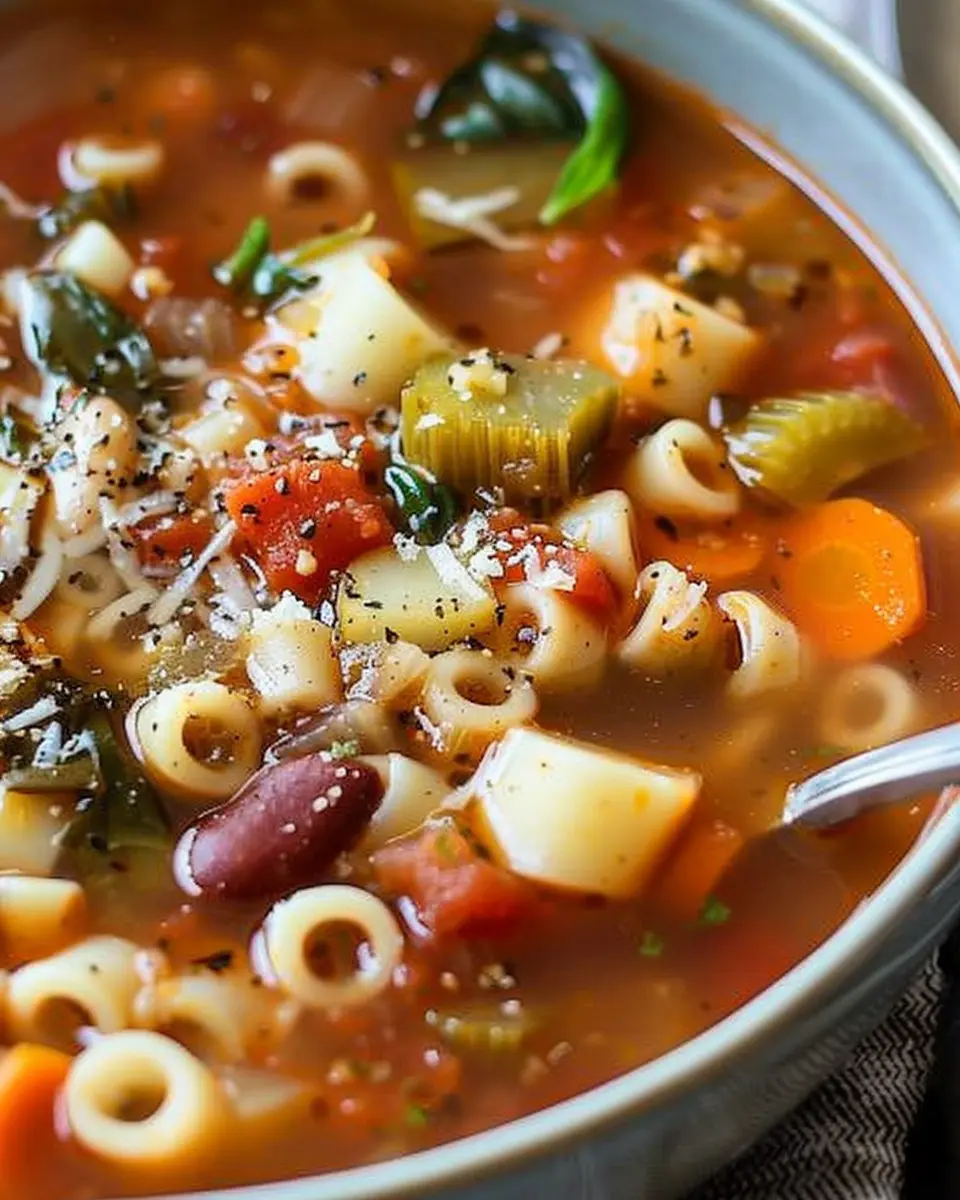
Ingredients for Minestrone Soup
Essential ingredients for a hearty minestrone
Creating a warming bowl of minestrone soup is all about using fresh, wholesome ingredients. Here’s what you’ll need for a truly comforting dish:
- Vegetables: Start with classic choices like carrots, celery, and bell peppers. Don’t forget about kidney beans and zucchini for heartiness!
- Broth: A flavorful vegetable broth serves as a base, enhancing the soup’s rich taste.
- Pasta: Small pasta shapes, like ditalini or elbow macaroni, add substantial texture.
- Herbs & Spices: Fresh basil, oregano, and thyme elevate the flavors, while a touch of black pepper adds a little kick.
- Turkey Bacon or Chicken Ham: For a protein boost, consider adding turkey bacon or chicken ham for a little smoky flavor.
For more variations, check out this insightful guide on Healthy Soup Ingredients.
Optional ingredients to customize your soup
Don’t hesitate to get creative! Personalize your minestrone soup with these optional ingredients:
- Leafy Greens: Spinach or kale can enhance the nutritional profile and add a peppery kick.
- Seasonal Veggies: Consider adding whatever’s in season to keep it fresh and exciting—think butternut squash or green beans.
- Legumes: Swap in black beans or lentils based on your preference and pantry availability.
- Peppers: A sprinkle of red pepper flakes can add desirable heat to your dish.
Feeling adventurous? Explore other minestrone variations in this comprehensive list of soup recipes.
With these essentials and optional ingredients, it’s easier than ever to whip up a delicious pot of minestrone soup tailored to your taste!
Preparing Minestrone Soup
Making a big pot of minestrone soup is like giving your kitchen a warm hug. This Italian classic is comforting, nutritious, and, best of all, super easy to prepare. By following a few simple steps, you’ll create a delicious, hearty meal that can nurture your body and soul. Let’s dive into how to make it!
Gather and prep the ingredients
Before you start cooking, it’s essential to gather everything you need. Here’s a handy list of typical ingredients for minestrone soup:
- Olive oil
- 1 onion, diced
- 2 carrots, chopped
- 2 zucchini, sliced
- 1 bell pepper, chopped
- 4 cups vegetable or chicken broth (for added depth)
- 1 can diced tomatoes
- 1 can white beans, pureed
- Salt and pepper to taste
- Your favorite herbs (basil, thyme, oregano)
- 2 cups fresh spinach or kale
- 1 cup pasta (small shapes like ditalini or elbow pasta)
- Turkey bacon or chicken ham, diced (optional for extra flavor)
Once you have all your ingredients ready, chop the vegetables and measure out everything you’ll need. Having the ingredients prepped will make the cooking process smoother and more enjoyable.
Sauté the vegetables
Heat about two tablespoons of olive oil in a large pot over medium heat. Once it’s shimmering, toss in the diced onion. Sauté for about five minutes until the onion becomes translucent. This step helps build a flavorful base for your minestrone soup.
Next, add the carrots, zucchini, and bell pepper. Stir occasionally for another 5 to 7 minutes. You want these veggies to soften a bit, but don’t worry if they still have a slight crunch! If you’re using turkey bacon or chicken ham, add it to this mix to render some flavor as well.
Want a great tip? If you really want to enhance the flavor, consider adding a pinch of red pepper flakes for that subtle warmth.
Combine broth, tomatoes, and pureed beans
Now it’s time to bring all those incredible flavors together. Pour in the vegetable or chicken broth and the can of diced tomatoes with their juices. Stir everything gently, and then add your pureed white beans. Not only do they add creaminess, but they also pack in some protein, making this minestrone soup more filling.
Add herbs and seasonings
After everything’s combined, it’s time to infuse your soup with some personality. Add a generous pinch of salt and pepper, along with your favorite herbs. A mix of fresh basil, oregano, and thyme works wonders here. If you have dried herbs on hand, they are equally effective—just remember that dried herbs are more potent than fresh, so use them sparingly! Experts suggest letting the soup simmer for a while to allow those herbs to deeply flavor your minestrone soup.
Simmer and add pasta and greens
Bring the pot to a gentle simmer and let it cook for about 20 minutes. This allows the flavors to now mingle and deepen into something wonderful.
Once the broth is flavorful, throw in your pasta and simmer for another 10 minutes or until the pasta is cooked al dente. Just before serving, add the fresh spinach or kale, allowing them to wilt right in the soup for added nutrients.
And there you have it—your own bowl of hearty minestrone soup! Serve it hot, perhaps with crusty bread on the side, and feel free to personalize each serving with a sprinkle of Parmesan cheese or a drizzle of olive oil.
For more great soup recipes, check out Serious Eats or Food Network for inspiration. Enjoy your cooking adventure!
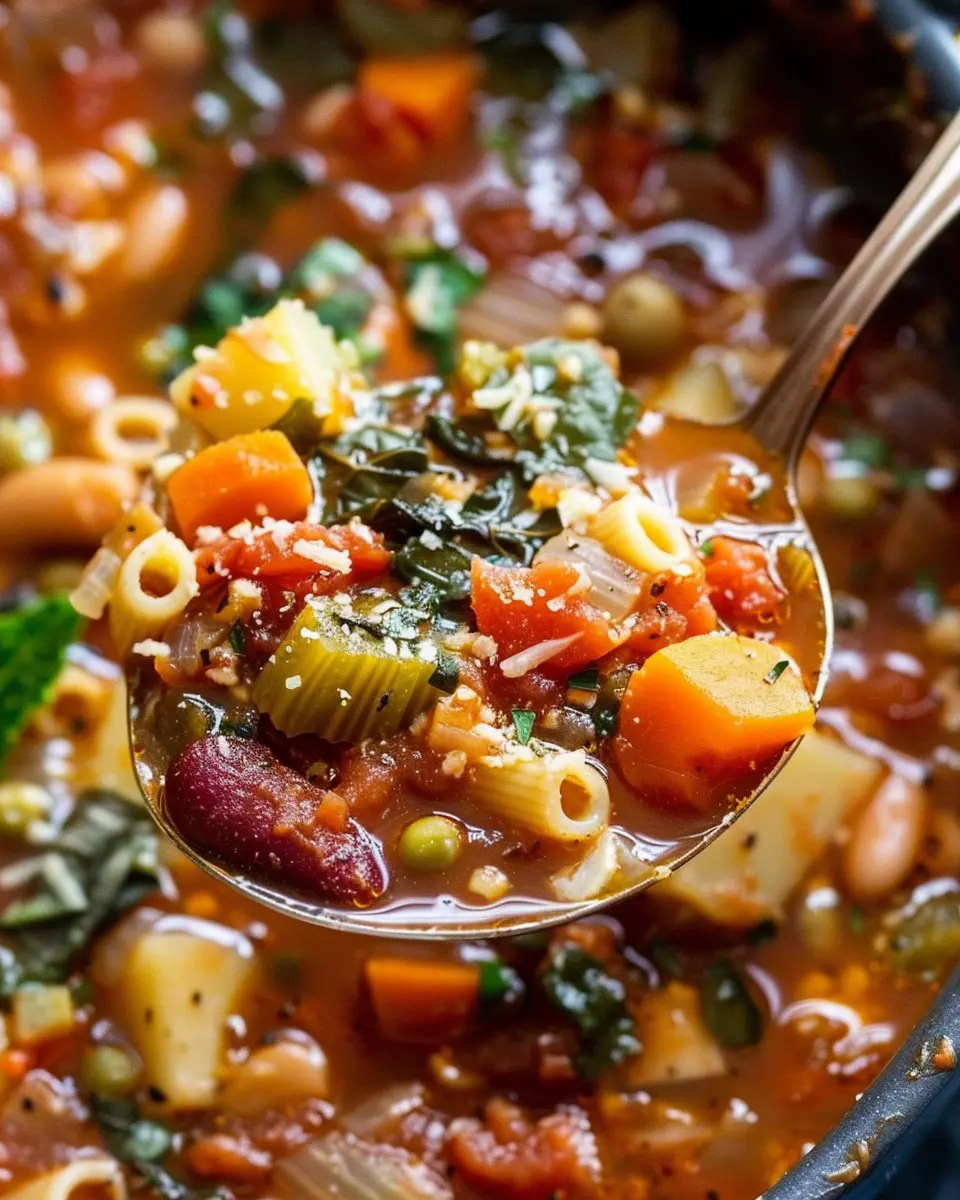
Variations of Minestrone Soup
Vegan Minestrone Options
When you’re looking to make a minestrone soup that’s completely plant-based, the possibilities are endless! Start with a rich vegetable broth, then pile in a rainbow of vegetables like spinach, kale, zucchini, and carrots. For protein, consider adding beans such as cannellini or chickpeas. These not only enhance the soup’s heartiness but also provide essential nutrients. If you’re craving a little extra flavor, toss in some nutritional yeast for a cheesy taste without any dairy!
What about noodles? Opt for whole-grain or gluten-free pasta to cater to various dietary preferences. You can cook them right in the soup or prepare them separately to maintain the perfect texture. Your vegan minestrone can be as hearty and flavorful as any traditional version, so don’t hesitate to experiment!
Seasonal Variations Based on Available Vegetables
One of the best things about minestrone soup is its flexibility with what’s in season. In spring, load up on asparagus and peas for a bright twist. Summer is perfect for ripe tomatoes, corn, and bell peppers — all adding a fresh touch that celebrates the season. As the leaves turn in autumn, consider hearty root vegetables like sweet potatoes and parsnips and finish with a sprinkle of fresh herbs for an aromatic boost.
In winter, cozy up with a blend of robust greens and winter squash; these additions not only enhance the flavor but also promote warming, comforting meals during the colder months. Each seasonal variation keeps your soup exciting and tailored to the freshest ingredients!
For more recipe inspiration, check out seasonal cooking guides on sites like Seasonal Food Guide or Eating Well. Enjoy your culinary adventures!
Cooking Tips and Notes for Minestrone Soup
Best Practices for Flavor Enhancement
To elevate your minestrone soup experience, think beyond just salt and pepper. Incorporating aromatic herbs like thyme and basil adds depth. You might even toss in a bay leaf during simmering for that subtle, savory kick. Freshly grated Parmesan cheese not only enhances flavor but can also add a delightful creaminess. Don’t hesitate to experiment with seasonal veggies; they can transform your soup’s profile each time you cook it. And here’s a friendly tip: consider using vegetable broth as your base for a richer flavor that appeals to all taste buds—check out quality brands at Food Network.
Tips for Storage and Reheating
When it comes to keeping your minestrone soup fresh, it’s best stored in an airtight container in the fridge for up to five days. For longer-term storage, freeze it in individual portions—perfect for those busy weeknights! When reheating, do it gently on the stove to maintain texture and flavor. You may need to add a splash of broth or water as the soup can thicken after freezing. Enjoy every warm, comforting bite, and don’t forget to share with friends!
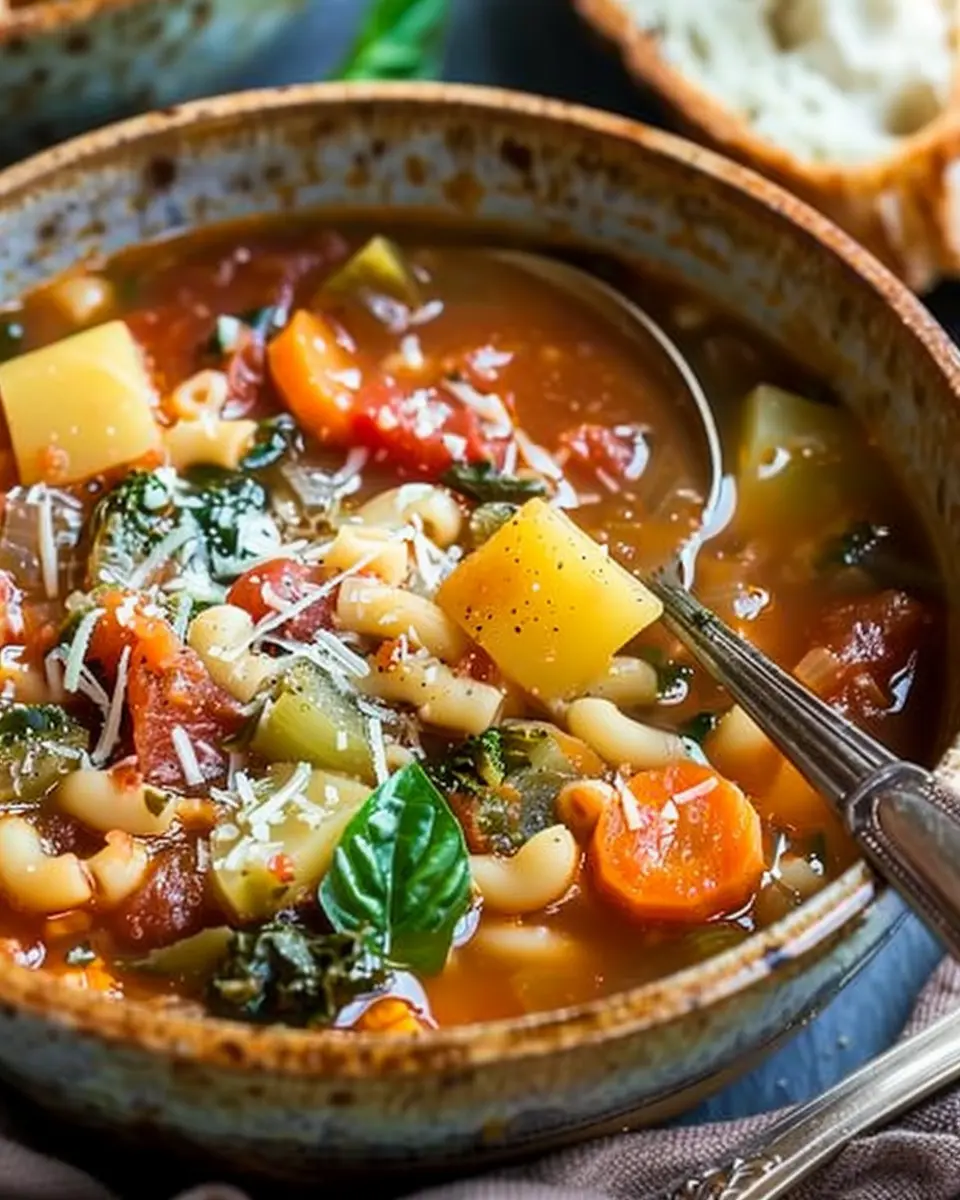
Serving Suggestions for Minestrone Soup
When it comes to enjoying a warm bowl of minestrone soup, the right accompaniments can elevate your dining experience. Crusty bread is an unbeatable partner; its texture complements the soup perfectly. Consider a fresh baguette or a slice of sourdough for dipping and soaking up every flavorful spoonful.
Presentation Tips to Impress
Making your minestrone soup visually enticing is easier than you think! Here are a few simple yet effective presentation tips:
- Use colorful bowls: Vibrant dishware can enhance the appeal of your soup’s colorful ingredients.
- Garnish with fresh herbs: A sprinkle of basil or parsley on top adds a pop of color and freshness.
- Add a swirl of olive oil: A drizzle of high-quality, herb-infused olive oil can make the dish look gourmet.
For extra inspiration on serving your homemade soup, check out this article on soup presentation techniques to impress your friends and family!
Time Breakdown for Minestrone Soup
Creating a warm and hearty minestrone soup doesn’t take as long as you might think! Here’s a quick breakdown of the time you’ll spend in the kitchen:
Preparation Time
You’ll need about 15-20 minutes to chop vegetables, measure ingredients, and get everything ready. It’s an enjoyable time to unwind and maybe put on your favorite playlist!
Cooking Time
Let the magic happen for approximately 30-40 minutes as your soup simmers. This is the perfect time to catch up on a show or finish up that book you’ve been meaning to read.
Total Time
In total, you’re looking at about 50-60 minutes. That’s not too much for a delicious, homemade minestrone soup that’ll nourish your soul!
For detailed steps and variations on ingredients, check out this helpful guide on soup recipes. It’s a trove of inspiration!
Nutritional Facts for Minestrone Soup
When it comes to minestrone soup, understanding its nutritional profile can elevate your dining experience, making it not just a meal, but a health-boosting delight.
Calories
A typical serving of homemade minestrone soup contains around 150-200 calories, depending on the ingredients used. This hearty dish is perfect for those seeking a low-calorie option that still feels satisfying.
Protein
Featuring a delightful medley of vegetables, beans, and proteins like turkey bacon or chicken ham, a single bowl of minestrone soup can provide about 10-15 grams of protein. This helps keep you full and nourished throughout the day.
Fiber and Other Key Nutrients
What makes minestrone soup particularly special is its fiber content. You can expect roughly 5-7 grams per serving, thanks to the beans and vegetables. Rich in vitamins A and C, potassium, and iron, this soup not only supports digestion but boosts your immune system too.
For more details on the benefits of various ingredients, the Harvard T.H. Chan School of Public Health offers great insights. So, why not whip up a batch tonight and enjoy not just the warmth of the soup but its nutritional goodness too?
FAQs about Minestrone Soup
Can I make minestrone soup ahead of time?
Absolutely! One of the best things about minestrone soup is that it actually gets better with time. Making it ahead allows the flavors to meld beautifully. You can cook it up to three days in advance and store it in the fridge. Just give it a good stir and perhaps a splash of broth when reheating to bring back that fresh taste.
What can I substitute for pasta in minestrone soup?
If you’d like to skip the pasta for dietary reasons or simply prefer a lighter option, there are several delicious alternatives:
- Quinoa: This gluten-free grain adds a lovely texture.
- Zucchini noodles: Known as zoodles, they soak up flavors wonderfully and are low-carb.
- Rice: Your choice of white or brown rice works well, just make sure to adjust the cooking time accordingly.
Feel free to experiment—minestrone soup is incredibly customizable!
How do I store leftover minestrone soup properly?
Storing your leftover minestrone soup is simple! Here’s how to do it:
- Cool down: Let the soup cool to room temperature before storing.
- Containers: Use air-tight containers for best results.
- Refrigerate: The soup can last up to 3-4 days in the fridge.
- Freezing: If you want to keep it longer, consider freezing portions for up to three months. Just make sure to leave some space in the container as the soup will expand when frozen.
For more tips on soup storage, you might check out sources like the USDA Food Safety website for best practices. Enjoy your delicious minestrone soup anytime!
Conclusion on Minestrone Soup
Recap of the benefits of homemade soup
Making homemade soup is not only a comforting ritual but also a health-conscious choice. By crafting your own minestrone soup, you can control the ingredients, ensuring it’s packed with fresh vegetables and wholesome flavors. Plus, it’s a fantastic way to use up leftover veggies or pantry staples, making it both economical and sustainable. Research shows that homemade meals often contain fewer preservatives and more nutrients, leading to a healthier diet overall.
Encouragement to try making minestrone at home
If you’ve been pondering whether to make minestrone soup at home, now is the perfect time! It’s simple, enjoyable, and the aroma filling your kitchen will have you dreaming of cozy evenings. Why not gather some friends for a soup-making soirée? Experiment with your favorite ingredients, and make it as hearty or light as you prefer. For more tips on making delicious soups, check out Cooking Light or Bon Appétit. So grab your apron and start your flavorful journey with minestrone soup today!
PrintMinestrone Soup: The Best Hearty Recipe with Turkey Bacon and Chicken Ham

A delicious and hearty minestrone soup featuring turkey bacon and chicken ham that warms your soul.
- Prep Time: 15 minutes
- Cook Time: 30 minutes
- Total Time: 45 minutes
- Yield: 4 servings 1x
- Category: Soup
- Method: Stovetop
- Cuisine: Italian
- Diet: Low Carb
Ingredients
- 4 cups chicken broth
- 1 cup chopped turkey bacon
- 1 cup diced chicken ham
- 2 cups mixed vegetables (carrots, celery, green beans)
- 1 can diced tomatoes (14.5 ounces)
- 1 cup small pasta (such as ditalini)
- 2 cloves garlic, minced
- 1 teaspoon dried oregano
- 1 teaspoon dried basil
- Salt and pepper to taste
Instructions
- In a large pot, cook the turkey bacon over medium heat until crispy.
- Add the chicken ham, garlic, and mixed vegetables, cooking until tender.
- Pour in the chicken broth and bring to a boil.
- Add the diced tomatoes, pasta, oregano, basil, salt, and pepper.
- Simmer for 10-15 minutes or until the pasta is al dente.
- Adjust seasoning if necessary and serve hot.
Notes
- For a vegetarian version, omit the meats and add more vegetables or beans.
- Feel free to use any vegetables you have on hand.
Nutrition
- Serving Size: 1 bowl
- Calories: 250
- Sugar: 3g
- Sodium: 800mg
- Fat: 10g
- Saturated Fat: 3g
- Unsaturated Fat: 6g
- Trans Fat: 0g
- Carbohydrates: 28g
- Fiber: 4g
- Protein: 15g
- Cholesterol: 30mg
Keywords: Minestrone Soup, Turkey Bacon, Chicken Ham, Hearty Soup